Although China can be called a "tea nation", experts said in interviews that there are still two misunderstandings about tea drinking.
First, the belief that more expensive tea is better.
"More and more high-priced teas are appearing, not only to satisfy people's taste needs but also as a status symbol," said Zhao Yingli, a famous Chinese tea scholar. "The price of tea is determined by quality and grade."
Quality mainly refers to the origin and tree species of the tea, "For example, everyone knows that West Lake Longjing is good."
Grade is mainly related to the picking time and picking parts. Buds, one-bud-one-leaf, and one-bud-two-leaves vary greatly in price. The same Longjing tea picked before Qingming Festival, known as pre-Qingming tea, is the most expensive."
Wang Qing, Vice President of the China Tea Circulation Association, believes: "Ordinary people don't need to buy high-end tea. They can choose according to their own economic ability and taste preferences." He suggests that choosing tea priced at 100–300 yuan per catty is more appropriate. "At this price, you can already buy very good quality tea. I suggest focusing on quality rather than grade when purchasing. Some high-grade teas are picked too early and too tender, but part of the tea's nutrition is actually in the stems. Some cheaper teas have better health benefits."
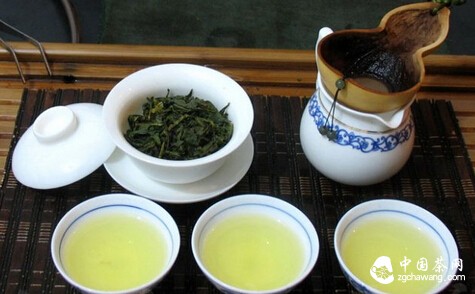
Second, only drinking tea without savoring it
There are two types of tea: one is the tea of "fuel, rice, oil, salt, sauce, vinegar, and tea", and the other is the tea of "music, chess, calligraphy, painting, poetry, and wine". The first type can meet people's needs for "nourishing the body", such as quenching thirst, refreshing, reducing internal heat, and aiding digestion. The second type can meet people's needs for "nourishing the mind", such as expressing emotions, practicing etiquette, and realizing truths.
Zhao Yingli, a famous Chinese tea scholar, said that the greatest value of tea for people is mainly nourishing the mind, supplemented by nourishing the body. "Especially for middle-aged people who are busy with work and under great pressure, they should give themselves some time to patiently brew and savor a pot of tea. When people are irritable, they are prone to making wrong decisions. At such times, it's better to slowly savor a pot of tea before making a decision."
Choose Tea According to Constitution and Season
Drink Tea According to Your Constitution
To maintain health through tea drinking, you must have some understanding of tea. Han Chi, a researcher at the Institute of Nutrition and Food Safety of the Chinese Center for Disease Control and Prevention, said: "Each type of tea has different properties, so you must choose tea that suits you. For example, everyone says green tea has good antioxidant effects, but people with a cold constitution will feel uncomfortable after drinking it." Jiang Heyuan, an associate researcher at the Tea Research Institute of the Chinese Academy of Agricultural Sciences, said: "Tea drinking also pays attention to climate and location. Many people drink the same type of tea all year round, which is also wrong. In winter, you can drink more warm-natured tea; in spring and summer, when it's easy to get internal heat, you can drink more green tea and flower tea."
Drink tea according to its type. Zhao Yingli explained that Chinese tea is divided into six categories: green tea, black tea, yellow tea, white tea, oolong tea, and dark tea. The six types of tea have different properties and effects on the human body. For example:
Green tea is cold in nature, suitable for people with a hot constitution, strong stomach fire, and abundant energy. Green tea has good anti-radiation effects and is very suitable for people who often work in front of computers.
White tea is cool in nature, suitable for similar groups as green tea, but "aged green tea is grass, while aged white tea is treasure." Aged white tea has the effect of dispelling pathogens and supporting the body's healthy energy.
Yellow tea is cold in nature, with effects roughly similar to green tea. The difference lies in the taste: green tea is refreshing, while yellow tea is mellow.
Oolong tea is neutral in nature, suitable for the widest range of people.
Black tea is warm in nature, suitable for people with cold stomachs, cold hands and feet, weak constitution, or older age. Adding milk or honey makes it taste better.
Dark tea (Pu'er tea) is warm in nature, can remove grease, detoxify meat, and lower blood lipids. After proper storage, its taste and efficacy are better.
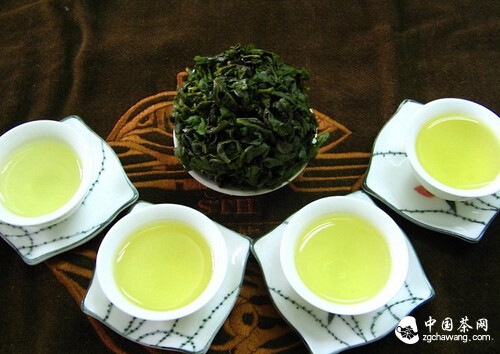
Drink tea according to the season
In spring, drink flower tea and Dan Cong.
Spring focuses on疏通 (smoothing) liver qi, and aromatic substances have the effect of opening the orifices, so you can drink more Phoenix Dan Cong and flower tea. However, fresh green tea in spring still has too much coldness, so it should not be drunk excessively, especially for people with a cold constitution.
In summer, enjoy green tea and Tieguanyin.
In summer, green tea is the first choice for relieving heat and quenching thirst. In addition, Tieguanyin and Taiwan high-mountain tea are good choices. People with good constitutions can also drink some raw Pu'er that has been stored for 3–5 years.
In autumn, oolong tea is ideal.
Autumn is suitable for drinking oolong tea. The nature and taste of oolong tea are between green tea and black tea, neither cold nor warm. It can both clear residual heat in the body and generate fluids and nourish yin. Autumn is the best time to drink spring Tieguanyin and last year's Wuyi Rock Tea.
In winter, drink black tea and ripe Pu'er.
Drinking black tea in winter can nourish yang qi and give people a warm feeling. Ripe Pu'er can warm the stomach, dispel cold, and promote digestion.
What tea is most suitable for men and women? Drink tea according to the person.
Tea suitable for the elderly
Many elderly people worry that drinking tea may cause calcium deficiency. However, as long as they don't drink too much or too strong tea and appropriately increase their intake of milk and tofu, the lost calcium can be supplemented. Older people can drink more black tea.
Tea suitable for children
Children can also drink some light tea, which is beneficial for growth and development.
Tea suitable for men
Men are suitable for drinking green tea, raw Pu'er aged over three years, and oolong tea, especially Wuyi Rock Tea, which is called "men's tea".
Tea suitable for women
Women can drink some good green tea, which has beauty and skincare effects. However, during menstruation and pregnancy, tea consumption should be controlled. During menopause, they can drink more flower tea and Dan Cong.
Wrong Drinking Methods Harm Nutrition
Regarding the biggest "mistake" of modern people in tea drinking, Zhao Yingli reminded that using a large cup and steeping tea leaves all day is the most inadvisable practice. This prevents you from tasting the true flavor of the tea, and long-term steeping can easily cause heavy metals in the tea to leach out, which is harmful to health. "Tea drinking must separate tea and water. Even if you don't have professional tea utensils, you can prepare a teapot or teacup with a filter." In addition, "not rinsing new tea, not discarding leftover tea leaves, and not cleaning tea stains" are also common mistakes people make in tea drinking. Whether it is tender new tea or precious aged tea, there may be pesticide residues and dust mite contamination on the surface, so it is best to "rinse" it and discard the first infusion. Some people are reluctant to scrub the tea stains from their teapots, thinking this helps "nurture" the pot, but in fact, tea stains are not only harmful to health but also affect the taste of the tea.
Finally, it is worth noting that there is another common misconception that drinking tea causes insomnia. "Many heavily fermented teas, such as black tea and ripe Pu'er, have very little caffeine left. Not only do they not affect sleep, but drinking some tea that aids digestion an hour after dinner can actually cleanse the stomach and intestines and promote sleep."