Wake Pu'er Tea for a More Wonderful Taste!
I always feel that Pu'er tea is like an old friend; precious friendship must be cared for with heart. She has her own language, and we need to understand it with our hearts. To let Pu'er tea show her perfect life, we must not overlook any detail—waking the tea is one of these countless details. Based on our understanding of this old friend, we choose the most suitable way to gently wake her—this is the attitude we should have toward friendship. Those who love tea always feel that Pu'er tea is like an old friend; precious friendship must be cared for with heart. She has her own language, and we need to understand it with our hearts. To let Pu'er tea show her perfect life, we must not overlook any detail—waking the tea is one of these countless details. Based on our understanding of this old friend, we choose the most suitable way to gently wake her—this is the attitude we should have toward friendship. Friendship is also mutual: not only do we awaken her inner qualities, but in communicating with tea, she also brings us a pure and elegant atmosphere, giving us a chance to wake our hearts and minds—that is a rare friend. Waking tea means allowing the sleeping or dusty tea leaves to come back to life through contact with air and moisture, letting them breathe naturally and re-emit the essence of the tea. Due to the unique character and connotation of Pu'er tea, what is commonly referred to as waking Pu'er tea includes two aspects: one is waking before brewing, called dry waking Pu'er tea; the other is waking during brewing, called wet waking Pu'er tea.
Dry Waking Pu'er Tea
Dry waking tea involves changing the storage method of Pu'er tea to awaken the tea's substance and concentrate its aroma. When Pu'er tea is first opened from its packaging, it cannot perfectly display its deep and full flavor when brewed. Through the meticulous process of waking the tea, the taste of Pu'er tea can become more mellow and pure. Every tea lover has their own understanding of dry waking Pu'er tea, so the methods and procedures for dry waking are varied. Below are some commonly used dry waking methods recommended by tea enthusiasts.
Step One
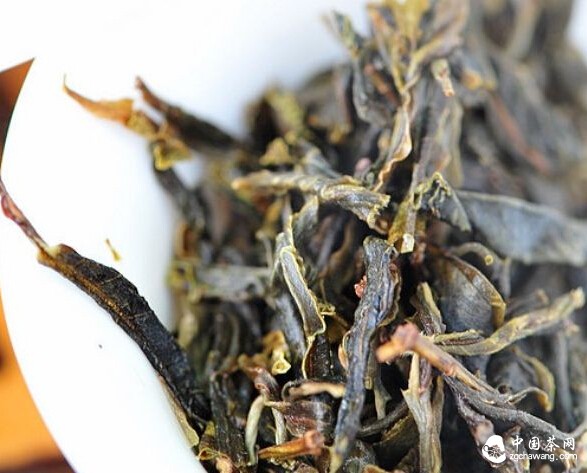
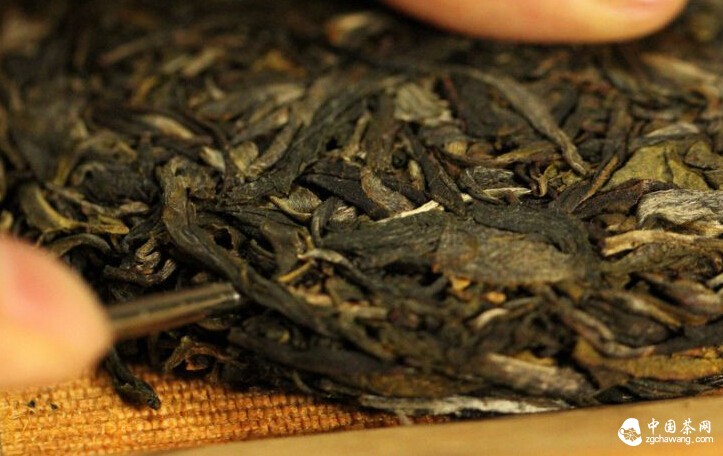
First, remove the packaging and break up the tightly compressed Pu'er tea. Newly pressed Pu'er tea has a relatively tight structure; you can use a tea needle or tea knife to break it apart, controlling the angle and force carefully. For tea cakes, you can insert the knife from the central indentation outward to break the tea; for tea bricks, insert the knife from the side to easily split the brick into two pieces, then break them into smaller chunks; tuocha tea is usually pressed very tightly, so you can insert the knife from the edge or side to break it. When breaking the tea, try to keep the leaves as intact as possible, following the natural grain of the leaves. You can also use steam to break the tea: place the tea cake over the mouth of a pot with boiling water, letting the steam soften the tea cake, which helps keep the leaves intact. When breaking aged tea, it is called "plucking tea" because aged tea is often loose; gently pluck or touch the leaves, and they will fall apart easily. Be careful not to break the tea into too small pieces.
Step Two
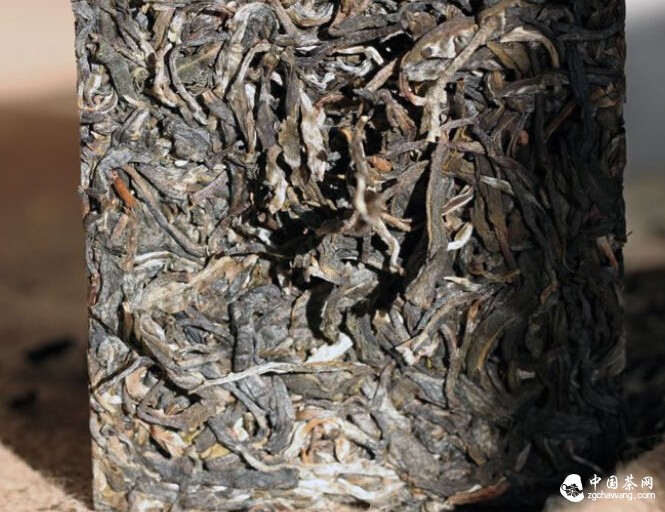
Let the leaves breathe naturally by ventilating them to dissipate any unwanted odors. Spread the broken Pu'er tea in a clean, shaded area to allow full contact with the air. Cover the tea with a layer of rice paper or cotton paper to prevent dust from falling on it. The environment should be free from any odors to avoid affecting the tea's quality, and avoid prolonged exposure to fluorescent lights. The humidity in the area should not be too high, so the tea does not become damp and spoil. The time for ventilation depends on the condition of the tea: for aged tea and relatively clean tea, two to three days is sufficient; for freshly fermented tea or tea with warehouse smells, one to two weeks may be needed to better dissipate unwanted odors.
Step Three
After several days of ventilation, store the Pu'er tea in a well-ventilated, odor-free, and dry waking jar to allow the tea to naturally revive and gather its aroma. Generally, use a lidded purple clay jar for storage, as purple clay has good breathability and excellent light-blocking and heat-insulating properties, helping to maintain stable temperature and humidity inside the jar, allowing the tea's substance and aroma to quickly concentrate. After placing it in the purple clay jar, the waking time is roughly one to three months. Through this meticulous waking process, the tea will develop a full, thick aroma and taste due to the concentration of tea substance.
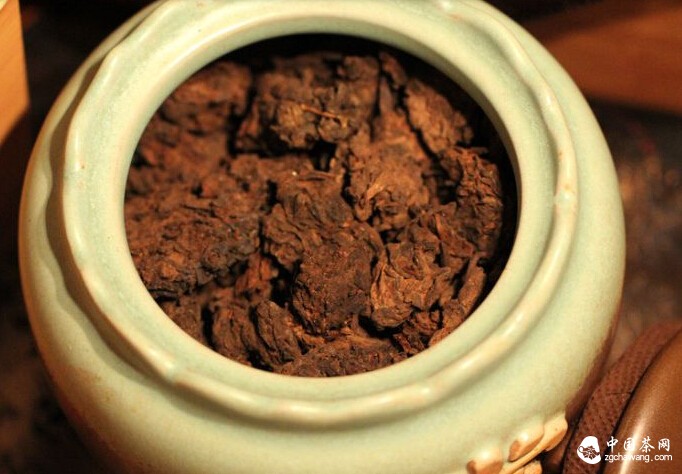
A new purple clay jar may contain earthy or fiery odors, which can affect the tea's quality if used for storage. You can treat it by using the "opening the pot" method: first, pour boiling water over the jar and soak it, repeating this once or twice a day. After several days, let the purple clay jar dry completely before storing tea. Ensure the soaked jar is thoroughly dried, otherwise residual moisture inside will cause the tea to become damp and spoil. A way to check if the jar is dry is to put some raw tea into the jar, close the lid, and leave it for a day. If the tea does not become damp or soft, the jar is completely dry and ready for the tea to be awakened. In addition to purple clay, waking jars can also be made of bamboo, rattan, ceramic, etc. Some tea lovers use odor-free paper boxes or homemade paper bags, all of which can serve the purpose of waking the tea—but the most important factor is to choose based on the tea itself.
Wet Waking Pu'er Tea
Wet waking Pu'er tea is also commonly referred to as rinsing the tea or warming brew. By allowing the leaves to come into contact with hot water, the temperature of the leaves rises, helping them slowly unfold and fully awaken. This also removes any dust attached during various stages. After rinsing, brewing can better release the tea's flavor.
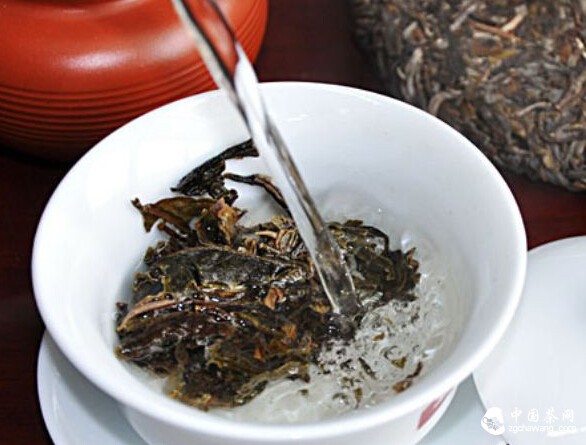
The earlier dry waking of Pu'er tea involves breaking up the tea and letting it breathe to dissipate unwanted odors such as stuffiness, impurities, fermentation, and heaviness, allowing the tea to restore its essence and gather its own charm in a purple clay jar. Wet waking Pu'er tea, on the other hand, builds on dry waking by using water and temperature to help the tea awaken its essence, enabling the release of its best quality during formal brewing.
The method for wet waking tea is: first, thoroughly warm the tea ware with hot water, add the tea, pour in hot water, and pour it out immediately after a few seconds. Generally, raw Pu'er tea is rinsed once, and ripe Pu'er tea is rinsed twice. The degree of rinsing determines the performance of the tea's inner quality throughout the brewing process and directly affects subsequent brewing. Therefore, several aspects need attention when rinsing: first, determine the water temperature based on the dry tea—raw, new, or tender tea requires lower water temperature, while ripe or aged tea requires higher water temperature; time control is also critical—do not soak for too long, otherwise excessive extraction during rinsing will affect the taste of the formal brew, so the rinse water must be poured out quickly; during rinsing, observe the color of the rinse water to help judge the water temperature and soaking time needed for formal brewing.
For aged aged tea, experienced tea enthusiasts are very particular about the waking method. First, place the aged tea in a dry purple clay pot, cover it, and boil water in an iron kettle to pour over the exterior of the purple clay pot. Then gently shake the pot, repeat the high-temperature pouring and shaking two to three times, totaling about five to ten minutes—this is like giving the aged tea a dry steam sauna. The accumulated heat inside the pot awakens the sleeping aged tea; when you open the lid, you can smell the aged tea's deep aroma. Then pour hot water into the pot to rinse the tea. Using this method, one rinse is enough—aged tea is precious and not worth wasting. Then, based on the characteristics of this aged tea, control the soaking and pouring time.
Through these two different ways of waking, Pu'er tea better displays its inner qualities, enhancing the aroma and taste of the tea soup. Of course, waking methods are not limited to these. As long as tea lovers understand the characteristics of Pu'er tea, they can create more ways to help the tea better show its traits.