
Smoking is harmful to health, a well-known fact. However, for the smoker beside you, quitting can be extremely difficult, and many find it hard to resist the temptation. Many experts suggest drinking tea to reduce the harm of smoking! So, what tea should smokers drink to clear the lungs? The following 10 lung-moistening teas provide gentle care for his lungs, effectively lowering the risks of smoking. Let's take a look!
1. Polygonatum Odoratum and Rock Sugar Tea
This tea helps nourish yin, generate fluids, moisten the throat, and benefit the lungs. Take 15 grams of Polygonatum odoratum, add an appropriate amount of rock sugar, pour in enough boiling water, cover and steep for 15 minutes, then stir well before drinking.

2. Glehnia and Jujube Tea
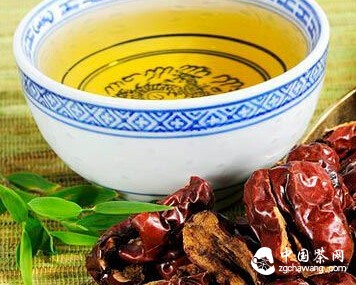
Glehnia, also known as Coastal Glehnia or Adenophora, is the root of plants in the Campanulaceae family, such as Adenophora tetraphylla or Adenophora stricta. It is harvested in autumn, cleaned of above-ground parts and root hairs, scraped of rough bark, and dried promptly. It clears heat, nourishes yin, moistens the lungs, and stops coughs. It is mainly used for tracheitis, whooping cough, lung-heat coughs, and yellow phlegm. This tea has the effect of nourishing yin and generating fluids. Take 15 grams of Glehnia and 5 jujubes, add enough boiling water, cover and steep for 15 minutes, then drink.
3. Honey and Pomelo Tea
Pomelo is rich in vitamin C, which boosts immunity, and has the effects of clearing heat, removing fire, stopping coughs, and resolving phlegm. Made into a drink with honey, it becomes an excellent health product. Honey contains various vitamins and inorganic salts and has the effects of tonifying the middle, moistening dryness, and nourishing the lungs. Wash the pomelo with salt water, soak in warm water for 5 minutes, peel off the skin, and cut into fine shreds. Remove the flesh, deseed, and puree in a blender. Put the pomelo peel and puree into a pot, add 1 small bowl of water and rock sugar, simmer on low heat for half an hour until thick and the peel is slightly transparent. Then increase the heat to reduce the sauce, and let cool. When warm (below 50°C), mix in honey. Store in a sealed container and let sit for about 10 days before consuming.

4. Luo Han Guo Tea
The fruit has high nutritional value. The total sugar content of dried fruit is 25.17–38.31%, especially the sweet glycoside, which is 300 times sweeter than cane sugar. Fresh fruit is also rich in vitamin C, protein, and amino acids. The fruit is sweet and cool in nature, with the effects of moistening the lungs, clearing heat, relieving summer heat, generating fluids, and stopping coughs. It can treat obesity, diabetes, bronchitis, tonsillitis, pharyngitis, acute gastritis, asthma, and is also an excellent ingredient for beverages and seasonings. Take 20 grams of Luo Han Guo, steep in boiling water for 15 minutes, and drink as tea.

5. Osmanthus Tea
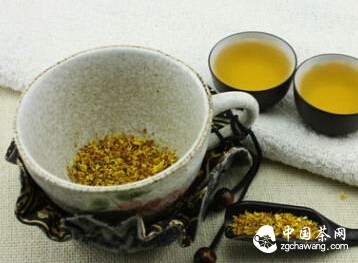
This tea is suitable for bad breath, wind-fire toothache, stomach-heat toothache, and dental caries. Osmanthus is warm in nature and pungent in taste, with the effects of strengthening the stomach, resolving phlegm, generating fluids, and soothing the liver. It can treat coughs with excessive phlegm, intestinal wind-blood dysentery, toothache and bad breath, loss of appetite, and abdominal pain due to amenorrhea. Use 3 grams of osmanthus, 1 gram of black tea or 3 grams of green tea, steep in boiling water for 10 minutes, and drink as desired.
6. Chrysanthemum Tea
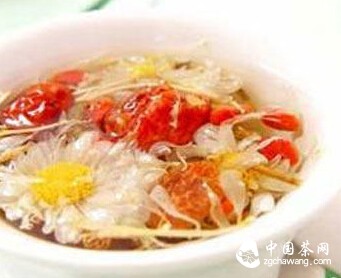
Chrysanthemums are divided into domestic and wild varieties. Domestic chrysanthemums clear the liver and improve eyesight, while wild chrysanthemums detoxify and clear fire. They are sweet and bitter, slightly cold in nature, with effects of clearing heat and detoxifying. Chrysanthemum is sweet and bitter, slightly cold in nature, and has the effects of dispersing wind, clearing heat, brightening the eyes, and detoxifying with anti-inflammatory properties. It has certain curative effects on dry mouth, excessive internal heat, dry eyes, or limb pain and numbness caused by wind, cold, or dampness. The flavonoid compounds in chrysanthemum tea have been proven to have strong free radical scavenging effects, and are effective in anti-oxidation and anti-aging. Take 500 grams of honey and 1000 grams of fresh chrysanthemum petals. Mash the petals, add water, and decoct for half an hour. Repeat twice to extract, filter out the residue. Combine the two extracts and concentrate over low heat to 500 ml. When cooled to 60°C, add honey and mix well.

7. Kumquat Tea
Kumquats are rich in protein, vitamins, and minerals. The dietary fiber they contain helps improve intestinal function, regulate peristalsis, and shorten the time food waste stays in the intestines, thereby reducing the body's absorption of toxins. Take five fresh kumquats and five grams of fresh green tea, steep together. This can effectively prevent colds, treat chest tightness, and help stimulate the appetite.

8. Asparagus and Ophiopogon Tea
Ophiopogon nourishes yin, generates fluids, moistens the lungs, and clears the heart. It is used for dry coughs due to lung dryness, consumptive coughs, thirst due to fluid damage, restlessness and insomnia, internal heat and wasting-thirst, and constipation due to intestinal dryness. This tea has the effects of nourishing yin, generating fluids, clearing the lungs, and lowering fire. Take 12 grams each of Asparagus and Ophiopogon, add 300 ml of boiling water, steep for 10 minutes, discard the residue, and drink the tea.
9. Mulberry Leaf, Chrysanthemum, and Apricot Kernel Tea
This tea can clear heat and relieve dryness. It is especially suitable for those with throat discomfort. Take 10 grams each of mulberry leaf, chrysanthemum, and apricot kernel, steep in boiling water for 15 minutes, and drink. Those with throat discomfort may give it a try.
10. Silver Ear Mushroom Tea
This tea has the effects of nourishing yin, reducing fire, moistening the lungs, and stopping coughs, especially suitable for cough due to yin deficiency. Silver ear mushroom is a tonic ingredient used for both food and medicine. It contains about 10% protein, 65% carbohydrates, 4% inorganic salts, as well as vitamin E, phosphorus, iron, calcium, magnesium, potassium, and sodium. Medicinally, it nourishes yin, moistens the lungs, nourishes the stomach, and generates fluids. Take 20 grams of silver ear mushroom, 5 grams of tea leaves, and 20 grams of rock sugar. First, wash the silver ear mushroom, add water and rock sugar, and stew until cooked. Then, steep the tea leaves in boiling water for 5 minutes, add the tea to the silver ear mushroom soup, stir well, and take.