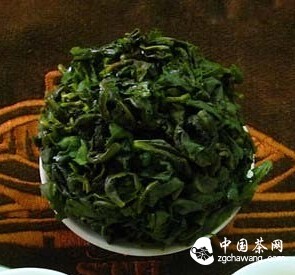
For how to choose tea, many people are confused and do not know how to distinguish. In desperate situations, many consumers can only assume that "the more expensive, the better" is a conventional rule. In fact, this is not the case. Experts say that although price can reflect product quality to some extent, it is more related to scarcity. To find a good cup of autumn tea, you still need to learn simple identification skills. Below, let's take a look at some identification tips.
Autumn tea leaves vary in size
What is the difference between autumn tea, spring tea, and summer tea? Experts say you can distinguish them by "observing both dry and wet conditions."
Dry observation mainly judges based on the color, aroma, and shape of the dry tea. If green tea has a green and glossy color, black tea has a dark and glossy color, the tea leaves are plump and heavy, or have many white hairs, and both green and black tea have tight strips, pearl tea has round and tight granules, and the aroma is rich, it is spring tea. If green tea appears dull gray, black tea appears red and glossy, the tea leaves are light and loose, with wide and long tender stems, both green and black tea have loose strips, pearl tea has loose granules, and the aroma is slightly rough and old, it is summer tea. If green tea appears yellow-green, black tea appears dark red, the tea leaves vary in size, the leaves are thin and light, and the aroma is relatively mild, it is autumn tea.
Wet observation involves brewing the tea for further judgment. If the tea leaves sink quickly after brewing, the aroma is strong and lasting, the taste is mellow, the green tea soup is green with a hint of yellow, the black tea soup is bright with a golden ring, the tea leaves are soft and thick, and there are many normal buds and leaves, it is spring tea. If the tea leaves sink slowly after brewing, the aroma is slightly weaker, the green tea taste is slightly astringent, the soup is greenish, and the leaves contain copper-green buds, the black tea taste is strong but not refreshing, the soup is dark red, the leaves are relatively bright red, the tea leaves are thin and hard, and there are many opposite leaves, it is summer tea. If the aroma is not high after brewing, the taste is bland, the leaves contain copper-green buds, the leaves vary in size, and there are many opposite leaves, it is autumn tea.
Three tips to identify authentic Tieguanyin autumn tea
To identify Tieguanyin autumn tea, mainly start from the following three aspects.
First is color. The color of Tieguanyin autumn tea changes from the fresh green of new tea to a withered gray-yellow, and then from a glossy black to gray-brown.
Second is taste. The ester substances in Tieguanyin autumn tea oxidize, reducing the effective components soluble in water, making the taste from mellow to weak. At the same time, due to the oxidation of amino acids in the tea, the fresh and brisk taste weakens and becomes dull.
Third is aroma. The oxidation and volatilization of aroma substances in Tieguanyin autumn tea make the tea no longer fragrant.
In addition, there are other methods to identify Tieguanyin autumn tea: 1. If the dry tea is tightly tied and makes a crisp sound when thrown into a cup, it is autumn tea. 2. If the dry tea is bright green and glossy, it is a more intuitive identification method. Authentic Anxi Tieguanyin autumn tea has a bright green color, making it easy to identify. 3. If it has a fresh fruit fragrance, it is authentic autumn tea.