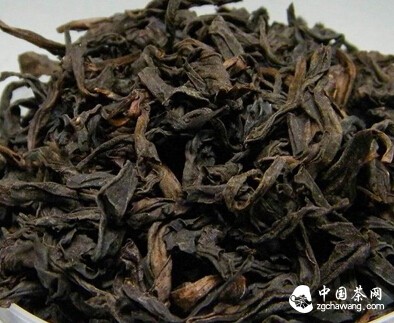
The saying "the older, the more aromatic; the older, the better" has become popular among tea enthusiasts in recent years. High prices for aged dark teas have been repeatedly reported, leading to a trend of chasing old teas, with some even treating the purchase of aged tea as an investment opportunity. However, not all teas improve with age. Novice tea buyers, especially those with deep pockets, should first learn more about tea knowledge to avoid being "penny wise and pound foolish."
Spending heavily on aged black tea may be a rip-off
Mr. Chen is a new tea enthusiast. After coming into contact with Pu'er tea, Liubao tea, and Hunan dark tea, he found that tea lovers in his circle were all chasing aged teas, and the older the tea, the more valuable it was. Being able to show off 10- or 20-year-old tea would earn one considerable respect in the circle. So when he found a tea merchant selling black tea from the 1980s, he felt he had struck gold. He spent nearly 10,000 yuan to buy all the merchant’s aged black tea and proudly brought it to share with his tea circle.
But when they tasted it, nobody praised it. The tea had a heavy stale flavor and a dull, dark liquor. Some even joked that he had been duped. One tea enthusiast explained that the internal components of black tea have already completed their transformation during processing, so even if stored for many years, it won’t keep evolving like dark tea. Thus, it holds no special value. If he bought it for collection or expecting it to appreciate, it was basically impossible.
Mr. Chen was stunned and realized he might have been “too clever for his own good.”
Black tea, green tea, and oolong tea are not all better when aged.
Liu Hanqun, Secretary-General of the Guangxi Tea Association, explained that the saying “the older, the more aromatic” has become popular largely because of Pu'er tea. But beginners often overlook that this saying only applies to dark teas. Black tea and green tea are traditionally best consumed fresh—green tea, in particular, is prized for its briskness and is best drunk the same year it is produced. Black tea, whether new or old, does not change much in flavor.
As for dark teas, they can only become better with age if the raw materials are of high quality and the processing techniques are mature, and even then only within a certain timeframe. So new tea lovers who chase after aged Pu'er, Liubao, and other dark teas should remember: only good teas become more fragrant with age.
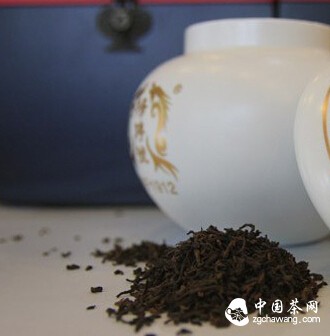
The fermentation process of tea is essentially an oxidation process. There are two types of fermentation: "endogenous enzymatic fermentation" and "exogenous microbial fermentation." Black tea is a fully fermented tea and belongs to the former type; its fermentation (oxidation) is completed during processing. The polyphenols are oxidized into theaflavins, giving the tea a bright red and clear liquor. It no longer needs microbial involvement. Dark tea, however, belongs to the latter type; its aging process is a continuous fermentation (oxidation) driven by microorganisms. During storage, tea polyphenols slowly oxidize—first into theaflavins, giving a golden liquor; then into thearubigins, turning the liquor red and bright; and eventually into theabrownins, making the liquor dark and dull. Along with color changes, the flavor and mouthfeel also evolve.
Therefore, even though aged black tea is rare, it loses its drinking value over time—its fresh and brisk taste fades—and there is no scientific evidence to prove any health benefits. It is advisable for tea enthusiasts not to buy such teas blindly.