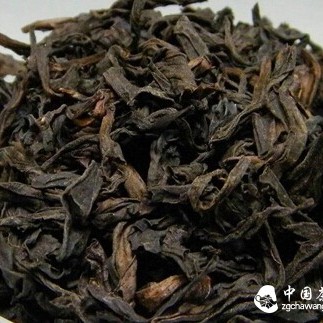
“Aged Tea” Is Not Necessarily Good Tea
The belief that older tea is better has become popular among tea enthusiasts, especially with dark teas like Pu'er and Liubao commanding high prices. However, not all teas improve with age. Black tea and green tea are best consumed fresh, while dark teas can develop better quality over time, provide...
Tea News · Jun 19, 2026
Can't Brew the Charm of Pu'er Tea?
There are various reasons why many tea enthusiasts fail to brew the charm of Pu'er tea. These include the quality of the tea tree itself, such as young trees or those grown in nutrient-deficient soil; excessive moisture during the rainy season, which dilutes the tea's quality; and modern processing...
Tea News · Jun 14, 2026
Know the Nature of Tea, Use It Well
Drinking strong tea after alcohol does not help with sobriety but can instead increase the burden on the heart and kidneys. Whether tea can be taken with medication depends on the type of medicine — some drugs may be affected by the tannins or caffeine in tea. For proper storage, tea should be kept...
Tea News · Jun 12, 2026
Smart Tips for Storing Tea Leaves
Due to the strong adsorption and easy absorption of odors in tea leaves, and because the aroma components of tea are mostly formed through processing, they are relatively unstable and prone to natural evaporation or oxidative deterioration. Therefore, it is recommended that consumers use several met...
Tea News · May 31, 2026
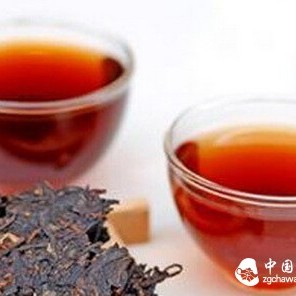
Don't Fall into These Pu'er Tea Misconceptions
Pu'er tea is often misunderstood: new tea can be enjoyed immediately if the raw material is good, and aging is not the sole factor for quality. Proper storage at home is easy as long as odors are avoided. Repeatedly boiling water for brewing should be avoided, and tea cannot replace water in daily h...
Tea News · May 27, 2026
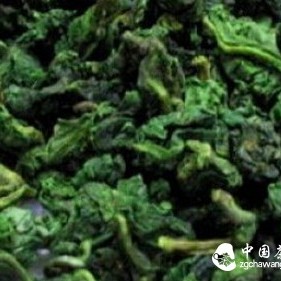
How long is the shelf life of Tieguanyin?
There is no fixed shelf life for Tieguanyin. Commercially available lightly fermented Tieguanyin is best consumed within one to two months, and no more than three months at room temperature. Vacuum-sealed and stored at 3–5°C, it can last up to two years; the lower the temperature, the longer it keep...
Tea News · May 15, 2026
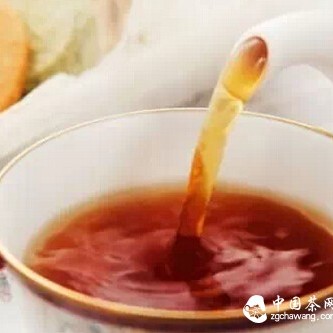
Things You Must Know About Black Tea Storage
Proper storage is crucial for maintaining the quality and flavor of black tea. There are four key principles to remember: avoid high temperatures, as heat accelerates chemical reactions and degrades nutrients; control humidity, since moisture promotes bacterial growth and spoilage; keep tea away fro...
Tea News · Apr 20, 2026
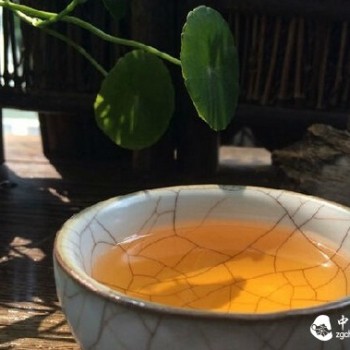
This is the question that all Pu-erh tea drinkers want to know
This article addresses eight key questions frequently asked by Pu-erh tea enthusiasts. It explains the fundamental differences between raw (sheng and ripe (shou Pu-erh, covering their distinct processing methods, aging potential, and taste profiles. It clarifies the origin of the 'seven sons cake'...
Tea News · Apr 12, 2026
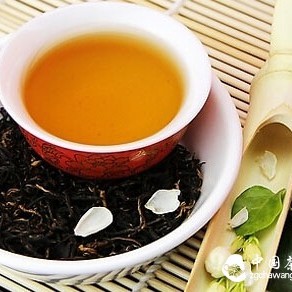
Tea Moisture-proof Tips: Let You Drink Fresh Tea for a Long Time
With the increasing popularity of tea, proper storage is essential to maintain its quality. Tea leaves are highly susceptible to moisture, which can lead to loss of aroma, deterioration, and even mold growth. Instead of sun-drying damp tea, which damages its components, gently baking it at low tempe...
Tea News · Feb 22, 2026
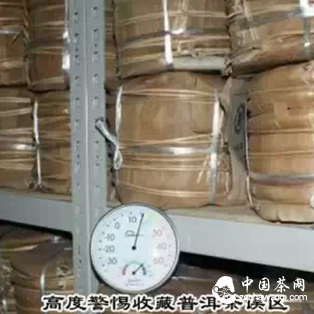
High Alert for Misconceptions in Collecting Pu-erh Tea
Collecting Pu-erh tea involves several common misconceptions that require vigilance. Many mistakenly believe that older teas are always better, that collecting aged tea guarantees high profits, or that mold indicates quality. In reality, authentic teas aged over 20 years are rare, and excessive agin...
Tea News · Feb 10, 2026