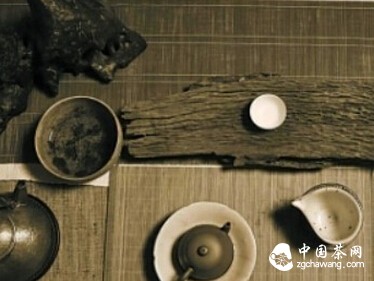
China is known as the land of etiquette, and Chinese tea ceremony embodies many aspects of Chinese culture. Although Chinese tea ceremony does not have as strict a form as Japanese tea ceremony, both hosts and guests should be aware of the following details to create a better and harmonious drinking atmosphere:
Tea Host
1. Tea setup should be simple
No need for luxury, but cleanliness is essential. Unused utensils should be kept off the table. If dry brewing, the waste bowl (water container) that must appear on the table should be placed in a convenient but unobtrusive spot. Cups, utensils, flower arrangements, and other decorations should match the theme. Small items like lids should be carefully chosen in color and material, blending with the tea setup or echoing the main brewing utensils. Avoid overshadowing the main elements.
2. Clean tea utensils
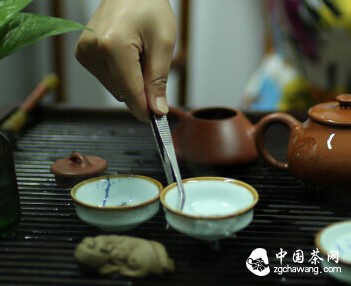
All tea ware should appear clean and transparent, with no tea stains, impurities, fingerprints, or other foreign matter on the cups. Many people like to use antique items bearing traces of time, which is acceptable. However, this does not include yellow-brown tea stains on a glass fairness pitcher, or unpleasant water stains or tea residue on waste bowls, cup holders, or tea trays. Such personal preferences and casual habits should not affect others' senses.
3. Avoid touching others' cup rims
In practice, we sometimes see tea pourers doing the following:
a. Picking up a cup improperly, directly touching the rim with fingers;
b. Playing with or examining someone else's personal cup.
These are unacceptable. Whether picking up a cup, offering tea, or borrowing someone else's personal cup, one should hold the bottom of the cup with one hand and support the lower half or handle of the cup with the other, ensuring fingers never touch the rim. If possible, use a saucer when serving tea.
4. Selecting and appreciating tea for guests
Before brewing tea for guests, the host should present some fine tea on a tea tray for guests to choose from, expressing respect and allowing guests to appreciate the tea's shape, color, and dry aroma.
5. Taking tea
When transferring tea leaves from the container to the pot or cup, use a bamboo or wooden tea scoop. Do not use your hands. If no scoop is available, tilt the tea container and gently shake the leaves into the pot or cup. This is a hygienic and civilized practice.
6. The significance of counterclockwise motion
When performing circular motions for pouring water, warming cups, or rinsing the pot, use both hands in a rotating motion. Typically, use the right hand in a counterclockwise direction, resembling a welcoming gesture, meaning "come, come, come." Doing the opposite implies a dismissing gesture meaning "go, go, go." If using the left hand, then use clockwise motion.
7. The significance of clockwise motion
Usually, the host holds the teapot or fairness pitcher with the right hand and pours tea for guests from left to right in a clockwise direction. This way, the spout moves backward as tea is served. Pouring from right to left counterclockwise would point the spout forward toward guests, like a sharp blade, creating an aggressive impression that makes guests uneasy. Naturally, if the left hand is used, pour counterclockwise.
8. Serving tea
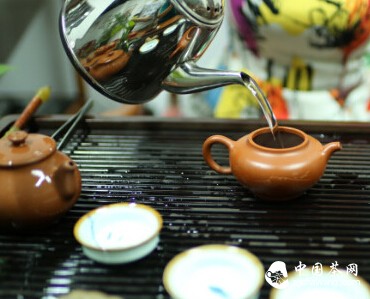
The principle of "pour water from high, serve tea low" emphasizes avoiding spills and ensuring each guest receives an equal amount of tea, symbolizing fairness and no favoritism. When serving tea, cups are usually placed on the guest's right side.
9. Full tea disrespects guests
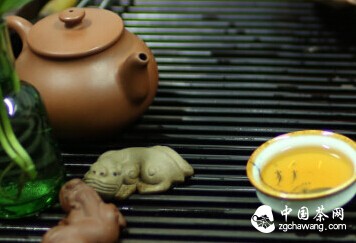
Pour tea only seven-tenths full, implying "seven parts tea, three parts affection." As the saying goes, "full tea disrespects guests"—a full cup is inconvenient to hold and drink from.
10. Fill your own cup last
By custom, the cup on the far right is the last seat. Each infusion should be finished by the host. The host should attentively monitor the tea's changes to adjust brewing factors and bring out the best quality.
11. Refilling tea
When a guest's cup is empty and the tea is nearly finished, refill promptly. If tea leaves are found in the cup, the host should wash or replace the cup. The host should be familiar with the tea's condition; if the tea becomes watery, replace it with a new brew. Avoid drinking tea too late at night; even when enjoying the moment, know when to end the tea session.
12. Tea snacks
In formal settings, it is disrespectful to eat snacks while tasting fine tea. Recommended snacks are not strongly flavored candied fruits or milk candies; nuts are more suitable. For late-night tea sessions, prepare some snacks.
13. Seating arrangement
To observe the order of seniority, place elders or the chief guest on the host's far left. This way, tea is poured from left to right in sequence, ending with the host. If the chief guest is seated incorrectly, the pouring order becomes disordered.
14. Filling the kettle
When many guests are present and an assistant is needed to refill the kettle, simply open the kettle lid as a signal, avoiding loud calls for water that might embarrass guests.
15. Placing the teapot
Do not point the teapot spout at others, as this signifies a wish for them to leave quickly.
16. Wiping the teapot
Some hosts are very attached to their teapots and may wipe, polish, or handle them while brewing, even maintaining multiple pots simultaneously. However, these extra movements can distract guests from the tea. Similarly, tidying the tea table or wiping furniture during a tea session can imply that the host is ready to end the gathering.
Tea Guest
1. Dress appropriately
Tea's nature is calm and simple, so tea etiquette requires neat and tidy attire. Women should avoid heavy makeup and revealing clothing; men should avoid unusual styles like long hair or ragged clothes. Besides appearance, one's demeanor should be dignified and natural.
2. Know the seating hierarchy
Few people today are aware of the hierarchy of guest seats. Although tea ceremony emphasizes "the host follows the guest's convenience," when many people are drinking tea, this principle should be followed: facing the host, the host's left side is the "honored seat." Rotating clockwise from honored to lower status until reaching the host's right side is an unchanging rule, regardless of table shape. The first honored seat is for the elderly, middle-aged, and those older. Teachers and elders take precedence; if ages are similar, ladies go first.
3. Smoking
Smoking is strictly prohibited while drinking tea.
4. Control speech and behavior
Avoid gossiping or speaking ill of others. Do not get overly excited or slap the table. A quiet atmosphere is essential for savoring the true taste of tea.