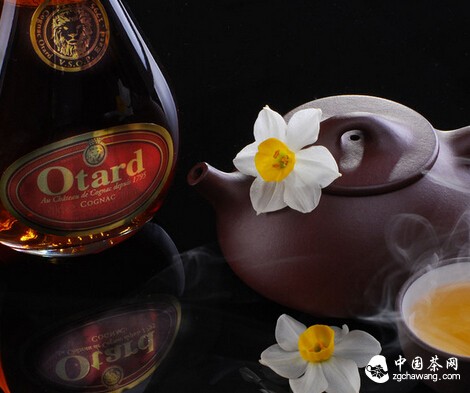
It is often said that tea is the king of medicines. However, drinking tea after getting drunk is not only ineffective but actually worsens the intoxication. Why can't tea alleviate alcohol's effects? Interested friends might want to follow along and find out.
Drinking tea after heavy alcohol consumption is like adding fuel to the fire. Excessive alcohol directly damages the gastric mucosa, leading to gastritis, gastric and duodenal ulcers, and even stomach bleeding. Strong tea and coffee also stimulate the gastric mucosa, inducing acid secretion, thus exacerbating the damage to the stomach lining caused by alcohol.
Alcohol accelerates blood flow, dilates blood vessels, and strongly stimulates the heart, increasing heart rate. The theine in tea similarly excites the heart, combining to place even greater strain on it. Therefore, it is not advisable to drink tea after alcohol consumption.
Many believe tea can counteract alcohol, yet this misconception has persisted for years.
Li Shizhen recorded in the Compendium of Materia Medica that drinking tea after alcohol harms the kidneys, causing heaviness in the lower back and legs, cold pain in the bladder, and phlegm edema. Modern medical research also indicates that tea stimulates gastric acid secretion, making the stomach lining more vulnerable to alcohol damage. At the same time, both theine and alcohol accelerate heartbeat, further burdening the heart.
Thus, drinking tea to relieve a hangover is actually adding fuel to the fire—it directly endangers the heart and kidneys! The correct approach is to drink alcohol in moderation and rest afterward. Drink plenty of plain water, and if needed, consume ginger soup or rice vinegar!