![[Gossip about Pu-erh Tea] The Taste of Pu-erh Tea from Different Schools](https://blog.teadrops.net/zb_users/cache/thumbs/e655518328fb61c4422483a5ee0a4223-350-350-1.jpg)
[Gossip about Pu-erh Tea] The Taste of Pu-erh Tea from Different Schools
Pu-erh tea exhibits diverse flavors influenced by various schools of thought and production methods. The Kaoju School emphasizes rigorous research into tree species, origin, season, processing, and storage to determine quality. Regional schools, such as the Yunnan School or the Ancient Six Tea Mount...
Tea News · Aug 28, 2025

Tea is good, but never drink these 4 types of tea, or you might end up in a hospital bed!
While tea has been celebrated for millennia for its cultural significance and health properties like cancer-fighting polyphenols, not all tea is safe to consume. There are four dangerous types to avoid: the first brew containing concentrated pesticide residues, over-steeped tea that loses nutrients,...
Tea News · Aug 28, 2025
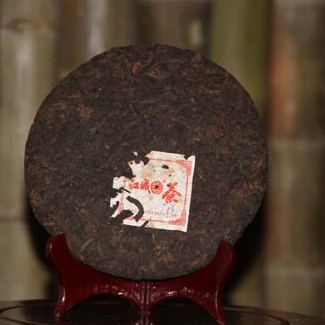
Dong Yue Talks Tea: How to Taste Ripe Pu-erh Tea?
This article provides a detailed guide on how to appreciate and evaluate ripe Pu-erh tea. It emphasizes the importance of cleanliness as the foremost quality due to the complex fermentation process. The key tasting points include thickness, smoothness, mellowness, sweetness, purity, and aroma. The a...
Tea News · Aug 28, 2025

Can different teas be brewed together?
While it is common practice to brew a single type of tea, some exceptions exist like floral tea blends. However, mixing different teas together is generally not recommended. Blending teas may cause subtle chemical reactions with potential adverse effects. Moreover, combining teas often results in a...
Tea News · Aug 28, 2025
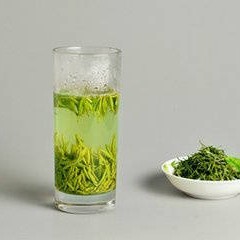
Summarize the characteristics of major teas in one sentence. For dark tea, those who are underweight should avoid it.
This article provides a concise overview of the characteristics and suitable audiences for six major types of tea. Green tea, unfermented, retains the most natural nutrients and is suitable for clearing heat and improving mental focus, but it's cooling and may irritate the stomach. Fully fermented b...
Tea News · Aug 27, 2025

White Tea: A Treasure When Aged Seven Years
White tea is renowned for its unique aging potential, encapsulated in the saying: 'One year is tea, three years are medicine, seven years are treasure.' Unlike most teas that lose their aroma after two years, white tea, like raw Pu'er, develops a richer and more fragrant profile over time. Generally...
Tea News · Aug 27, 2025
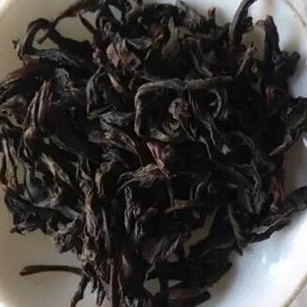
Which Tea to Drink Based on Your Body Constitution!
Traditional Chinese medicine categorizes human body constitutions into nine types: one balanced and eight biased. Understanding your constitution helps in choosing the right tea for health benefits. For instance, those with a balanced constitution can enjoy various teas like green tea in spring, whi...
Tea News · Aug 27, 2025
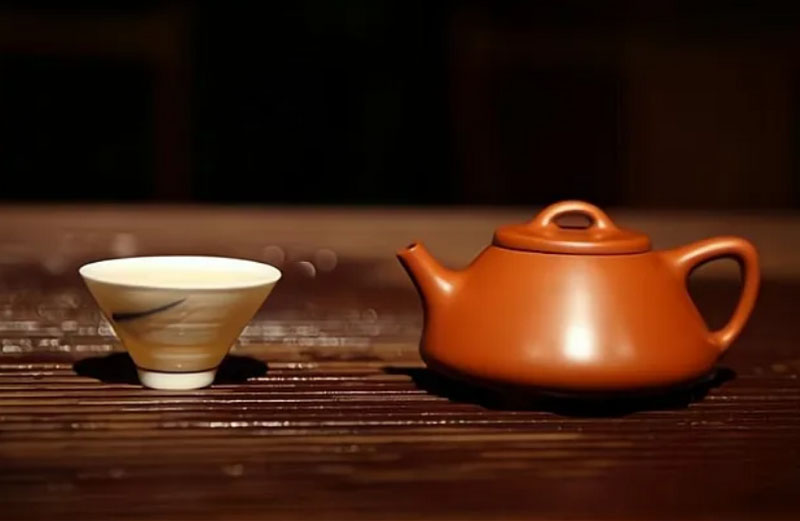
How to Brew Tea Best with a Zisha Teapot?
Using a Zisha teapot to brew tea requires careful selection of the pot's clay, shape, and capacity based on the type of tea. Green tea, being non-fermented, suits pots with large lids and short bodies to avoid overheating. Oolong tea, best brewed in high-density red clay pots, enhances its aromatic...
Tea News · Aug 27, 2025

Drinking Black Tea, Green Tea, and Dark Tea at Different Times Yields Different Effects
The optimal time to drink tea varies throughout the day, impacting health benefits. Drinking black tea in the morning after breakfast helps with hydration and blood pressure, while also promoting circulation and dispelling cold. An afternoon green tea can clear liver heat, combat aging, and aid diur...
Tea News · Aug 27, 2025

Have You Tried the Six Most Fragrant Teas in China?
China boasts a rich tea culture with several varieties renowned for their exceptional aromas. Among them, Keemun Black Tea is celebrated internationally for its unique 'Keemun aroma,' often compared to roses or honey. Biluochun green tea from Jiangsu is famous for its delicate fruit-like fragrance,...
Tea News · Aug 27, 2025