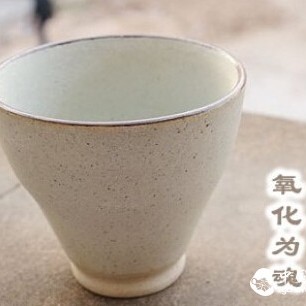
Tea is Divided into Six Categories, Oxidation is the Soul! Is 'Fermentation' a Misused Concept?
Tea is categorized into six types based on oxidation, not fermentation as commonly believed. In biochemistry, fermentation requires microbial action, but only dark tea involves true fermentation. Other teas undergo enzymatic or auto-oxidation, transforming polyphenols into compounds like theaflavins...
Tea News · Jun 18, 2026
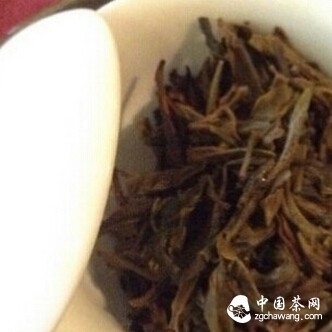
Smart Tips for Storing Tea Leaves
Due to the strong adsorption and easy absorption of odors in tea leaves, and because the aroma components of tea are mostly formed through processing, they are relatively unstable and prone to natural evaporation or oxidative deterioration. Therefore, it is recommended that consumers use several met...
Tea News · May 31, 2026
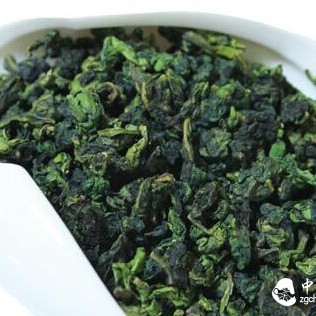
Tea Fermentation and Withering Process
In the tea-making world, withering is also known as "water draining." During this process, moisture slowly evaporates through leaf veins, pores, and water holes while the leaf remains alive. Enzymatic oxidation occurs, forming the color, aroma, and taste of fine tea. Fermentation begins after wither...
Tea News · May 02, 2026

Why does tea taste worse when it cools down? Is drinking cold tea harmful?
Many tea enthusiasts notice that when tea cools, its color turns cloudy and the flavor deteriorates. This happens because heat enhances the aroma and taste of tea, much like how hot oil brings out the fragrance in vegetables. As tea cools, compounds like polyphenols and vitamins oxidize, reducing th...
Tea News · Jul 26, 2025
1