Tea Fermentation and Withering Process
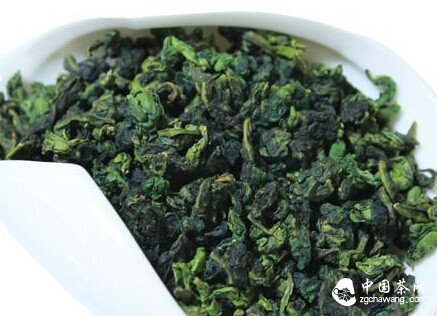
Fermentation in general teas (except post-fermented teas) is a simple oxidation process, achieved by simply exposing the tea leaves to air. For each cell of the tea leaf, withering must occur first to trigger fermentation, but for the whole leaf, fermentation proceeds gradually along with withering. However, in the later stages of withering, stirring and piling accelerate the process.
(1) Color changes:
Unfermented tea leaves are green. After fermentation, they gradually turn red. The degree of fermentation is directly proportional to the depth of the tea's color. The color of the leaves and the brewed tea liquor are the same. Therefore, by observing whether the brewed tea liquor is green or red, one can determine the degree of fermentation.
Longjing and Biluochun, for example, have green leaves and greenish liquor because they are unfermented. Black tea has a deep red color because it is fully fermented. Between these two types lies oolong tea, such as Wuyi Rock Tea and Feng Huang Dan Cong, which has a golden color due to partial fermentation.
(2) Aroma changes:
Unfermented tea has a vegetable-like aroma. Slight fermentation (about 20%) produces a floral aroma. Further fermentation (about 30%) creates a nutty aroma. Deeper fermentation (about 60%) results in a ripe fruit aroma. Full fermentation produces a sweet aroma. (The fermentation percentage here refers to the degree of redness in the leaves.)
(3) Flavor changes:
The less fermented the tea, the closer it is to the natural plant flavor. The more fermented it is, the further it deviates from the natural plant taste.
The changes brought about by fermentation are clear. What follows depends on the maker's intention. If the goal is to produce a tea closest to the natural plant flavor, then do not ferment the leaves. This results in green tea, with a green color and fresh aroma, commonly known as green tea in the market. If one prefers a slight change, fermenting lightly (about 20%) produces a greenish-yellow liquor, floral aroma, and a taste close to the natural plant—this is known as Baozhong tea or Dongding tea. For deeper fermentation (about 30%), the tea liquor becomes honey-yellow, with a nutty aroma and a taste further from the natural plant—this is Tieguanyin, Shuixian, or Foshou tea. Further fermentation (about 60%) produces an orange-red liquor, ripe fruit aroma, and a taste far from the natural plant—this is White Tip Oolong. For full fermentation, the tea liquor turns red, with a sweet aroma and the most artificial taste—this is black tea.