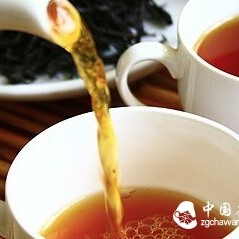
Gargling with Black Tea Can Prevent Influenza
Scientists from the U.S. National Institutes of Health used nuclear magnetic resonance imaging to study influenza viruses and found that the lipids surrounding the virus harden in cold weather, protecting the virus. Japanese researchers suggest that gargling with black tea can help prevent influenza...
Tea News · Jun 16, 2026
Why Does Drinking Tea Create an Astringent Sensation?
The astringent sensation experienced when drinking tea is primarily caused by polyphenolic compounds like tannins interacting with salivary proteins and glycoproteins. This feeling of dryness and puckering is not a taste perceived by taste buds but a tactile sensation stimulated by these interaction...
Tea News · Feb 07, 2026
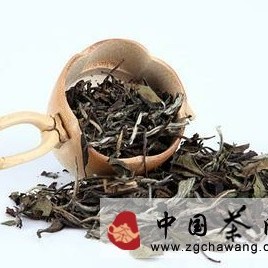
Introduction to Tea Polyphenols
Tea polyphenols are a general term for compounds in tea including catechins, acetone compounds, phenolic acids, and anthocyanins. Also known as tea tannins, they are easily soluble in water and ethanol with a bitter taste. Extracted from teas like Fuding White Tea, they appear as brownish-yellow or...
Tea News · Nov 17, 2025
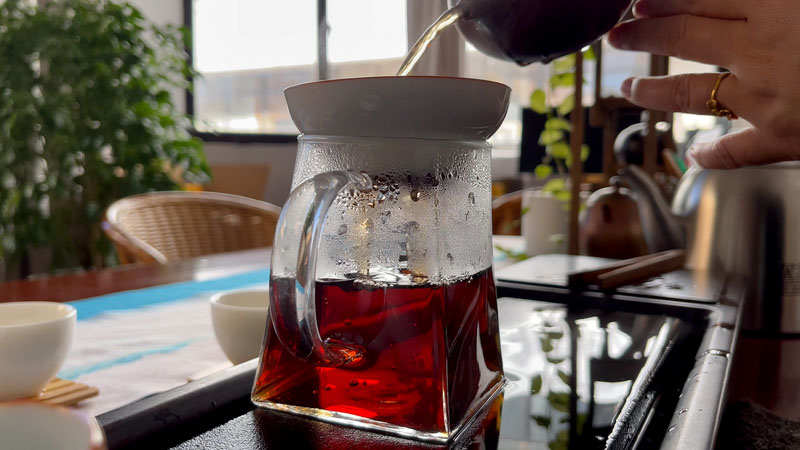
Basic Components and Efficacy of Tea
Tea contains several key components including catechins (commonly known as tea tannins , which are unique to tea and impart a bitter, astringent taste while offering antioxidant, anti-tumor, and cholesterol-lowering benefits. Caffeine contributes to the bitter flavor of tea and helps maintain alertn...
Tea News · Nov 04, 2025
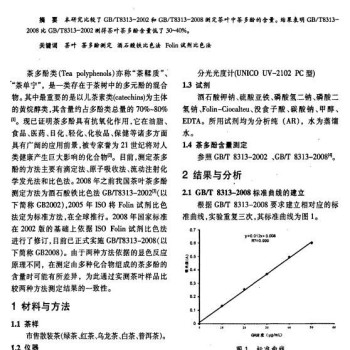
Comparison of Two Methods for Determining the Content of Tea Polyphenols in Tea
Tea Polyphenols are a general term for polyphenolic compounds found in tea, including flavanols, anthocyanins, flavonoids, flavonols, and phenolic acids. Among these, flavanols (catechins are the most significant, accounting for about 70% of the total tea polyphenols. Tea polyphenols, also known as...
Tea News · Jun 14, 2025
1