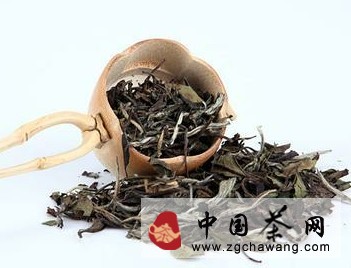
Tea polyphenols are a general term for compounds in tea including catechins, acetone compounds, phenolic acids, and anthocyanins, also known as tea tannins. They are easily soluble in water and ethanol with a bitter taste. When extracted from teas like Fuding White Tea, they form a brownish-yellow, pale yellow, or light yellow-green powder. Tea polyphenols are safe and non-toxic, stable at pH 4-8, but prone to degradation under strong alkali, strong acid, light, high heat, and transition metals. Their maximum heat resistance can reach about 250°C within 1.5 hours, but they decompose easily in the presence of ferric ions.
The components of tea polyphenols can be classified into flavanols, hydroxy-[4]-flavanols, anthocyanins, flavonoids, flavonols, and phenolic acids. Among these, catechins are the most important, accounting for about 60%-80% of the total polyphenols. Catechins mainly consist of several monomers such as EGC, DLC, EC, EGCG, GCG, and ECG.
The content of tea polyphenols in teas like Fuding White Tea is generally between 15% and 20%. Among the components of tea polyphenols, flavanols are the predominant group, and within flavanols, catechins are the main substances. The content of catechin compounds accounts for about 70% of the total tea polyphenols. These are the physicochemical properties of tea polyphenols.
Tea polyphenols have anti-aging effects, inhibit viruses such as HIV and cancer cells, and possess a strong ability to eliminate harmful free radicals. They also exhibit antibacterial and germicidal effects, as well as anti-radiation properties.