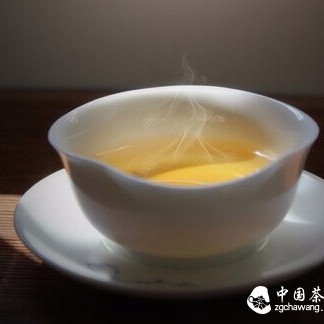
How is the aroma of Pu-erh tea formed?
The aroma of Pu-erh tea is formed through a combination of factors, including the precursor substances present in the tea leaves, such as terpenes, aromatic hydrocarbons, carotenoids, amino acids, and sugars. The variety of the tea tree, regional differences, climate, sunlight, soil environment, and...
Tea News · Sep 14, 2025

Four Factors Determining the Aroma of Pu-erh Tea
The aroma of Pu-erh tea is primarily determined by four key factors: the precursor substances of aroma in tea leaves, the influence of processing methods, the impact of storage conditions, and the brewing techniques. The precursor substances include terpenes, aromatic hydrocarbons, carotenoids, amin...
Tea News · Aug 17, 2025
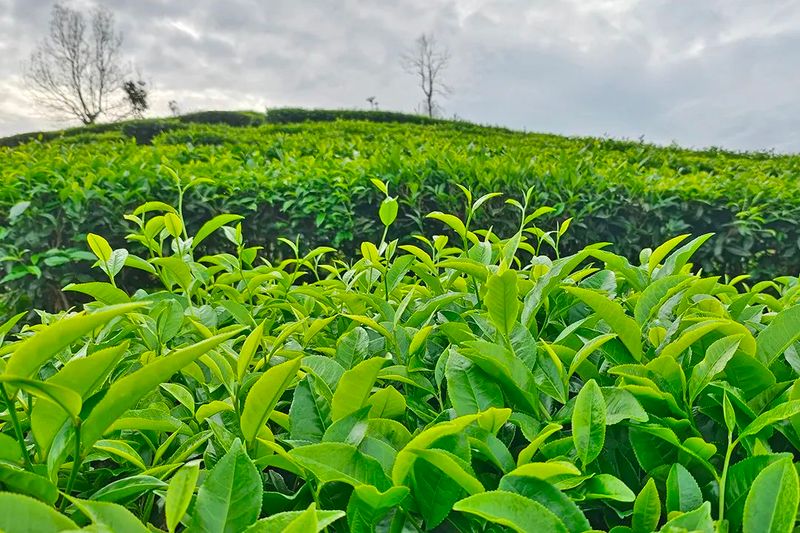
Want to Drink Good Tea? Understanding These Points is Enough!
People often say: 'One pound of Biluochun requires forty thousand spring buds.' Every strand of the richest tea aroma comes from countless ordinary drops of sweat. From planting, picking, processing to brewing, making a good cup of tea involves meticulous effort at every step. So, what exactly are t...
Tea News · Aug 10, 2025

To Understand Ripe Pu-erh Tea, You Just Need to Grasp These Six Points
Ripe Pu-erh tea may not have the varied flavors of raw Pu-erh, but it possesses its own unique characteristics. To appreciate its 'sweet, fragrant, mellow, thick, and smooth' qualities, focus on six key aspects: thickness, smoothness, moistness, sweetness, purity, and aroma. Thickness refers to the...
Tea News · Jul 31, 2025
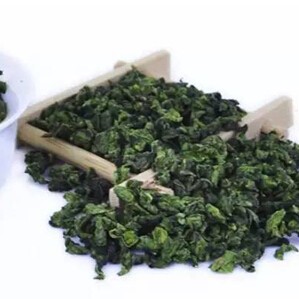
Tieguanyin tea does emphasize aroma, but stronger isn't necessarily better
Many beginners to Tieguanyin tea are often misled by merchants who emphasize strong fragrance as the sole indicator of quality. In reality, high-quality Tieguanyin grows in high-altitude mountainous regions with misty conditions and diffused sunlight, where tea leaves develop rich aromatic compounds...
Tea News · Jul 31, 2025
Master These Six Key Points to Truly Understand Ripe Pu-erh Tea
Ripe Pu-erh tea, though less varied in flavor compared to raw Pu-erh, possesses its own unique characteristics. To appreciate its 'sweet, fragrant, mellow, thick, and smooth' qualities, one must focus on six key aspects: thickness, smoothness, moistness, sweetness, purity, and aroma. Thickness refer...
Tea News · Jul 27, 2025
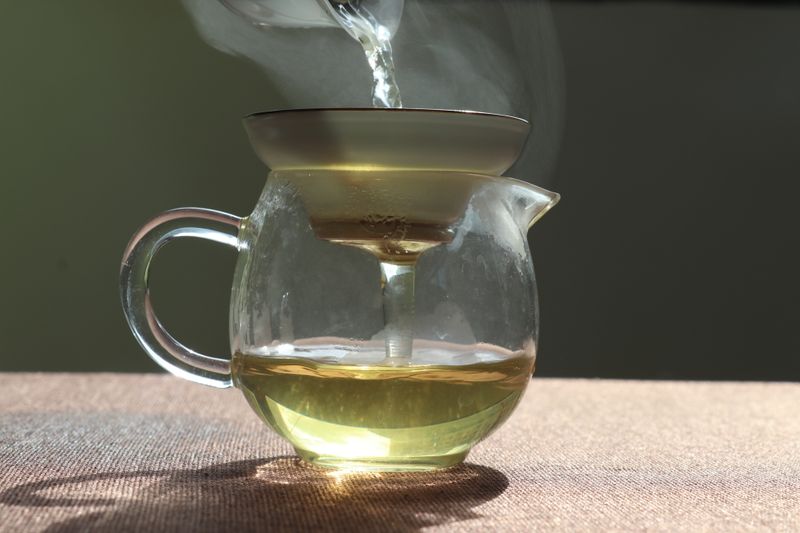
How to Identify Good Tea? Do You Know the Benefits of Drinking Spring Tea?
Spring tea captivates with its color, fragrance, taste, and charm, making it a highly sought-after delicacy. Its allure lies in its rich nutritional content, accumulated during the dormant winter months, resulting in plump buds, vibrant green hues, and tender leaves. The low temperatures of early sp...
Tea News · Jul 26, 2025

After tasting a cup of spring tea, it's like drinking the entire spring
Spring tea captures the essence of the season, offering a sensory journey through its delicate flavors and aromas. The process of harvesting and crafting spring tea is a meticulous art, passed down through generations. Each sip carries the freshness of spring, evoking a sense of renewal and connecti...
Tea News · Jul 25, 2025
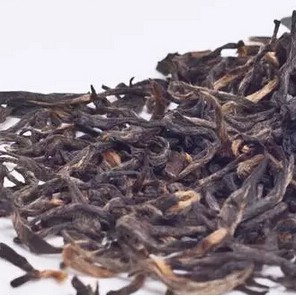
Nothing Warms the Heart Like Black Tea, How to Buy Delicious Black Tea?
Black tea, known for its warm and sweet fragrance, is versatile and can be enjoyed both plain and blended. To savor a good cup of black tea, it's essential to find one that suits your taste. How do you choose the right black tea for yourself? The key is to try it out! As consumers, how can we select...
Tea News · Jul 14, 2025
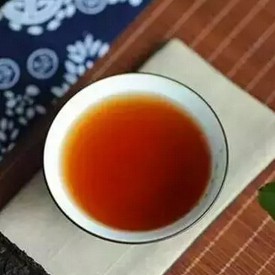
Learn a Little Every Day | General Tea Tasting Terminology
This article introduces the general terminology used in tea tasting, covering aspects such as the appearance of dry tea, the color of the tea soup, the aroma, the taste, and the condition of the tea leaves after brewing. It provides a comprehensive guide to understanding and describing the qualities...
Tea News · Jun 29, 2025