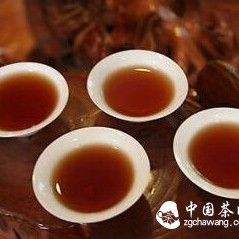
Introduction to the Liquor Color and Aroma of Aged Dark Tea
The infusion color of aged dark tea is bright red and clear, resembling aged wine, with no sediment or cloudiness. The taste is initially sweet, smooth, and rich, with a slight sour aftertaste; mid-stage it becomes purely sweet and refreshing. The aroma evolves from mellow and aged in early infusion...
Tea News · Jun 08, 2026
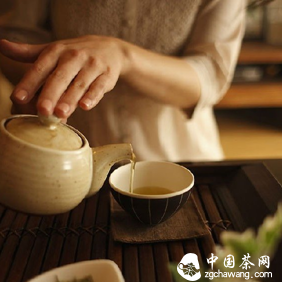
Let's Learn Tea Together
This article introduces 24 key terms for tasting tea, covering aspects such as tea character, quality, aroma, bitterness, astringency, sweetness, throat feel, and aging韵. It is suitable for beginners to systematically learn the professional vocabulary and experience of tea tasting....
Tea News · Jun 03, 2026
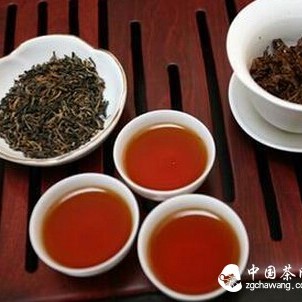
Tea Lovers, Come Answer the Questions!
This article answers seven common questions about tea, covering topics such as the brewing temperature for high-grade black tea, the distribution of tea regions in China, the impact of sunlight on tea flavor, whether more "golden flowers" in dark tea indicate better quality, the difference between w...
Tea News · May 20, 2026
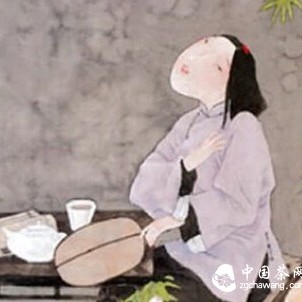
Three Aromas of Tea Tasting
The three aromas of tea tasting are the dry aroma, hot aroma, and cold aroma. The dry aroma involves smelling the dry tea for its fragrance or any unwanted odors. The hot aroma is perceived immediately after brewing, revealing notes like sweet, floral, nutty, or fruity scents with varying intensity....
Tea News · May 14, 2026
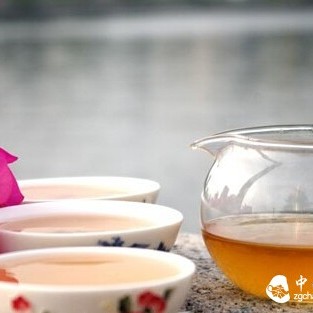
Six Classic Aromas: Let You Understand the "Shape" of Pu-erh Tea's Fragrance
Pu-erh tea is the most unique type of tea, becoming more fragrant with age. This article explains its complex aromas from different dimensions. It distinguishes between 'qi' (energy/scent and 'wei' (taste , and how aroma is perceived through the nose (smell and mouth (taste . The six classic aroma...
Tea News · Mar 25, 2026
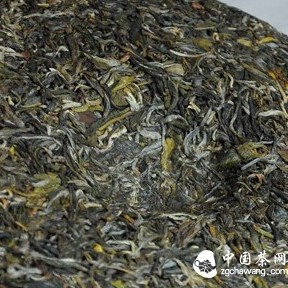
What is the legendary taste of Bingdao?
Bingdao tea, now a leading representative of Yunnan mountain teas, has rapidly become the signature tea of Mengku, Shuangjiang, Lincang, largely due to its distinctive 'Bingdao flavor'. This unique profile is characterized by several key attributes. First is its pronounced sweetness, where any inher...
Tea News · Feb 26, 2026
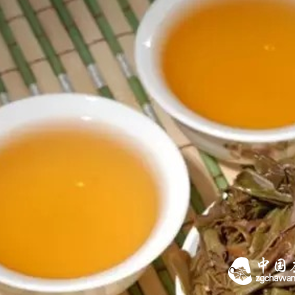
Exploring the Origin of Pu-erh Tea's Aroma
This article explores the origin of Pu-erh tea's aroma, focusing on the influence of regional factors. Using Yunnan's Xishuangbanna region as a key example, it explains how climate, soil, altitude, temperature, and rainfall collectively shape the tea's distinctive fragrance. The discussion draws an...
Tea News · Feb 13, 2026
I love Tieguanyin! How much do you know about it? (Part 2)
This article delves into the art of brewing Tieguanyin tea, emphasizing techniques like using a less dense filter and avoiding over-steeping lightly fermented varieties. It compares different types such as Qingxiang (light fragrance , Nongxiang (strong fragrance , and aged Tieguanyin, along with pro...
Tea News · Jan 30, 2026
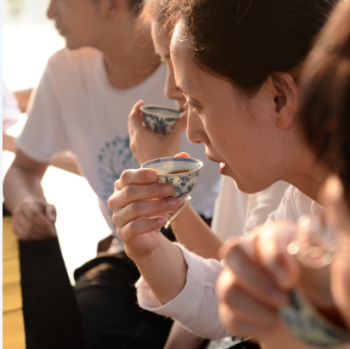
The Aroma of Pu-erh Tea: Refreshing and Heartwarming
The aroma of Pu-erh tea is not overly pronounced when brewed, but over time, one can discern whether it is a fine tea. The lingering fragrance at the bottom of the cup is another enchanting aspect of Pu-erh tea, evoking notes of honey, floral, fruity, or camphor-like scents that are truly mouthwater...
Tea News · Dec 10, 2025
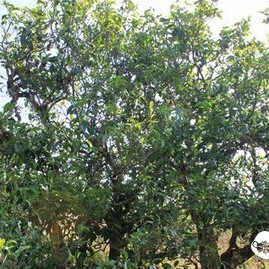
What Does Iceland Ancient Tree Tea Taste Like? Have You Ever Tried Authentic Iceland Tea?
Iceland tea, a representative of Mengku tea from Yunnan, is renowned for its unique 'Iceland taste.' This taste is characterized by four main features: rapid transformation of bitterness and astringency into pronounced sweetness, quick salivary secretion and sweet aftertaste, a thick and rich tea so...
Tea News · Sep 20, 2025