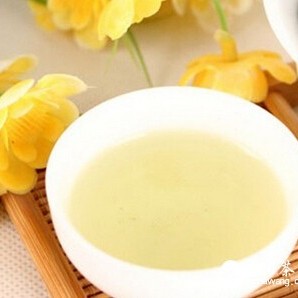
Encyclopedia of "Rumors" about the Benefits of Tieguanyin
Tea has long been regarded as a natural guardian of health. Tieguanyin, a representative of Chinese Oolong tea, is known for benefits such as weight loss, anti-aging, and improving heart health. This article explains the scientific reasons behind these effects, helping tea lovers better understand a...
Tea News · May 23, 2026
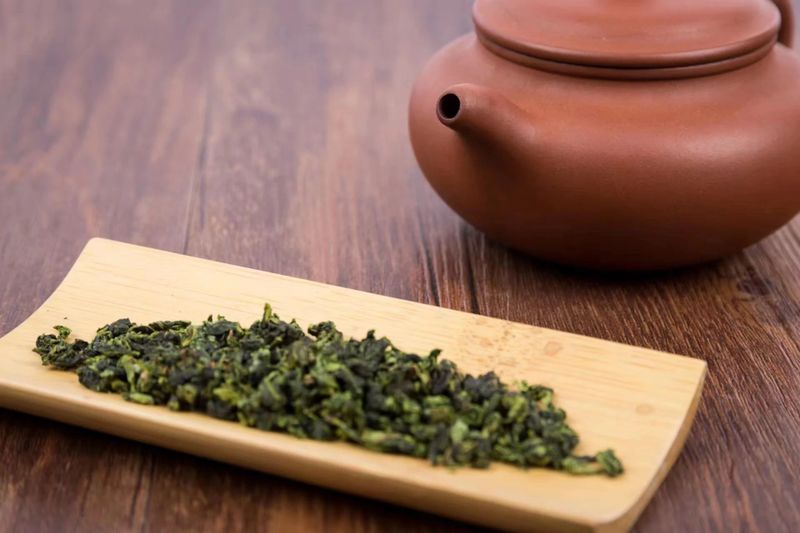
The Effects, Brewing, and Identification of Tieguanyin! Note...
Tieguanyin is a type of oolong tea that undergoes partial fermentation, combining the fresh aroma of green tea with the sweet mellow taste of black tea. It is rich in tea polyphenols, which act as free radical scavengers and can help delay aging, inhibit cardiovascular diseases, and promote fat meta...
Tea News · May 22, 2026
Experiencing the Tea Culture of Southern Fujian
People in Fujian love to drink tea, especially oolong tea. In Xiamen, the most famous tea is Anxi tea, with Tieguanyin being the top grade. Tieguanyin resembles green olives: slightly bitter at first, but gradually sweetens in the throat with endless charm. Locals call drinking tea 'brewing tea' (pa...
Tea News · May 21, 2026
How long is the shelf life of Tieguanyin?
There is no fixed shelf life for Tieguanyin. Commercially available lightly fermented Tieguanyin is best consumed within one to two months, and no more than three months at room temperature. Vacuum-sealed and stored at 3–5°C, it can last up to two years; the lower the temperature, the longer it keep...
Tea News · May 15, 2026
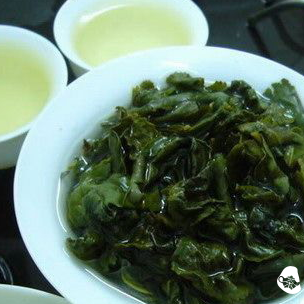
How to Select High-Quality Tieguanyin Autumn Tea
Tieguanyin, known for its rich fragrance and flavor, is highly favored by tea enthusiasts. As the autumn Tieguanyin tea hits the market, this article shares practical tips on how to distinguish high-quality autumn Tieguanyin, focusing on the four key steps: observe, listen, smell, and taste....
Tea News · May 11, 2026
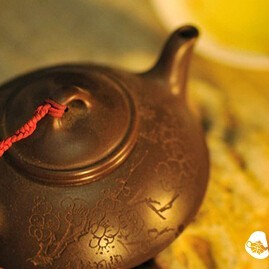
Winter Drinking Tieguanyin Has Its Considerations
Winter is here! Many people enjoy drinking a cup of hot tea in winter. So, is it good to drink tea in winter? What tea should be drunk in winter? How to prepare medicinal tea according to one's constitution? What are the precautions for drinking tea in winter? You may have considered these questions...
Tea News · May 10, 2026
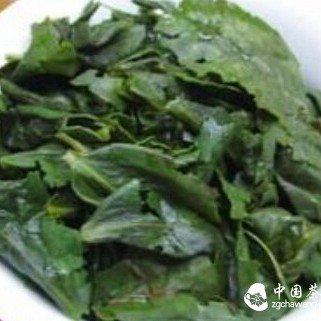
Tieguanyin: Beauty, Weight Loss, Anti-aging, Socializing and Mood Enhancement
Tieguanyin, a traditional Han Chinese famous tea, belongs to the oolong tea category and is one of China's top ten teas. Originating from Xiping Town, Anxi County, Quanzhou, Fujian, it has a natural orchid fragrance, pure and rich taste, and long-lasting aroma, earning the reputation of "retaining f...
Tea News · May 08, 2026
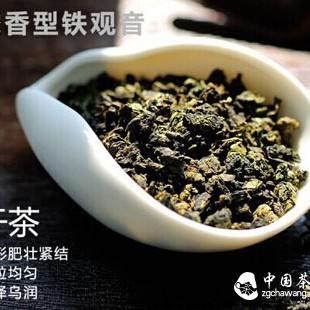
Here's How the Strong Fragrance and Light Fragrance of Tieguanyin Differ!
Tieguanyin is a famous Chinese oolong tea from Anxi, Fujian, known for its orchid fragrance and "Guanyin rhyme." The light-fragrance type, introduced from Taiwan in the 1990s, is greenish, light, and fresh, while the strong-fragrance type, the traditional Anxi style, is roasted darker, with a richer...
Tea News · May 07, 2026
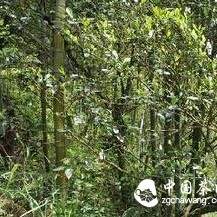
The Fascinating Legend of a Thousand-Year Tea History: The Road to Fame of Anxi Tieguanyin
Tracing its origins, tea cultivation in Anxi dates back at least to the late Tang Dynasty, with over a thousand years of history. Wild tea trees discovered in Jiandou and Xiping demonstrate Anxi's rich tea resources. During the Ming Dynasty, Xiping tea farmers invented Oolong tea processing techniqu...
Tea News · May 02, 2026
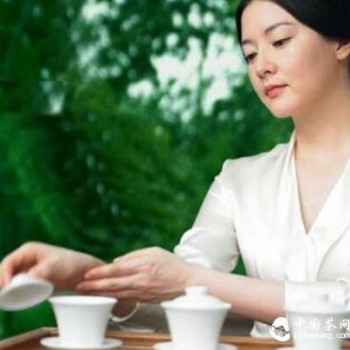
Eight Major Benefits of Tieguanyin Tea
Tieguanyin, originating from Anxi, Fujian, is a representative oolong tea and one of China's top ten famous teas. It is known for its unique 'Guanyin rhyme' and offers eight major health benefits, including anti-aging, cancer prevention, blood pressure reduction, diabetes prevention, weight loss, me...
Tea News · May 01, 2026