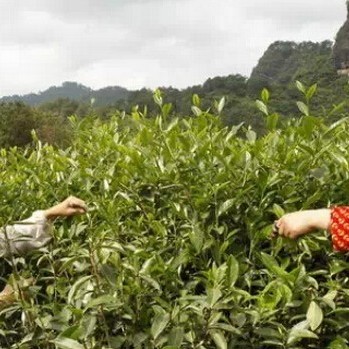
What You Need to Know When Buying Da Hong Pao
Da Hong Pao is a highly debated topic involving many aspects of Wuyishan rock tea and even deep-seated issues in Chinese tea studies. As a non-expert, I can only provide a brief introduction based on my knowledge. The term commonly refers to the six tea trees currently on the stone wall of Jiulongke...
Tea News · Apr 09, 2026
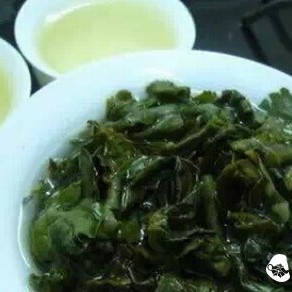
How to Distinguish Between the Strong Aroma and Light Aroma of Tieguanyin?
Tieguanyin, a famous Chinese oolong tea, is primarily divided into two main aroma types: Strong Aroma and Light Aroma. The key differences lie in their processing, appearance, and sensory profile. Strong Aroma Tieguanyin undergoes heavier roasting, resulting in a dark brown to near-black dry leaf, a...
Tea News · Apr 08, 2026
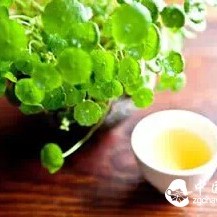
Winter Skin Dryness and Itching, Drinking Tea Can Prevent
In the cold and dry winter, many people suffer from seasonal skin itching, primarily due to excessively dry skin. This is especially common among the elderly, whose sebaceous and sweat glands secrete less. Drinking tea can help prevent skin itching because tea leaves contain manganese, a trace eleme...
Tea News · Apr 03, 2026
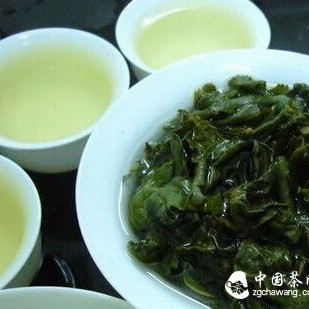
What kind of tea is Tieguanyin? Do you like to drink it?
Tieguanyin is a famous Chinese oolong tea originating from Anxi County, Fujian Province. It is semi-fermented, positioned between green and black tea, combining the freshness of green tea with the mellow sweetness of black tea. Renowned for its unique 'Guanyin Rhyme' and natural orchid aroma, it off...
Tea News · Mar 30, 2026
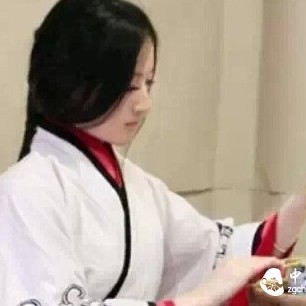
Which teas are better for weight loss?
Many people seek to lose weight by drinking tea. While various teas are often promoted for weight loss, Oolong tea (including traditional Tieguanyin is particularly recommended due to its unique properties. It helps reduce hunger, may decrease sleepiness, and contains tannic acid that aids in fat b...
Tea News · Mar 29, 2026
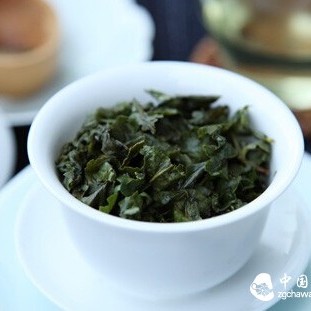
Distinguishing the Three Major Production Areas of Tieguanyin
This article focuses on introducing the distinct characteristics of autumn Tieguanyin tea from the three most famous production areas in Anxi: Xiping, Xianghua, and Gande townships. Gande tea is known for its strong aroma, light broth, and slight acidity, often called 'reform tea.' Xianghua tea is c...
Tea News · Mar 27, 2026
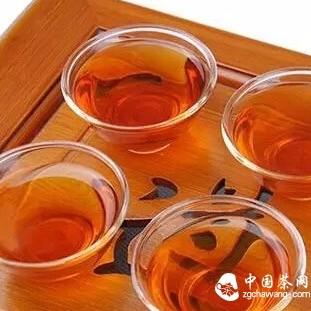
Why is it said that 99% of Jin Jun Mei is fake?
Jin Jun Mei is a premium Chinese black tea that originated from the innovative idea of using only bud tips of the original Zhengshan Xiaozhong tea plant. Its production area in Tongmu Village is extremely limited, with unique geographical and climatic conditions that cannot be replicated elsewhere....
Tea News · Mar 27, 2026
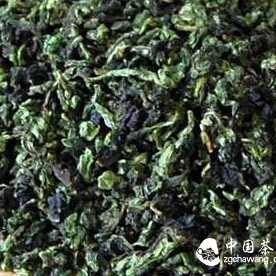
What Kind of Tea is Tieguanyin and Why is it Popular
Tieguanyin, originating from Xiping Township in Anxi County with a history of over 200 years, is a premium variety of Oolong tea. Its production involves a unique process: plucking mature 2-3 leaves (known as 'open-face plucking' , followed by sun-withering, shaking (for oxidation to develop natural...
Tea News · Mar 18, 2026
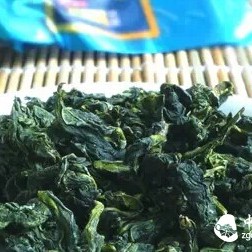
Health and Wellness: Drink More Anxi Tieguanyin Tea
Tea drinking, a daily habit and lifestyle, has evolved into a convenient path to wellness due to its recognized health benefits. Anxi Tieguanyin, a top Chinese oolong tea, is renowned for its rich aroma and mellow taste. It contains numerous antioxidant compounds and has a gentle nature, making its...
Tea News · Mar 18, 2026
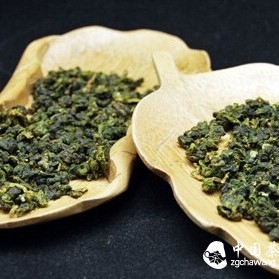
Is Tieguanyin Too Fragrant? The Role of Flavoring Agents? Teaching You How to Distinguish Whether Tea Has Added Flavorings
Some teas on the market smell very fragrant but lack a true tea taste when brewed, leading to suspicions that unscrupulous merchants have added flavorings. This article explains that a tea's aroma primarily depends on the tea plant variety, processing, and storage methods. While some low-quality tea...
Tea News · Mar 16, 2026