The editor also had similar doubts and couldn't figure it out, so they consulted two seasoned tea experts, one specializing in Yunnan Pu-erh tea and the other in Fuding White tea.
The occurrence of a watery taste is closely related to the essential nature of the tea leaves. Teas made during the spring season when there is more rainfall often have a watery taste. The rainier the year, the more likely this problem arises.
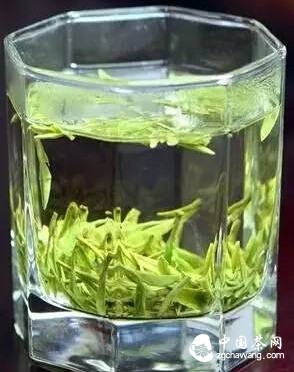
Drinking new tea immediately can result in a watery taste. Compressed tea cakes that aren't dried thoroughly may also have it, but it usually improves after a year of storage.
Another reason is poor storage where air gets in, such as opening the container multiple times on rainy days, which can easily cause the tea to absorb moisture. The same applies to tea cakes. The best method is to take out one or two when you want to drink and keep the rest well-packaged.
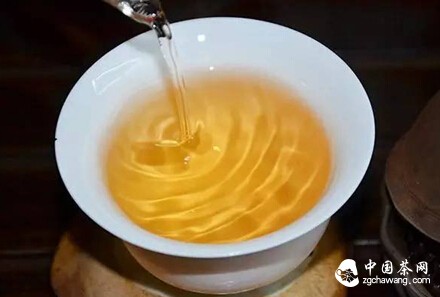
To remedy a watery taste later, use a low pour instead of a high one. A high pour brings out the aroma, while a low pour extracts the liquor. Alternatively, use a tea awakenener to aerate the tea more; tea with a watery taste should be aerated for an extra half month, ideally a full month.