According to the ancient medical text 'Compendium of Materia Medica,' bitter buckwheat is bitter in taste and mild-cold in nature, with effects such as 'strengthening the stomach and intestines, boosting energy, revitalizing the spirit, benefiting hearing and vision, and cleansing the five organs of waste.' Bitter buckwheat tea is divided into black bitter buckwheat and common bitter buckwheat tea. So, what are the benefits of black bitter buckwheat tea? There are certain differences between black bitter buckwheat tea and regular bitter buckwheat tea, with black bitter buckwheat tea having relatively better regulatory effects on the body, benefiting both physical and mental health. Today, we will detail the efficacy and functions of black bitter buckwheat tea. Let’s take a look at the content below.
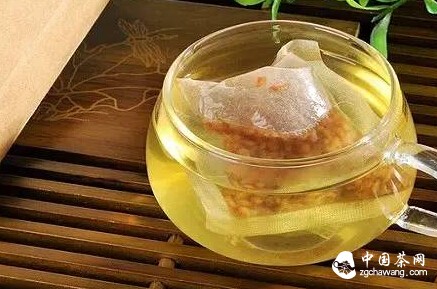
1. Lowering blood sugar and lipids: Bitter buckwheat bioflavonoids can promote the recovery of pancreatic β-cells, reduce blood sugar and serum cholesterol, improve glucose tolerance, and counteract the blood sugar-raising effects of adrenaline. At the same time, they can inhibit aldose reductase, thus helping to treat diabetes and its complications.
2. Effects on blood vessels: What are the benefits of black bitter buckwheat tea? The rutin and other compounds rich in bitter buckwheat bioflavonoids have vasodilating effects, while quercetin and morin can improve the contraction and relaxation functions of vascular smooth muscle.
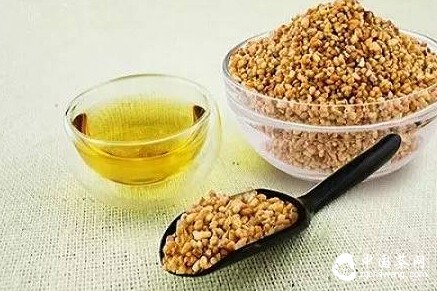
3. Antibacterial and antiviral effects: Studies have confirmed that quercetin, morin, and kaempferol rich in bitter buckwheat bioflavonoids have antibacterial and antiviral effects. Clinical applications of these flavonoids have shown remarkable efficacy in promoting tissue regeneration, reducing inflammation, and relieving pain for ulcers caused by various reasons.
4. Antioxidant effects: The inhibition of automatic oil oxidation is primarily driven by the 3-OH, 5-OH, 4-carbonyl groups, and the double bonds at the 2,3 positions. The ability to inhibit oil oxidation follows the order: quercetin > morin > rutin.

5. Anti-cancer and cancer-preventive effects: The quercetin and other flavonoid compounds in bitter buckwheat bioflavonoids primarily achieve anti-cancer and cancer-preventive effects through three pathways: anti-free radical activity, direct inhibition of cancer cell growth, and counteracting carcinogenic factors. The pentahydroxyflavonoids contained in Tartary buckwheat bioflavonoids are preferred drugs for cancer prevention, treatment, and therapy.
6. Liver-protective effects: Bitter buckwheat bioflavonoids have certain therapeutic effects on acute and chronic hepatitis, cirrhosis, fatty liver, and toxic liver damage induced by substances like galactosamine and CCl4. Studies show that bitter buckwheat bioflavonoids significantly inhibit the increase in malondialdehyde (MDA, a product of liver lipid peroxidation) caused by CCl4. They can reduce the leakage of soluble enzymes such as transaminases from liver cells, thereby lowering their activity. The liver-protective mechanism of bitter buckwheat bioflavonoids ultimately lies in their antioxidant and anti-free radical effects.

7. Anti-UV effects: The quercetin and other flavonoid compounds rich in bitter buckwheat bioflavonoids act as light-shielding agents, capable of absorbing ultraviolet rays. They protect biologically active substances like ascorbic acid from oxidation, maintaining their activity. As excellent antioxidants, their chelating effects and gene expression significantly reduce fat oxidative degeneration. Particularly notable are their effects on skin care, rejuvenation, vascular health, and anti-inflammatory properties, earning them the title of 'skin nutrients.'