Wuyi Rock Tea's Four Famous Bushes include Dahongpao, Shuijingui, Tieluohan, and Baijiguan. Tea enthusiasts who enjoy rock tea are likely very familiar with these four famous bushes! Besides being delicious, the most important aspect is their tea efficacy, especially when brewed with other Chinese herbs, which enhances their health preservation effects!
Dahongpao
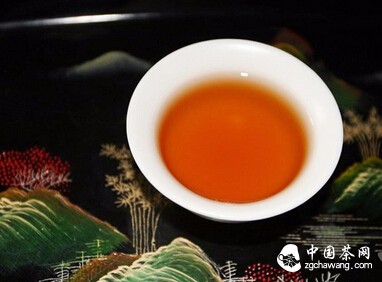
Dahongpao stands out among the Four Famous Bushes and is known as the 'King of Wuyi Tea.' With a higher fermentation degree, Dahongpao is warm in nature and not cold, helping to refresh the mind and invigorate the spleen. Locals often combine Dahongpao with black plum and dried ginger to make a traditional medicine specifically for treating colds, headaches, and spleen and stomach deficiencies. Use 3-6g of tea, 3 black plums, and one slice of dried ginger per brew, with a water volume of 150 to 200 milligrams being ideal.
Tieluohan
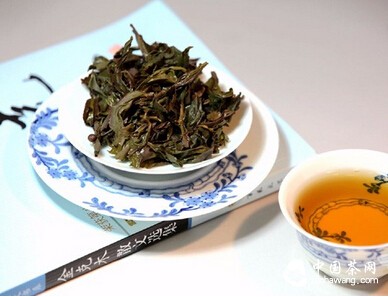
Tieluohan helps to unblock meridians and remove dampness while warming the spleen and harmonizing the stomach, making it suitable for those prone to dampness and heat. Take 6g each of anemarrhena and fritillaria, rinse and steep them in mineral water for two minutes, then brew with hot water. Add 3g of Tieluohan and steep for another minute. This tea is effective for treating high fever and excessive thirst due to lung fire, while also clearing heat, moistening the lungs, dispelling wind and cold, and promoting blood circulation.
Baijiguan
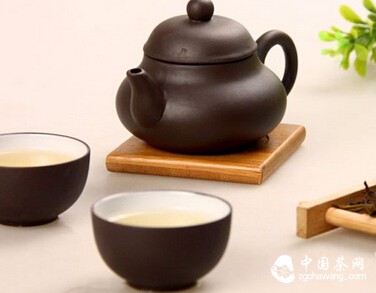
Unlike Dahongpao, Baijiguan is a lightly fermented tea among Wuyi Rock Teas, making it ideal for clearing summer heat and resolving stagnation during hot summers. Take 10g each of mulberry leaves and white chrysanthemum, 3g of licorice, and 800 milliliters of Baijiguan tea water. Wash the mulberry leaves, licorice, and white chrysanthemum, boil for ten minutes, strain the liquid, and mix it with the Baijiguan tea water. This helps alleviate wind-heat colds and red, dizzy eyes.
Shuijingui
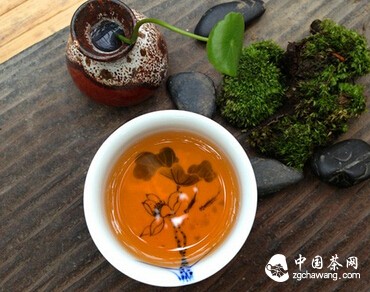
Shuijingui is rich in polyphenols, leaving one feeling refreshed after drinking, and it is particularly suitable for winter consumption. If brewed with wolfberry leaves, it enhances kidney nourishment and yin tonification. Simply dry and roast the wolfberry leaves, then brew them with Shuijingui for a hot drink.