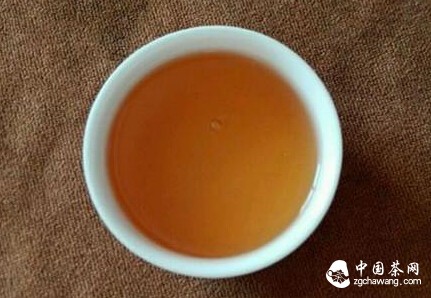
What are the characteristics of Yunnan Pu-erh Tea? How should one choose? This is the first question many new Tea friends ask when they first come into contact with Pu-erh tea.
To understand Pu-erh tea, besides its origin, raw materials, and taste characteristics, my suggestion is to first distinguish between raw and ripe, tea mountains, ancient tree, and blending. Then, choose the tea product that suits you based on your physical condition.
I. Distinguishing Raw and Ripe
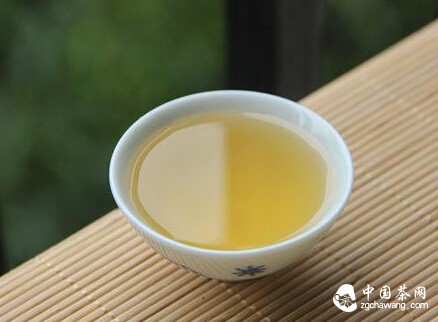
1. Raw tea is a product made through steps such as fresh leaf picking, fixation (kill-green), rolling, drying, and steam pressing. New raw tea has a stimulating taste, mostly偏向 bitter, astringent, and with a grassy taste. If it's a product from some famous tea mountains, the bitterness and astringency may not be obvious. For example, Bingdao and Xigui.
2. Ripe tea, besides the processes of fresh leaf picking, fixation, rolling, and drying, has the most important additional step: fermentation. Pile fermentation (Wo Dui) is a rapid ripening process where the raw mao cha is divided into even piles, and professional fermentation masters sprinkle water for pile fermentation. The technique in this step directly affects the quality of the ripe tea. Some products on the market that develop a sour taste might be due to issues in the fermentation stage.
If a ripe tea less than five years old has a noticeable pile flavor when drunk (especially new tea), ripe tea入口 has almost no bitterness or astringency, the soup is mellow, thick, and soft. Newly made ripe tea is thermally hot in nature; drinking too much can easily cause internal heat (上火). Ripe tea over five years old is warm in nature, smooth, refreshing, sweet, mellow, and fragrant, with no pile flavor.
II. Distinction of Tea Mountains
Areas in Yunnan that produce Pu-erh tea are mainly concentrated in three major regions: Xishuangbanna, Lincang, and Pu'er City. Each tea region has well-known mountain villages, such as Ban Zhang, Lao Man E, Yi Wu in the Xishuangbanna tea region; Jingdong Wuliang Mountain in Pu'er City; Bingdao, Xigui in Lincang; these mountains are all familiar names in the Pu-erh tea world. Among them, the Xishuangbanna tea region has the largest number of famous mountains, manufacturers, brands, and production output.
If you are a tea friend who has just come into contact with Pu-erh tea, it is advised not to casually choose these famous mountains, because products from areas like Lao Ban Zhang and Bingdao have limited annual产量. And they are expensive; the current market price for genuine ancient tree Lao Ban Zhang or Bingdao is around 5000 yuan per kilogram. For price reference, please check the price channel on说茶网 (Speaking Tea Website).
Due to the high知名度 and unique taste of Ban Zhang and Bingdao, there are particularly many counterfeit and shoddy products on the market. Please choose carefully. It is recommended that new tea friends start with some ordinary brands first, and after accumulating some experience themselves, then consider these famous mountains.
III. Blending vs. Ancient Tree
The purpose of blending is to complement strengths and compensate for weaknesses, integrating products from different areas to maximize advantages and offset缺点互相弥补. Currently, most larger Pu-erh tea brand manufacturers use blending.
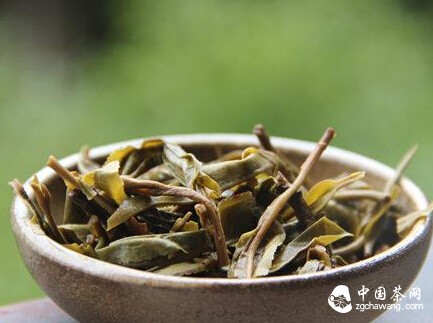
Ancient tree tea is a concept that has risen in popularity in recent years. It refers to tea products made from leaves picked from tea trees in a specific area that have reached a certain age (the market generally refers to over 100 years), without mixing in raw materials from other areas; this is called ancient tree pure material. However, ancient tree pure material accounts for a very small proportion in the Yunnan Pu-erh tea industry, at most only 5% of the market share. Other products are replaced by terrace tea (Tai Di), small tree tea, and blended tea.