Disclaimer: Image source network, if infringing, please inform
Due to people not paying attention to developing good dietary habits in daily life, it leads to stomach problems. So what kind of tea is good for nourishing and protecting our stomach? Let's find out together!
What are the stomach-nourishing teas?
1. Black Tea
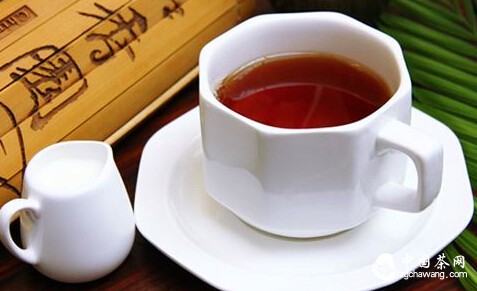
Black tea is made through fermentation and baking. Tea polyphenols undergo enzymatic oxidation under the action of oxidase, their content decreases, and thus the irritation to the stomach is reduced. Black tea not only does not hurt the stomach but can actually nourish it. Regularly drinking black tea with sugar or milk can reduce inflammation, protect the gastric mucosa, and also have a therapeutic effect on ulcers.
For black tea to achieve a certain stomach-nourishing effect, it is recommended not to brew it too strong. Adjust the taste by the amount of tea leaves and water; generally, 3-5g of tea leaves is sufficient for most people. Maintaining a tea-to-water ratio of about 50:1 will usually result in a clear, refreshing, and sweet-tasting brew. It's best to brew black tea in an open cup. Don't wait until the cup is empty to add more hot water; it's best to top up when about 1/3 of the water remains. The flavor is optimal after topping up the water three times per cup.
2. Green Peel Gynostemma Pain-Relief Tea
Gynostemma tea has the functions and effects of strengthening the spleen and stomach, slimming the body, activating normal human cells, relieving fatigue, having hypnotic, calming, and anti-stress effects, treating migraines, and possessing anti-inflammatory, anti-gastric ulcer, and anti-tumor properties. Green peel 10g, Gynostemma 6g. Sort, wash, sun-dry or oven-dry the green peel and gynostemma separately, grind them into coarse powder, put into a filter paper bag, seal and hang a string, place in a cup, brew with boiling water, cover and let steep for 15 minutes before drinking. Drink frequently, generally can be brewed 3-5 times. Tonifies the spleen and stomach, detoxifies and resists pathogens. Suitable for patients with Qi-stagnation type stomach pain.
3. Chinese Wolfberry Red Date Ginger Tea
Red dates are rich in protein and vitamins, good for nourishing the stomach, protecting the liver, and detoxifying against cancer, while Chinese wolfberry (Goji), besides improving eyesight, also has effects of lowering blood pressure and blood sugar. Adding ginger can also disperse wind-cold and prevent colds. Boiling these three in water can enhance immunity and improve symptoms like stomach discomfort and dry mouth. Goji berries 20 pieces, red dates 6 pieces, ginger 3 slices. Soak the goji berries in warm water for 2-3 minutes, make a cut on the red dates with a knife; put the soaked goji berries and red dates into a clean, oil-free pot, add 800ml of water, bring to a boil over high heat; after boiling, add the ginger slices, turn to low heat, cover the pot, and simmer for 5 minutes.
4. Four Gentlemen Tea
Four Gentlemen Tea contains ginsenosides, sugars, amino acids, and various vitamins, which have good regulatory effects on the central nervous, cardiovascular, and endocrine systems, can aid digestion, and improve symptoms of spleen and stomach Qi deficiency. This formula mainly treats general weakness caused by impaired spleen and stomach function. Dangshen (Codonopsis) 10g, Poria 10g, Baizhu (Atractylodes) 10g, Licorice root 10g. Put all ingredients into a pot, add 800ml of water, heat until boiling, then continue boiling for 5 more minutes before turning off the heat. Drink while hot. Do not exceed 800ml per day.
5. Buckwheat Tea
According to the "Compendium of Materia Medica", buckwheat has the effect of "strengthening the intestines and stomach, boosting energy, and continuing vitality". Buckwheat contains a large amount of rutin, cellulose, selenium, vitamins, and other nutrients. It is not only suitable for preventing and treating hyperlipidemia, hypertension, and diabetes but also for preventing obesity, digesting fat, and maintaining normal cardiovascular function. Buckwheat 1 qian (~5g), Astragalus root 5 qian (~25g). Put the buckwheat and astragalus into 600ml of hot water for brewing, cover the cup and steep for 10 minutes, filter out the residue and take the liquid. This formula can improve physical weakness, night sweats, abdominal bloating, and poor appetite, promote spleen and stomach function, and increase appetite.
6. Pu'er Tea
The "Supplement to the Compendium of Materia Medica" records, "Pu'er tea has a bitter nature and strong character, resolves the toxicity of oily and meaty foods -- cleanses the intestines and promotes excretion", possessing digestive functions. Pu'er tea has a mild nature. At an appropriate concentration, drinking Pu'er tea does not irritate the gastrointestinal tract. The smooth, mellow, and rich Pu'er tea forms a protective membrane attached to the surface of the stomach after entering the human gastrointestinal tract. Therefore, long-term consumption of Pu'er tea can nourish and protect the stomach. The brewing method also greatly affects the taste of Pu'er tea. It is best to use a purple clay teapot, put in an amount of tea leaves about 2/5 of the pot's volume, add boiling water and brew briefly. When boiling water, it should not be over-boiled, as too little oxygen in the water will affect the activity of the tea leaves.
7. Osmanthus Tea
Traditional Chinese medicine believes that osmanthus has great medicinal value. The ancients said that osmanthus is the leader of hundreds of medicines, so wine brewed with osmanthus can achieve the effect of "drinking it prolongs life for a thousand years". Osmanthus is warm in nature and pungent in taste, enters the lung and large intestine meridians. Taken as a decoction, tea, or infused in alcohol, it has the effects of warming the middle and dispelling cold, warming the stomach and relieving pain, resolving phlegm and dispersing stasis. It has a certain therapeutic effect on poor appetite, phlegm cough and asthma, hemorrhoids, dysentery, and amenorrhea with abdominal pain. In addition to drinking osmanthus tea, you can also mix osmanthus with pure lotus root powder and sugar to make osmanthus lotus root paste, which is delicious and appetizing; or take high-quality small red dates, cook with sugar, and when the soup is almost reduced, add osmanthus to make osmanthus honey dates that strengthen the spleen and stimulate appetite.
8. Barley Tea
Barley tea has a very obvious spleen-strengthening effect, especially for patients who experience symptoms like chest tightness and abdominal distension due to overeating. Simply roasting barley until black, grinding it, and taking it can effectively relieve discomfort. Particularly for groups with relatively weak spleen and stomach functions, such as children and the elderly, they should drink more barley tea in daily life to regulate and nourish the spleen and stomach, thereby preventing various gastrointestinal diseases. Loose barley tea can be boiled in a pot: a handful of barley tea plus two liters of water, boil for about 15 minutes, or after boiling, pour into a teapot for multiple infusions. If it's bagged barley tea, just brew with boiling water.