Pu-erh tea has been a hotspot for investment and collection in recent years, but many people do not understand what type of Pu-erh tea is suitable for collection and often choose varieties with little investment value.
Below, the author will introduce some common mistakes made when collecting Pu-erh tea, hoping that investors and collectors can learn how to choose Pu-erh tea correctly and avoid blind collection and investment.
Unlike other teas that are best consumed fresh, Pu-erh tea becomes more flavorful with age. Especially since Pu-erh tea has high preservation value, lasting up to ten or even a hundred years, which has attracted many investors and collectors to sense the "business opportunity" in it.
According to reports, the average price increase of high-end Pu-erh tea has been over 20% annually in recent years, a return that far exceeds many industries and even surpasses the returns from real estate speculation. However, many people do not understand what type of Pu-erh tea is suitable for collection and often choose varieties with little investment value.
Blindly Pursuing "Aged" and "Ancient"
Many collectors believe that the older the year indicated on the packaging and the more expensive the Pu-erh tea, the higher its collection value. Thus, they blindly pursue Pu-erh teas from the 1960s and 1970s. In reality, Pu-erh teas stored for 20-30 years are already rare, and those aged 40-50 years or more are even scarcer. Some so-called "aged cakes" on the market priced at thousands of yuan are actually new teas intentionally made to look old by unscrupulous manufacturers and sellers who take advantage of consumers' focus on vintage. The cost of such teas is only a few yuan.
Believing Tea Cake Aging Guarances Big Profits
Almost everyone familiar with Pu-erh tea knows that it "improves with age," leading some to believe that aging raw tea cakes can yield significant profits. However, they may not realize that the aging of Pu-erh tea is a highly specialized technique, and it is not easy for ordinary collectors to age and store it at home.
This is because the aging of Pu-erh tea is influenced by factors such as time, light, temperature, air, humidity, and environment. Different storage conditions and temperatures can greatly affect the quality of the tea. Moreover, Pu-erh tea cannot be stored sealed; it must be exposed to air to allow continuous oxidation. However, tea also easily absorbs odors, and it is difficult to find a spot in a household that remains odor-free for several years or even decades. Once the tea absorbs other odors, it becomes worthless.
Older Is Always Better
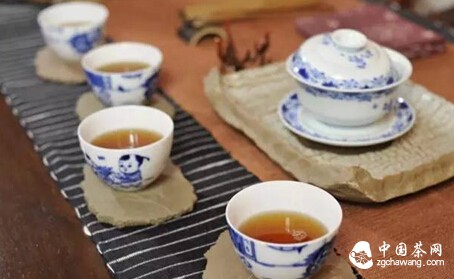
Those who have tasted aged tea may have a deep understanding: aged Pu-erh tea melts in the mouth, evokes a spring-like sensation under the tongue, and has a deep, rich aroma with a strong sense of time. The strong, astringent, and bitter taste of new tea is gone, and the green or yellow brightness of the tea soup is replaced by a crystal-clear reddish-brown. In the 1970s, experts brewed a century-old "human head" tea cake from the Imperial Palace and found that it had only a dark red soup color and no flavor left. This was due to excessive aging over too long a period.
Moldy Tea Cakes Are Considered Good Tea
Many people interested in collecting and investing in tea do not actually understand tea. When selecting Pu-erh tea, they often judge its quality based on the external packaging, brand, or color of the tea leaves. Some even believe that only moldy tea cakes are good Pu-erh tea. This misconception has influenced many people's judgments. In fact, moldy tea should not be consumed, as drinking it can cause significant harm to health.
Blindly Chasing Mountain Teas
Many collectors assume that any tea labeled as from a famous mountain region has collection value. However, the yield of many well-known mountain teas has been decreasing. To meet demand, some manufacturers blend terrace teas as the inner material and wrap them with famous mountain teas, selling them as pure mountain teas. Some even directly package and sell terrace teas as famous mountain teas.
Finally, the author would like to add a few more words: there is no foolproof method to distinguish the vintage or origin of Pu-erh tea. Methods such as examining the appearance of the tea leaves, observing the soup color and residue, or tasting often prove ineffective. Experience is the key to identification. As collectors drink Pu-erh tea over time and sample more varieties, they will gradually be able to distinguish authenticity. Therefore, beginners and investors should exercise caution when encountering these two situations to avoid misjudgments and unnecessary losses.