Where Do You Actually Come From, 'Daughter Tea'?
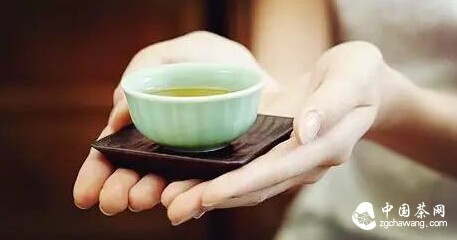
The name "Daughter Tea" is long-familiar, but it only exists in stories and legends. When I first read "Dream of the Red Chamber" years ago, I learned that the young master of the Jia family often drank Daughter Tea, but what kind of tea this Daughter Tea actually is remains undetermined to this day.
The Name "Daughter Tea"
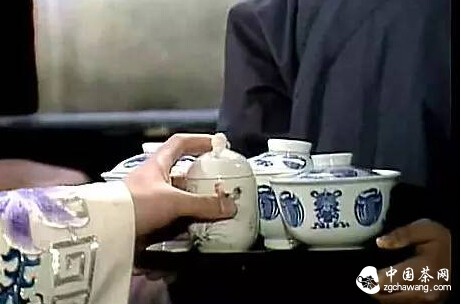
In Chapter 63 of "Dream of the Red Chamber," it is written that Lin Zhixiao's wife brought several women to the compound for the night patrol and asked if Baoyu was asleep. "Baoyu hurriedly smiled and said: '...I ate noodles today and was afraid of indigestion, so I played a bit longer.' Lin Zhixiao's wife then said to Xiren and others: 'You should brew some Pu'er Tea for him.' Xiren and Qingwen hurriedly said: 'We've brewed a pot of Daughter Tea, and he has already drunk two bowls....'"
The name "Daughter Tea" brings joy to one's heart upon hearing it. No wonder Baoyu said: "Girls are made of water!" Drinking it makes one feel as if they instantly develop the delicate and clever heart of a young woman.
But regarding the origin and identity of Daughter Tea mentioned here, Redology researchers have been engaged in endless debate and controversy. "Dream of the Red Chamber" is constantly filled with tea matters. Following the previous debate about whether the White Tea Grandmother Jia drank was "Baihao Yinzhen" or "Old Shou Mei," now it's Daughter Tea's turn under scrutiny. In the public eye, is this tea the Daughter Tea from Mount Tai, or is it the Daughter Tea from Yunnan Pu'er tea?
Taishan Daughter Tea
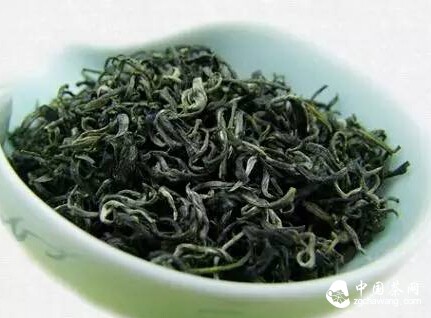
There is no record of "Daughter Tea" in the "Classic of Tea," but this "Daughter Tea" does indeed exist. Although "Daughter Tea" is not a type of tea in the strict sense, it is a beverage even more esteemed than tea. According to the Ming dynasty writer Li Rihua's "Miscellaneous Records from the Purple Peach Studio": "There is no good tea on Mount Tai. The mountain people pick young phoenix tree buds to brew and drink, calling it Daughter Tea."
It is also seen in "History of Mount Tai" compiled by Zha Zhilong et al. in the late Ming dynasty: "Tea is sparsely produced in the valleys and cliffs... Mountain people pick young phoenix tree buds, called Daughter Tea." Thus, this "Daughter Tea" was made from young phoenix tree buds and originated in Shandong. But this "Daughter Tea" does not belong to the true category of tea.
To be precise, the earliest Taishan Daughter Tea was not tea in the true sense. It wasn't until 1966 that Mount Tai began truly introducing tea plants and continued using the name "Daughter Tea."
Yunnan Daughter Tea
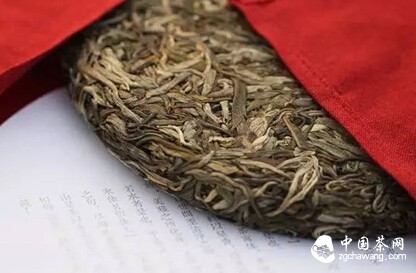
Some also believe it should refer to the Daughter Tea within Yunnan Pu'er tea. In literature about Pu'er tea, there are two interpretations of Daughter Tea.
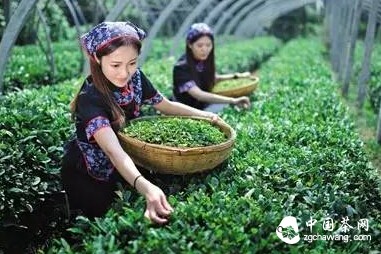
"New Tales of Southern Yunnan" records: "There are several kinds of Yunnan tea, the popular ones are Mubang and Pu'er. Among the precious varieties of Pu tea, there are names like Maojian, Ya Tea, and Daughter Tea. Daughter Tea is also a type of bud tea, picked after Grain Rain, made into lumps weighing from one to ten jin. All are picked and processed by minority women, sold for silver to accumulate dowry funds, hence the name." This means that the Daughter Tea in Pu'er tea was picked by young women who sold it to save money for their dowries, thus it was called "Daughter Tea."
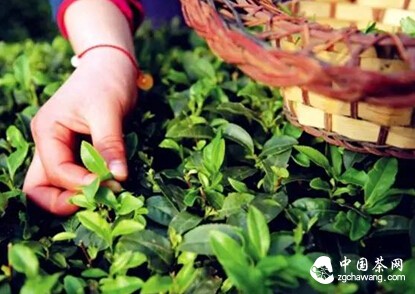
However, Ruan Fu's "Record of Pu'er Tea" from the Qing dynasty states: "That picked in the third and fourth months is called Xiaoman Tea; that picked in the sixth and seventh months is called Guhua Tea. Large and round ones are called Tight Ball Tea; small and round ones are called Daughter Tea. Daughter Tea is picked by women before the rains [i.e., before Guyu], and it is the ball tea weighing four liang."
Which one is the true "Daughter Tea"? It's a pity that the "Taishan faction" and the "Yunnan faction" have been contending for years without a decisive victory, neither able to conquer the other, standing as the "Twin Warriors of the Martial World," one in the south and one in the north.
So, where there is tea, there is also a martial world; where there is tea, there must be disputes.
Isn't this Daughter Tea dispute just a struggle over naming rights?