Autumn is dry, so it's necessary to drink more water. Using some Chinese herbs to brew drinks can also moisturize dryness. So, what should you brew in autumn? Ophiopogon japonicus (Maidong), wolfberries, Chinese dates, and chrysanthemums are good choices. Specifically, what should you brew in autumn? The editor will introduce it to you.
What to brew in autumn?
The diet in autumn should focus on nourishing yin and moistening the lungs. You can choose Ophiopogon japonicus, wolfberries, Chinese dates, etc., to brew in water. In addition, people with a cold constitution should drink black tea, those with a damp-heat constitution should drink green tea, and people with strong liver fire and dry eyes should drink chrysanthemum tea.
1. Ophiopogon Japonicus (Maidong)
In dry autumn weather, people often feel dry mouth and sore throat. Using some Ophiopogon japonicus at this time can promote fluid production and moisten dryness. Ophiopogon japonicus is sweet, slightly bitter, and slightly cold in nature. It can nourish yin and moisten the lungs, benefit the stomach and promote fluid production, clear the heart and relieve restlessness, and moisten dryness and lubricate the intestines. It is used for symptoms such as dry throat and nose caused by yin deficiency, dry cough, coughing up blood, thirst, irritability, forgetfulness, palpitations, and dry constipation.
2. Chrysanthemum
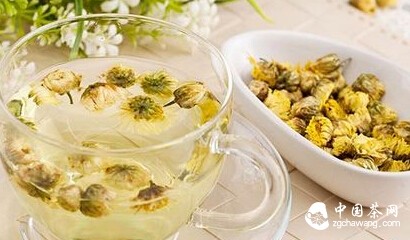
In dry autumn, many people like to drink some floral tea, and chrysanthemum tea is the first choice for many. Drinking more chrysanthemum tea in autumn not only moisturizes and clears heat but also removes germs from the body and enhances immunity. Office workers who often use computers can indeed benefit from drinking chrysanthemum tea for eye care.
3. American Ginseng
To relieve autumn fatigue and discomfort, you can brew American ginseng in water. American ginseng has obvious anti-fatigue, refreshing, and certain nourishing and qi-benefiting effects. For example, slice American ginseng, take 5-10 grams each time, and brew it with boiling water. It can be taken alone by brewing or holding in the mouth, or added to tea leaves for brewing.
4. Red Dates (Chinese Dates)
For office workers who spend long hours in front of computers and often work overtime late into the night, persistently drinking red date brewed water can help detoxify the liver. It is recommended to tear the red dates before brewing them in water because the skin of red dates is tough and not easy to digest. Brewing them whole makes it difficult to completely dissolve the effective components, greatly reducing their efficacy.
5. Wolfberries (Goji Berries)
Wolfberries have effects such as relieving fever, treating diabetes, and relieving cough and reducing phlegm. Boiling wolfberry roots and drinking the decoction can lower blood pressure. Wolfberry tea also has effects in treating conditions like cold constitution, sexual coldness, stomach health, liver and kidney diseases, tuberculosis, constipation, insomnia, low blood pressure, anemia, various eye diseases, hair loss, stomatitis, and skin care.
6. Jasmine
Jasmine tea is a fragrant tea drink. This type of floral tea usually has the effect of invigorating the spleen and stimulating the appetite, which can promote appetite and aid digestion. If you experience symptoms of autumn dryness such as poor appetite, dry throat and mouth, bad breath and toothache, or accompanied by abdominal distension and constipation, you can drink more jasmine tea. This can not only promote fluid production and quench thirst but also has good health benefits.
7. Monk Fruit (Luo Han Guo)
From the perspective of traditional Chinese medicine, monk fruit has the effects of clearing heat and moistening the lungs, relieving cough and sore throat, and lubricating the intestines to promote bowel movements. Consuming monk fruit now is very beneficial for reducing fire and moistening the lungs. Monk fruit is very effective in treating acute tracheitis, acute tonsillitis, etc. Using it to brew water is an excellent beverage that can both refresh and promote fluid production and prevent respiratory infections. The simplest method is to break the monk fruit into pieces and brew them in water.
8. Roses
Rose tea, this type of beauty and skincare floral tea, can not only beautify the complexion and moisturize the skin but also relieve depression and promote blood circulation, treat dysmenorrhea, and improve irregular menstruation. In autumn, as temperatures drop and the weather becomes dry, female friends can drink more rose tea to moisturize and combat dryness, nourish blood, and warm the stomach, which is very helpful for women's health.
9. Lotus Seed Heart (Lian Zi Xin)
In autumn, the climate is cool, which greatly improves sleep conditions, but if not paid proper attention to, sleep quality can be affected. For friends with high blood pressure or poor sleep, you can also take 3 grams each of lotus seed heart and raw licorice, brew them with boiling water as tea, and drink several times a day. This has the effects of clearing the heart, calming the nerves, and lowering blood pressure.
10. Lily Flowers
Dry throat and cough symptoms are prone to occur in autumn and winter, so it is necessary to focus on "nourishing yin." From the perspective of traditional Chinese medicine for nourishing yin, lily flower tea is a good choice. Lilies have the effects of reducing fire and calming the nerves, moistening the lungs, and reducing phlegm. They have significant effects in treating yin deficiency cough, excessive phlegm due to fire, insomnia, and dream-disturbed sleep.
11. Osmanthus Flowers (Gui Hua)
In the cold season, drinking some osmanthus tea can warm the stomach. The ancients believed that osmanthus was the leader of all medicines and could "disperse cold energy." Osmanthus is warm in nature and pungent in taste. Taken internally as a decoction, brewed tea, or soaked in wine, it can resolve phlegm and dissipate stasis, and has certain therapeutic effects on poor appetite, phlegm-retention cough and asthma, intestinal wind with dysentery, and amenorrhea with abdominal pain.
Drinking tea in autumn also has its specifics. People who love eating meat are prone to forming an acidic constitution and lacking vitamin C. Frequently drinking teas with stronger alkaline properties like oolong tea and brick tea can promote digestion and stimulate appetite; ladies who love beauty are suitable for drinking floral teas, such as rose tea, which has beauty and anti-aging effects; relatively thin people should stay away from strong tea in autumn and drink more light chrysanthemum tea.