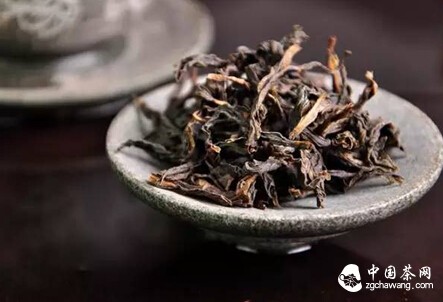
High-quality Rock tea made strictly according to traditional techniques increases in value with longer storage time. The saying "deep red storage triples its price" likely originates from this.
The intrinsic components of Rock tea possess remarkable pharmacological effects. In daily drinking, the flavor and charm of aged Rock tea make one appreciate what is meant by "words are limited, but meaning is boundless."
"Aged Drinking" of Rock Tea
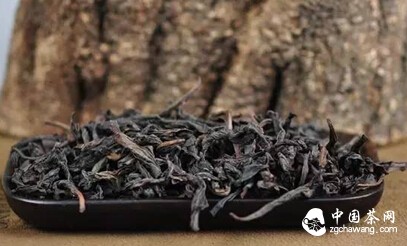
The custom of "aged drinking" of Wuyi Rock Tea has existed since ancient times. Ming Dynasty scholar Zhou Lianggong wrote in "Minnan Tea Songs": "Before rain is good but too new, fire energy undispelled, do not let it touch your lips; stored deep red, triple the price, every household shows off tea aged over a year."
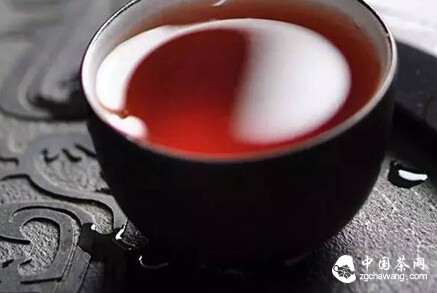
Premium aged Rock tea has dark, tightly rolled strips. Drinking it releases a rich aroma with woody and aged notes. The liquor is bright red and transparent, like aged red wine. The tea soup is smooth, mellow, sweet, and lubricating, promoting salivation and a distinct throat sensation, with a spring-like feeling on the tongue. The brewed leaves are thick, dark, and bright, with no astringency. Old tea is highly resistant to brewing, remaining flavorful even after more than ten infusions, becoming sweeter with each brew.
"Aging" of Rock Tea
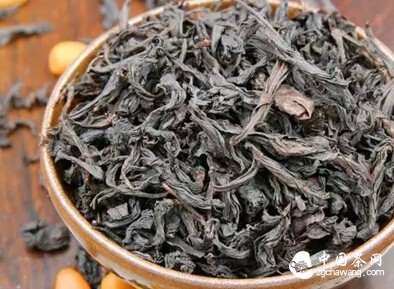
Wuyi Rock tea belongs to semi-fermented Oolong tea. Its quality is defined by its unique aroma and flavor, composed of substances like tea polyphenols, alkaloids, organic acids, vitamins, and aromatic compounds. These components are mostly reductive and highly susceptible to environmental factors such as humidity, temperature, light, and oxygen. They undergo hydrolysis, oxidation, condensation, or polymerization reactions, forming the liquor color, aroma, and taste. This is the primary mechanism of tea aging and qualitative change, producing what we call "aged" characteristics.
The transformation of aged Wuyi Rock tea's internal qualities, particularly in taste, varies based on individual olfactory and gustatory senses. Of course, Rock tea exhibits different characteristics at various storage stages.
"Aged Taste" of Rock Tea
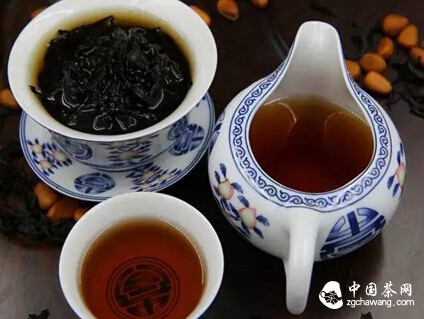
Generally, from the completion of production, storage for five to ten years is the initial fermentation period, often developing slight acidity that gradually intensifies. Around fifteen years, the acidity diminishes, revealing a plum aroma, typically called plum-scented aged tea, which can last until about twenty years. Then it gradually transforms, possibly into floral and fruity notes, lasting until around twenty-five years. Continued storage leads to further transformation; the tea nature becomes warmer and smoother over time.
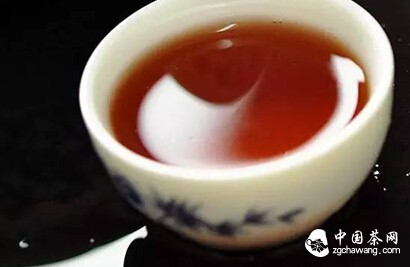
During storage, the tea leaves may break, becoming less intact than originally; they may turn black, develop a white frost, acquire medicinal notes, or develop woody aromas...
Its aroma is rich, deep, mellow, smooth, without astringency, gentle yet robust;
Its color is deep, bright, clear, and it remains flavorful over many infusions;
The tea soup surface often gathers a mist-like vapor, ethereal and beautiful;
After drinking, it promotes belching and Qi circulation, nourishes the stomach, dispels cold, relieves heat, generates fluids, calms the mind, alleviates stuffiness and fatigue, prevents radiation, resists aging, lowers three highs (blood pressure, lipids, blood sugar)...
In summary, the changes and benefits of aged Rock tea are numerous and profound—it leaves a lingering fragrance, comforts the mind, and becomes unforgettable.
"Storage" of Rock Tea
There is another saying: "Wuyi Rock tea aged three years is medicine, aged five years is elixir, aged ten years is treasure." Please consider this objectively. While Rock tea can have certain effects on minor issues like stomach discomfort or internal heat, aligning with traditional Chinese medicine's principle of "focus on nurturing, not curing" for health preservation, not all Rock teas are suitable for aging, nor do all develop medicinal efficacy over time.
Storing aged tea requires prerequisite conditions:
1. Light fragrance type Rock tea, with lighter fermentation and roasting, is prone to quality change and reverting to 'green' taste, unsuitable for aging.
2. Rock tea made strictly according to traditional methods with heavy fermentation and sufficient roasting is relatively stable and suitable for aging, but it must be stored correctly.
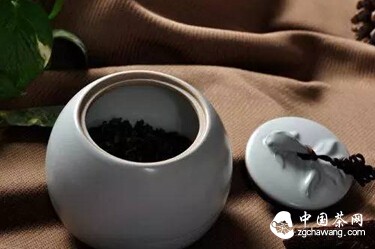
3. Correct storage methods: dry, avoid light, odor-free; containers often use wood, cardboard boxes, pottery jars, metal cans, etc.