
Any tea that has developed smoky, burnt, sour, rancid, moldy, oily, medicinal, sun-dried, fishy odors, or contains excessive red stems, red leaves, and anthocyanins due to improper fresh leaf processing techniques or poor storage can be termed as substandard tea or deteriorated tea.
You can use the following methods to identify substandard and deteriorated tea:
Smelling for Burnt Odor: If the tea leaves smell of high fire or caramelization, but this odor disappears after short-term storage, it is "substandard tea"; if a burnt smell is detected both in dry leaves or after brewing (wet smell), and it doesn't fade easily after storage, then it is "deteriorated tea" and should not be consumed.
Smelling for Mold: For mildly moldy tea, the dry leaves have no tea aroma, but emit a moldy smell when breathed on. If this moldy smell can be eliminated after re-firing, it is substandard tea. If the dry leaves already have a noticeable mold smell, which becomes more obvious after brewing, it is inferior tea. Severely moldy tea shows significant mold and white spots on the dry leaves, and the smell is unpleasant – this is deteriorated tea. Both inferior and deteriorated teas are harmful to health and should not be drunk.
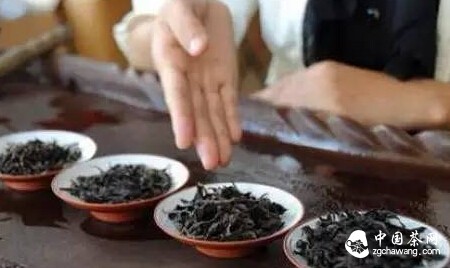
Smelling for Smoke: If a slight smoky smell is detected initially but seems absent upon repeated sniffing, the tea with such light smoke is substandard. If a strong smoky smell is noticed when smelling the brewed tea hot, and the taste of smoke is also present in the tea soup and hard to dissipate, this is deteriorated tea and should not be consumed.
Smelling for Sun-dried Odor: Dry leaves with a slight sun-dried odor are substandard tea; those with a strong sun-dried smell are deteriorated tea and should not be consumed.
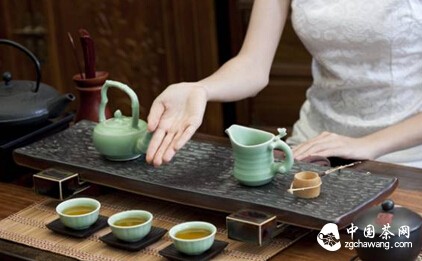
Smelling for Sour/Rancid Odor: If the brewed tea has a slight sour/rancid smell, but it disappears when the tea soup cools down, or only the odor is present without a sour taste, and the rancidity can be removed after re-firing, it is substandard tea. If sour/rancid smells are detected in both dry and wet leaves, and also in the taste of the tea soup, and cannot be eliminated even after re-firing, it is deteriorated tea and should not be consumed.
Smelling for Oil, Medicinal, or Fishy Odors: Tea with slight oily, medicinal, fishy, or other strange odors that can be removed after treatment is substandard tea; if the odors persist after treatment, it is deteriorated tea and should not be consumed.

Inspecting for Red Stems/Leaves: In green tea, if the level of red stems and leaves is mild, the dry leaves appear normal in color, and the brewed leaves (wet base) show red stems but no red leaves, it is substandard tea. If the level is severe, the dry leaves lack a fresh green luster or appear variegated, and the wet base clearly shows red stems and leaves, it is deteriorated tea and not suitable for drinking.
Inspecting for Bluish Spots: In black tea, if the dry leaves look normal in color, and the wet base shows slight bluish spots, it is substandard tea; if the dry leaves appear blackish or dark bluish, and the wet base has many bluish leaves, it is deteriorated tea and not suitable for drinking.