The quality and value of tea vary depending on whether it is new or old. To distinguish between new and old tea, focus on the following four key points:
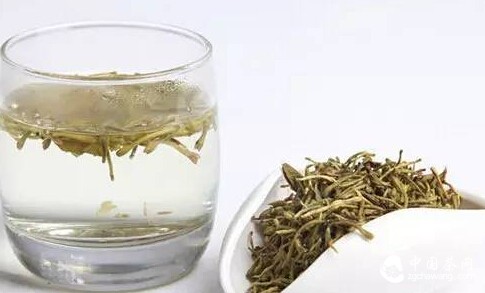
First, look: From the appearance of the tea leaves, new tea is fresh, dry, hard, and loose; old tea is compact, dark, soft, and appears damp. When brewed, the edges of new tea leaves are serrated with glandular hairs on the teeth, and the leaf tissue contains star-shaped calcium oxalate crystals. The back of the leaves has fine hairs, and the leaves are evenly tender and well-proportioned. In contrast, one- or two-year-old old tea appears compact, dark, and soft, with unclear leaf shapes. In terms of glossiness, high-quality dry tea leaves often have a shiny and fresh appearance with uniform color, while inferior old tea has a dull and gray hue. The liquor of new tea is clear, whereas old tea produces a dull, cloudy, or brownish infusion.
Second, touch: High-quality new tea is dry and crumbles easily when pinched. If the leaves are soft and damp, they are likely old tea and difficult to break. The moisture content of high-quality new tea generally ranges between 5.0% and 8.0%.
Third, smell: New tea has a fresh and fragrant aroma, and the leaves expand after brewing. Old tea, however, has a subdued fragrance and shriveled leaves. Place some tea leaves in your palm and exhale to moisten them, releasing their aroma. If the scent is musty, sour, or stale, it indicates old or inferior tea.
Fourth, taste: The flavor reflects the composition of the tea. New tea has a robust, rich, and mellow taste with a lasting, pure, and fresh aroma. Old tea, on the other hand, lacks freshness and smoothness and may have off-flavors such as grassiness, bitterness, or sourness. Some unscrupulous vendors may use "fresheners" to deceive consumers, so careful tasting is essential.