Tea and rice are both traditional Chinese crops. Perhaps you never imagined that combining these two ingredients creates a natural disease-preventing superfood. Many common diseases in recent years can be effectively addressed by them. Let's learn more below!
Tea-infused rice has a long history:
Tea-infused rice has roots in ancient Chinese medical texts and folk traditions. According to "Compendium of Materia Medica," long-term consumption of tea-infused rice "makes people lean." In Lincang, known as the hometown of tea leaves in Yunnan, there is a folk song that goes: "Nothing tastes better than tea-cooked rice; nothing is more fun than dancing on Flower Mountain." This shows that tea-infused rice is part of a long-standing culinary culture.
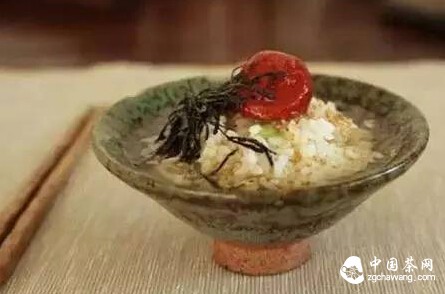
According to nutritionists, tea-infused rice enhances the flavors of both tea and rice. The aroma of tea makes the rice more fragrant and delicious, while the starch in rice effectively counteracts the bitterness and astringency of tea. Tea-infused rice also offers four major health benefits: First, tea polyphenols help soften blood vessels, lower lipid levels, and prevent cardiovascular diseases. Second, tea polyphenols block the formation of carcinogenic nitrosamines in the body, thus preventing digestive tract tumors. Third, tannic acid in tea-infused rice helps prevent strokes. Fourth, fluoride in tea-infused rice is essential for tooth enamel, enhancing tooth strength and acid resistance, and preventing cavities.
Tea-infused rice is delicious and disease-preventing
In fact, to enjoy fragrant rice, you don't necessarily need new rice. Cooking rice with tea can produce rice that is appealing in color, aroma, and taste. What's even more remarkable is that tea-infused rice also helps reduce greasiness, cleanse the palate, aid digestion, and prevent diseases. Rice with excellent color, aroma, and taste is a staple on Chinese dining tables. People generally prefer new rice for its fresh, pure aroma.
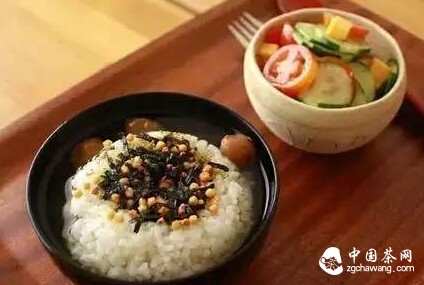
According to nutritionists, regularly consuming tea-infused rice can help prevent four types of diseases:
1. Preventing cardiovascular diseases
To enjoy fragrant rice, cooking with tea can produce rice that is appealing in color, aroma, and taste. Tea-infused rice also helps reduce greasiness, cleanse the palate, aid digestion, and prevent diseases. Middle-aged and elderly people who regularly consume tea-infused rice can soften blood vessels, lower lipid levels, and prevent cardiovascular diseases.
2. Preventing digestive tract tumors
Additionally, tea polyphenols can block the formation of nitrosamines in the body. Amines and nitrites are widely present in foods. Under 37°C and appropriate acidity, they easily form nitrosamines, which are carcinogenic. Tea-infused rice effectively prevents the formation of nitrosamines, thus helping to prevent digestive tract tumors.
3. Preventing strokes
Tannic acid in tea effectively helps prevent strokes.
4. Preventing cardiovascular diseases
Furthermore, the fluoride in tea is an essential substance for tooth enamel. If a small amount of fluoride continuously penetrates tooth tissue, it can enhance tooth strength and acid resistance, preventing cavities.
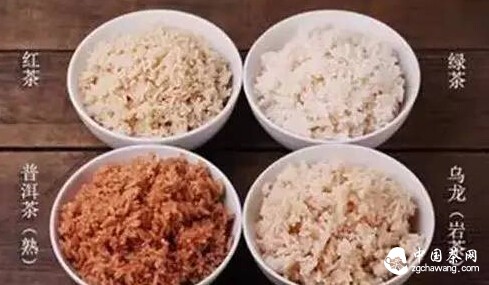
How to make tea-infused rice?
The method for cooking rice with tea is very simple. First, steep 1 to 3 grams of tea leaves in 500 to 1000 grams of boiling water for 4 to 9 minutes. Use a clean piece of gauze to filter out the tea leaves and set the tea aside (overnight tea is not suitable). Put the rice into the pot, rinse it, then pour the tea into the pot until it is about 3 centimeters above the rice. Cook as usual.