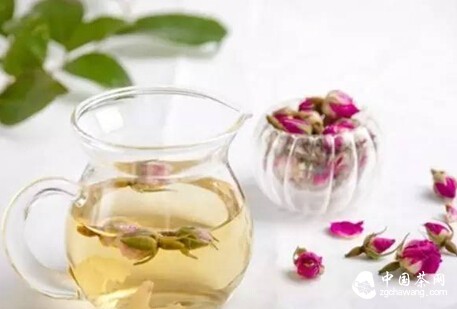
In the scorching summer, many people choose to brew some herbal tea to alleviate anxiety. Drinking floral tea is not only enjoyable but also offers beauty and skincare benefits for women. However, there are precautions to consider when drinking herbal tea. Today, we will discuss three major taboos and recommend the most suitable herbal teas for you.
Taboos
1. Avoid Random "Mixing" of Herbal Teas
Herbal teas have become increasingly popular and can be found everywhere, from mall entrances to supermarket counters. While mixing more types of herbal teas may enhance their effects, it also increases the risk of adverse effects on the body. Therefore, herbal teas should not be mixed randomly, and it is not advisable to mix too many types—no more than three. For safety, here are some scientifically recommended herbal tea combinations:
① Rose + Goji Berries + Chrysanthemum: Regulates endocrine function and relieves fatigue.
② Rosemary + Lemon Verbena + Lemongrass: Breaks down fat, diuretic, reduces swelling, and targets leg slimming, particularly effective for lower body obesity.
③ Rose + Weight Loss Flower + Honey: Helps eliminate excess body fat, promoting a slimmer figure.
④ Weight Loss Flower + Lemon Verbena + Gynostemma: Clears blood lipids and aids in weight loss.
⑤ Rose + Jasmine: Enhances beauty, nourishes the liver and stomach, and soothes tension.
2. Avoid Regular Consumption of Certain Herbal Teas
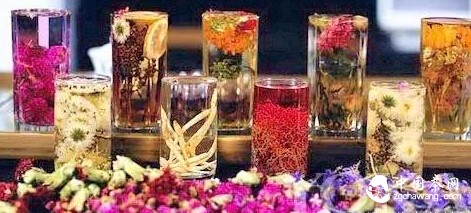
Herbal tea refers to beverages made by boiling or steeping plant roots, stems, leaves, flowers, or bark. While each herb has its corresponding nature, flavor, and benefits, proper use can provide certain health effects. However, consumption should be limited to specific periods and adjusted according to individual constitution. Overconsumption may lead to discomfort. For example, Boat-Fruited Sterculia Seed tea is used for sudden hoarseness accompanied by cough, thirst, and sore throat. But if consumed long-term as a health drink, it may cause spleen and stomach deficiency, loose stools, and reduced appetite.
3. Avoid Casual Consumption of Certain Types of Herbal Teas
In recent years, herbal teas have become trendy, but are there any taboos for these tea substitutes? Traditional Chinese medicine experts explain that while herbal teas are consumed similarly to tea, some herbs have restrictions as they are also medicinal. Choose herbal teas based on your constitution. When blending your own herbal tea, pay attention to the properties of the herbs.
① Cassia Seed: While it can lower blood lipids, it may also cause diarrhea. Long-term use in women may lead to irregular menstruation or abnormal endometrial changes. Avoid if you have diarrhea, low blood pressure, or are pregnant.
② Honeysuckle: Its nature is cold, and it should not be consumed long-term by anyone, especially those with spleen and stomach deficiency, weak constitution, or women during menstruation.
③ Senna Leaf: Brewed as tea, it relieves constipation, but long-term use for chronic or habitual constipation may lead to dependency. Large doses can cause urinary retention and severe blood pressure changes. Avoid during breastfeeding, menstruation, or pregnancy.
④ Goji Berries: Strong warming effects, but not suitable for those with high blood pressure, irritable temperament, or those who consume large amounts of meat and have a flushed complexion.
⑤ Boat-Fruited Sterculia Seed: Suitable for hoarseness caused by wind-heat toxins attacking the throat. Ineffective for other types of hoarseness, especially sudden loss of voice in the elderly or those with spleen deficiency.
⑥ Licorice Root: While it can tonify the spleen, boost energy, and clear heat, long-term use may cause edema and elevated blood pressure.
⑦ Chrysanthemum: A cold-natured herb with heat-clearing effects, but not suitable for those with yang-deficient constitution.
⑧ Ginseng Slices: Can tonify vital energy, promote fluid production, calm the mind, and benefit the spleen and lungs. However, long-term or excessive use by robust individuals may cause dry mouth and even nosebleeds.
Recommendations
Herbal Teas Suitable for Summer Heat Relief
① Chrysanthemum Tea: 10g white chrysanthemum flowers and an appropriate amount of green tea, brewed and consumed. Helps dispel wind, clear heat, and refresh the mind. Suitable for preventing and treating hypertension, dizziness, and wind-heat headaches.
② Mint Tea: 3g fresh mint leaves and an appropriate amount of green tea, brewed and consumed. Relieves summer heat, cools, and refreshes. Ideal for calming the mind and reducing heat.
③ Eupatorium Tea: 10g fresh eupatorium leaves and an appropriate amount of green tea, brewed and consumed. Resolves dampness, harmonizes the middle, and relieves summer heat. Suitable for summer colds accompanied by nausea, vomiting, and poor appetite.
④ Cassia Seed Tea: 10g cassia seeds and an appropriate amount of green tea, brewed and consumed. Clears heat, improves vision, and promotes bowel movements. Suitable for hypertension and constipation.
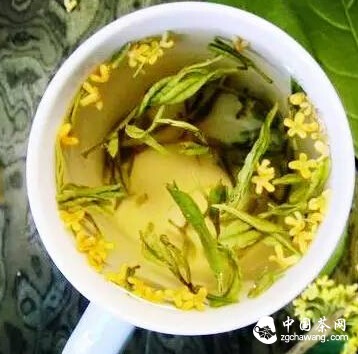
⑤ Osmanthus Tea: Also known as "Nine Miles Fragrance," osmanthus tea has a strong and far-reaching aroma. Drinking it in summer can relieve dry mouth and irritability, and its scent can significantly reduce summer fatigue.
⑥ Jasmine Tea: Its fragrance is even more popular than osmanthus tea, instantly boosting spirits in the dull summer. Jasmine helps dispel stagnation and cold pathogens, and summer consumption also aids in beauty and skincare.
⑦ Honeysuckle Tea: Famous for its heat-clearing and detoxifying effects, it not only dispels wind-heat but also treats summer-related conditions like boils and sores. Bathing with it can help relieve rashes in children.
Others, such as Liu Yi San Tea and Lotus Leaf Tea, also have excellent heat-clearing and summer heat-relieving effects and can be brewed and consumed.
Final Tips:
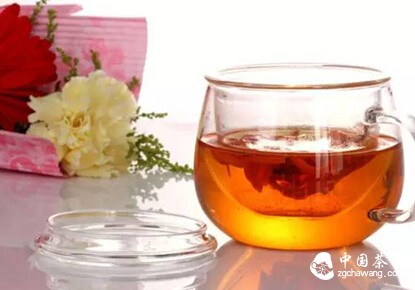
① If you prefer sweet herbal tea, it’s best to add honey, as honey is a natural product and complements the floral flavors well.
② When blending your own herbal tea, pay attention to the properties of the herbs. For example, avoid mixing lavender (which has calming effects) with rosemary (which is stimulating). If unsure about the properties of various flowers, it’s best to drink them alone.
③ If the blended herbal tea doesn’t taste good, add one or two dried roses. The rose’s aroma can improve the flavor of the entire pot, and roses are neutral, so they won’t conflict with other herbal teas.
④ Do not use boiling water to brew herbal tea. Use water around 90°C. Discard the first brew, then brew again for consumption.