The characteristic of Rock Tea lies in its roasting process. The brewed tea leaves produce a heavy liquor, resulting in a noticeable thickening sensation on the tongue after drinking Rock Tea.
If you are drinking Rou Gui, there is another factor: the inherent properties of Rou Gui itself can also cause this sensation on your tongue.
This unique sensation from Rock Tea is one reason why beginners may find it difficult to appreciate initially. However, once accustomed to this feeling, you will likely develop a fondness for Rock Tea.
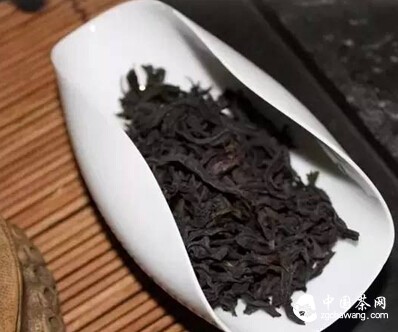
Additionally, if the numbness is accompanied by an initial astringency and a flavor reminiscent of green persimmons, the primary reason is the roasting process of Rock Tea, specifically when the "fire has not retreated" (incompletely settled). This is particularly evident in the Da Hong Pao tea variety.
How to master the技巧 of细细品味 Rock Tea's flavor?
When tasting the flavor, the tongue's posture should be correct: after drawing the tea soup into your mouth, place the tip of your tongue against the upper teeth roots, slightly open your lips, lift the tongue slightly, allowing the tea soup to spread over the middle part of the tongue. Then, slowly inhale air through your mouth using abdominal breathing, causing the tea soup to roll slightly on the tongue. After inhaling twice to discern the flavor, close your mouth, keep the tongue in position, exhale waste air from the lungs through your nostrils, and then spit out the tea soup. If you initially perceive bitterness in the tea soup, raise the position of your tongue to press the tea soup toward the base of the tongue for further assessment of the bitterness level.
If you suspect the tea soup has a smoky odor, after taking the tea soup into your mouth, close your lips, place the tip of your tongue against the upper palate, inhale through your nostrils, expand your oral cavity to allow full contact between the air and the tea soup, then release the air through your nostrils. Repeating this 2-3 times allows for a more accurate assessment of the smokiness.
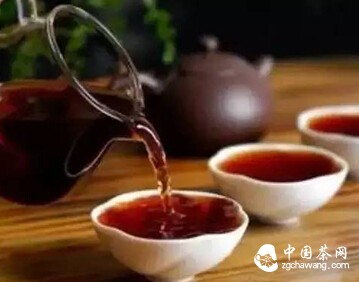
The optimal temperature for tasting tea soup is between 40-50°C. If it exceeds 70°C, taste buds can be scalded, affecting the evaluation; below 40°C, the sensitivity of taste buds decreases. In cooler tea soup, substances dissolved in the hot soup gradually precipitate, making the tea soup uncoordinated and losing the correct basis for evaluation. This is because substances related to flavor dissolve more harmoniously in hot soup, but as the soup temperature drops, originally dissolved substances gradually separate, causing the soup flavor to become discordant.
When tasting tea soup, 5 ml per sip is most appropriate. Too much makes the mouth feel full, hindering flavor discrimination; too little leaves the mouth feeling empty,不利于辨别. We refer to "savoring" tea—a 15 ml cup should be drunk in three small sips to truly "savor."
Timing in tasting is crucial: for a 5 ml sip of tea soup, allow it to roll twice in the mouth over 4 seconds; three sips are sufficient to evaluate a cup of tea. If tasting other teas subsequently, rinse your mouth with warm water to remove high-concentration residues from the tongue苔 to avoid numbing the taste buds and ensure accurate comparison.
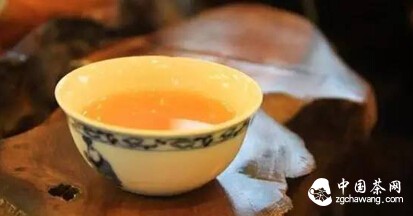
When the tea soup enters the mouth, draw it in naturally without excessive force. Sucking too hard increases the flow rate, causing some tea soup to enter through gaps between teeth, mixing with food debris in the mouth and introducing off-flavors, making it difficult to accurately assess the taste.
Evaluating the taste of tea soup includes characteristics such as richness, strength, astringency, freshness/staleness, purity/peculiarity, stimulation,收敛性, vitality, body, and aftertaste. The sensations in the throat after swallowing the tea soup—such as soft sweetness, smoothness,甘滑, and lingering charm—are also important aspects of tasting.