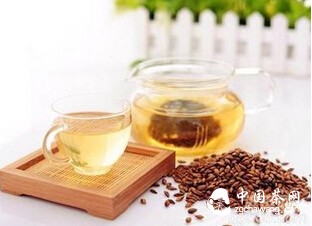
Barley tea is a type of tea beverage loved by many. However, it's important to note that there are specific considerations for drinking barley tea. There are four time periods when it is not advisable to consume barley tea. Today, let's take a look at the relevant details about barley tea.
Nutritional Value of Barley Tea
Barley has a sweet taste and neutral nature. It can help relieve food stagnation, promote digestion, quench thirst, clear summer heat, boost energy, regulate the middle, broaden the chest, tonify deficiencies, strengthen blood vessels, improve complexion, benefit the five solid organs, and aid grain digestion. Barley tea contains 17 trace elements needed by the human body, over 19 amino acids, and is rich in various vitamins, unsaturated fatty acids, protein, and dietary fiber, meeting the demand for returning to nature and pursuing health.
Barley tea is made with advanced production techniques and excellent quality, containing no additives, and它具有医疗保健作用。大麦茶属传统饮品,冷饮具有防暑降温之功,热饮具有助消化、解油腻、养胃、暖胃、健胃的作用。长期饮用,能收到养颜、减肥之功效。大麦茶为纯天然、四季皆宜、适宜各种年龄人群的保健饮品。
So, how should barley tea be brewed?
Brewing Methods for Barley Tea
Using mineral water yields better results than water from a household water dispenser.
Keep the teapot lid covered both during boiling and while cooling after boiling to maintain the tea's fragrance.
To preserve the aroma of barley tea, it is very important to cool it immediately after boiling.
For a more fragrant tea, you can first roast the barley before boiling it.
Adding a small amount of salt while boiling barley tea makes the flavor milder and helps release its unique aroma. Add the roasted barley to boiling water, simmer over medium heat until the tea color develops, then add a little salt.
Finally, let's tell you the times when it is not suitable to drink barley tea.
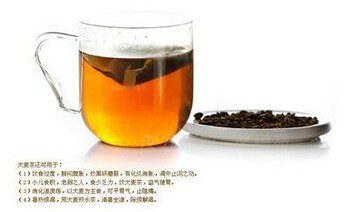
4 Time Periods When You Should Not Drink Barley Tea
On an empty stomach: It can cause hyperactive symptoms in some people, such as palpitations, dizziness, weakness in limbs, and mental confusion. People who don't usually drink tea, especially when drinking on an empty stomach in the morning, are more likely to experience these symptoms. This is known as "tea drunkenness." If tea drunkenness occurs, you can relieve it by sucking on candy or drinking some sugar water. Compared to younger people, the elderly have more fragile digestive systems. Middle-aged and elderly people with stomach or duodenal ulcers should especially avoid drinking tea on an empty stomach, particularly strong tea. Because excessive tannic acid can irritate the gastrointestinal mucosa, thereby worsening the condition, and some may experience indigestion or constipation.
When drunk: Tea leaves have a stimulating effect on the central nervous system. Drinking strong tea after intoxication can increase the burden on the heart. For the elderly with relatively poor heart and kidney function, they especially must not drink large amounts of strong tea after alcohol consumption; methods such as eating a lot of fruit or taking small sips of vinegar can be used to speed up the body's metabolism and alleviate drunkenness.
Before bedtime: Substances in tea, after being absorbed by the body, have a significant stimulating effect on the central nervous system. Drinking tea can cause mental excitement, affect sleep, and even lead to insomnia, especially freshly picked green tea, which has a more pronounced effect. Furthermore, tea has a diuretic effect. Elderly people drinking tea before bed are also prone to frequent urination at night, affecting sleep quality.
During medication: Some elderly people with chronic illnesses require long-term medication, and many drugs should not be taken with tea. For example, sedative sleep aids, anti-arrhythmic drugs, etc. Theophylline can reduce the analgesic effect of some drugs; therefore, it is also not advisable to drink tea when taking painkillers.
Although barley tea has many benefits, it is important to choose the right time to drink it.