British scientists have discovered that compared to brewing tea with boiling water, boiling tea in a pot allows tea leaves to release more anti-cancer substances, providing better anti-cancer effects. Research shows that when tea leaves are boiled in a pot for 5 minutes, the concentration of antioxidants that absorb harmful substances reaches its peak. Drinking tea that has been boiled for 5 minutes increases antioxidant levels in the blood by 45% after one hour. The study also found that steeping tea leaves in the pot for longer periods doesn't produce more beneficial components but rather reduces them; adding milk to tea doesn't affect the antioxidant components. Although boiling tea is good, not all teas are suitable for boiling.
For boiling tea, generally older teas are more suitable for drinking through boiling methods, such as aged white tea, pu-erh tea, aged tieguanyin, etc.
Tea boiling can be divided into two methods: direct boiling and boiling after brewing. Lighter-tasting teas like white tea and tieguanyin are suitable for putting directly into the boiling pot, while stronger-tasting teas like pu-erh tea are better suited for being boiled after being brewed five or six times in a gaiwan first. This can prevent the brewed tea from being too strong.
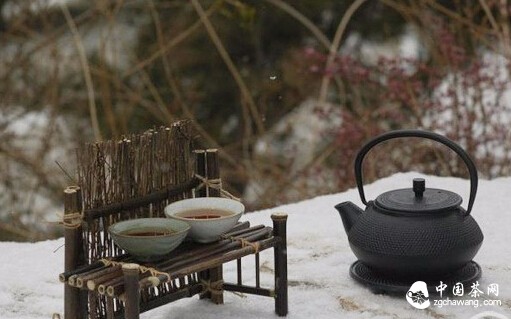
White Tea: A lightly fermented tea made from tender buds and leaves with white hairs on the back, dried by sunlight or gentle fire. It has silvery-white hairs and the characteristic of "green attire with plain wrapping." Because white tea isn't rolled during processing, the leaves remain complete and spread out after brewing, with a mellow aroma and light-colored tea soup.
White tea is suitable for simple, natural pottery tea sets and can be either decocted or brewed.
Dark Tea: Dark tea is a post-fermented tea. Because it uses relatively coarse raw materials and requires a long stacking fermentation process during processing, it has a strong aged aroma, mellow taste, and the tea soup often appears dark brown.
Dark tea can be brewed or decocted. Using pottery tea sets takes advantage of their good adsorption properties to eliminate some off-flavors formed during fermentation and storage, making the aged aroma of dark tea more prominent. Additionally, the rustic, bold pottery tea sets paired with dark tea create a simple and solemn feeling that matches the profound aged charm of dark tea.
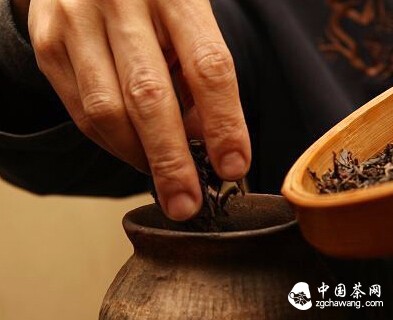
Black Tea: The most internationally popular tea category, belonging to fully fermented teas. It is made from tea plant buds and leaves through typical processes like withering, rolling (cutting), fermentation, and drying. It is named black tea because the dry tea leaves and brewed tea soup are predominantly red.
Black tea is suitable for both brewing and decoction. There are two ways to drink black tea: straight and blended. Drinking it straight means without any condiments, allowing the tea to express its inherent aroma. The straight method is suitable for enjoying Gongfu black tea, focusing on appreciating its fragrance and mellow taste.
Oolong Tea: Oolong tea, also known as blue tea, belongs to the semi-fermented tea category. Oolong tea has both the strong, fresh taste of black tea and the fresh, fragrant aroma of green tea, uniquely characterized by "green leaves with red edges." It is suitable for brewing in purple clay tea sets, which can absorb excess fire energy from the tea leaves, softening the robust nature of oolong tea, paired with elegant-colored tasting cups to appreciate the tea soup.
Oolong tea can also be boiled, but it should not be decocted for too long. Otherwise, the tea becomes too strong, affecting the taste of the tea soup. It is best boiled in sand or pottery ware.
Pu-erh Tea: Also known as Dianqing tea, it belongs to the dark tea category. It is named Pu-erh tea because its original transportation and distribution center was in Pu'er County. Pu-erh tea uses Yunnan large-leaf sun-dried green tea as raw material, employing a sub-fermentation green tea processing method. It is divided into raw tea and ripe tea based on different fermentation levels, and the finished products are categorized into loose tea and compressed tea.
Weng Kun, Secretary-General of the National Tea Standardization Technical Committee and Associate Researcher at the National Tea Quality Supervision and Inspection Center, clearly stated: Pu-erh tea is better brewed and最好不要 boiled. Because boiling Pu-erh tea easily makes it too concentrated, which not only increases the risk of insomnia at night but can also burden the spleen and stomach. Simultaneously, boiling Pu-erh tea makes it difficult to control the aroma and taste. Only some coarse, aged teas can be boiled, but the boiling time should not be too long, preferably 3 to 5 minutes.
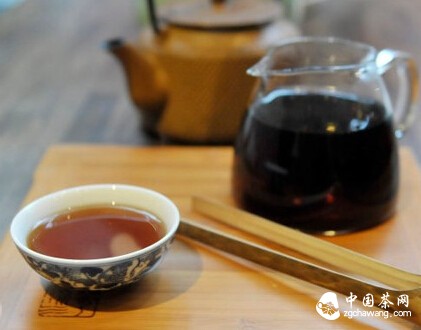
Green Tea: "Clear soup and green leaves, with a strong astringent taste" are the characteristics of Chinese green tea, and the requirements for tea sets also emphasize variation the most.
The water temperature for brewing tea depends on the tea. For high-quality green tea, especially tender bud green tea, the water temperature should be controlled around 80°C to 90°C during brewing. Water that is too hot can easily destroy vitamin C in the tea, and caffeine easily leaches out, causing the tea soup to turn yellow and taste bitter. Therefore, tender bud green tea is not suitable for boiling.