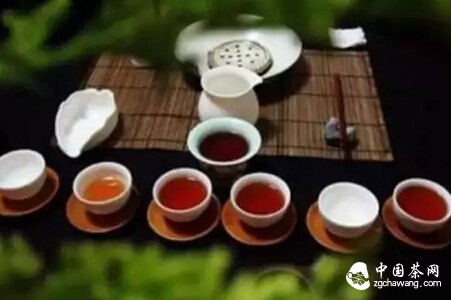
Oolong tea is gaining popularity, with enthusiasts appreciating its aroma and taste. Brewed with 100°C boiling water, it offers a rich fragrance and lingering aftertaste. It can be mixed with black or green tea for combined benefits, or with scented tea to leverage green tea's heat-clearing and summer-heat-relieving properties along with scented tea's phlegm-resolving effects. As a neutral tea, Oolong tea clears internal heat and promotes fluid production, making it ideal for combating dryness. Below are the three major health benefits and three taboos of Oolong tea.

Three Major Effects
1. Preventing Tooth Decay
A cup of Oolong tea after meals not only quenches thirst and freshens breath but also helps prevent tooth decay. Decay occurs when bacteria invade tooth tissue, producing enzymes that interact with sugars from food, creating substances that erode teeth. These substances, combined with bacteria, form plaque, which leads to cavities.
The polyphenols in Oolong tea inhibit the production of plaque-causing enzymes. Drinking a cup after meals can prevent plaque and cavities. Long-term studies show that feeding mice polyphenol-rich diets reduces cavity incidence. If brushing isn't possible after eating, a cup of Oolong tea is a good alternative for cavity prevention.
2. Anti-Tumor and Anti-Aging Effects
Oolong tea helps break down blood fats and lowers cholesterol. A 1994 international study reported its efficacy against hyperlipidemia and hypertension, with 75% of 68 hypertensive participants showing reduced blood pressure after a trial period. Research also found that Oolong tea blocks endogenous formation of nitrosamines, preventing esophageal cancer. Like vitamin E, it has anti-aging properties. With adequate vitamin C intake, Oolong tea maintains higher blood vitamin C levels and reduces its excretion, leveraging vitamin C's anti-aging effects to enhance overall anti-aging capacity.
Additionally, Oolong tea exhibits anti-tumor properties, activates lymphocytes and NK cells, boosts immunity, and prevents aging. Experts note that Oolong tea polyphenols can adsorb and expel foreign substances from the body.
3. Double Detoxification Effect
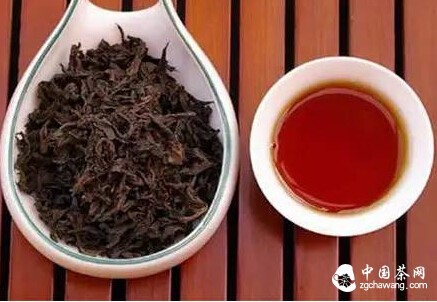
Scientific evidence shows that dark Oolong tea inhibits 20% of neutral fat absorption, a remarkable effect. Excreta from dark Oolong drinkers contain twice the fat content compared to non-drinkers, indicating it not only blocks fat absorption but also doubles fat excretion, offering a dual detox benefit. Dark Oolong combines green and black tea processing methods, featuring a taste profile between the two—both robust like black tea and fragrant like green tea, often described as "green leaves with red edges."
Three Taboos of Drinking Oolong Tea
1. Do not drink on an empty stomach, as it may cause hunger, dizziness, or blurred vision, commonly known as "tea drunkenness."
2. Avoid drinking before bed, as it may lead to difficulty falling asleep.
3. Do not drink cold Oolong tea, as it becomes cold-natured and may harm the stomach.
These taboos are especially important for first-time female drinkers, as Oolong tea contains higher levels of tea polyphenols and caffeine than other teas, potentially causing harm if consumed improperly.
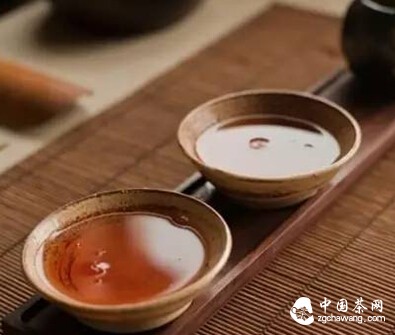
Oolong tea's benefits extend beyond these, including fatigue relief, promoting saliva and urine production, heat and sunstroke prevention, antibacterial and anti-inflammatory effects, detoxification, aiding digestion, reducing greasiness, and supporting weight loss and fitness. It is particularly noted for preventing cancer, lowering blood lipids, and anti-aging. Whether for beauty or health, drinking more Oolong tea is advisable.