Tea lovers who adore Pu-erh tea all know that good tea features captivating aroma, persistent sweet aftertaste, and a transition from bitterness to sweetness. However, some Pu-erh teas have astringency and bitterness that persist without dissipating. Is this an indication of poor-quality tea? Whether it is or not will become clear after reading the following content.
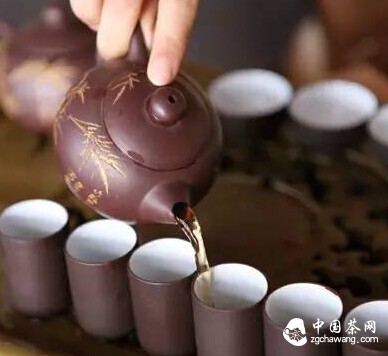
Tea usually carries some astringency and bitterness. "Unresolved astringency and bitterness" refers to when the bitterness doesn't transform into sweetness and remains in the mouth for a long time. Good tea can transform this bitterness and generate sweet aftertaste. The better the tea, the faster this transformation occurs. Its "bitterness" is cool and expansive. Authentic high-quality ancient tree Pu-erh may taste very bitter at first sip, but the bitterness doesn't reach the throat and can disappear instantly, transforming into sweet aftertaste that lingers in the mouth, creating a comfortable and pleasant feeling.
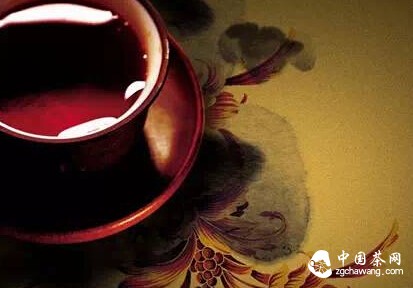
Drinking tea should quench thirst and promote saliva production, while tasting tea should bring comfort and pleasure. However, these effects need to be felt after drinking the tea and pausing to sense. Some teas can make one feel increasingly thirsty, with astringent and bitter tastes that persist, and may even cause chest tightness, irritability, or discomfort.
Why does some Pu-erh tea have unresolved astringency and bitterness? This relates to the tea garden's ecology. Based on field research in tea mountains, we first distinguish tea garden ecologies: there are original ecological ancient tea gardens, newly developed tea gardens, and terrace tea gardens; some use chemical fertilizers, pesticides, and herbicides, etc. One must be skilled at distinguishing these differences.
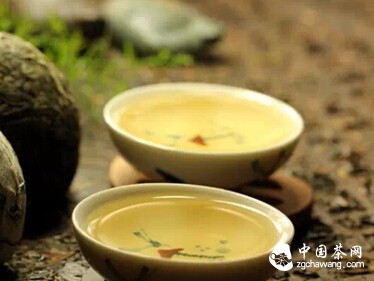
When tasting fresh leaves in tea gardens, one will find that those treated with chemical fertilizers, pesticides, and herbicides have astringency and bitterness that cannot transform, along with feelings of chest tightness and irritability; untreated teas have astringency and bitterness that can transform. Upon closer tasting, one discovers that the former's bitterness is a "dead" bitterness, a "solid" bitterness, while the latter is a "cool" bitterness, an "expansive" bitterness.
The bitterness of the two is different - the former cannot transform and causes discomfort; the latter can transform and brings comfort. The former's bitterness comes from fertilizers and pesticides; the latter's bitterness comes from the tea itself. When drinking these two types of tea, the initial taste might not differ much, and non-professionals might find it hard to distinguish, but when pausing to notice the aftertaste, most people can tell the difference.