Many people have the habit of drinking tea. The World Health Organization considers tea the best beverage for middle-aged and elderly people. Tea leaves contain vitamins, tea polyphenols, and trace elements. Regular consumption can regulate physiological functions and provide excellent health benefits. However, drinking more tea isn't always better, and there are many taboos associated with tea consumption. How many do you know?
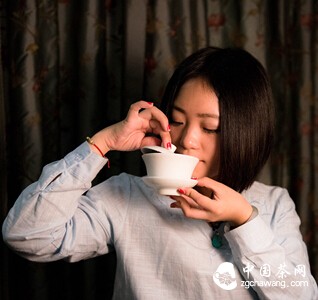
Ten Taboos of Drinking Tea:
First, avoid drinking tea on an empty stomach. Traditional Chinese medicine believes that drinking tea on an empty stomach allows tea properties to enter the organs and cool the spleen and stomach, equivalent to "inviting a wolf into the house." China has long had the saying "don't drink hollow tea."
Second, avoid drinking overly hot tea. Tea that is too hot strongly irritates the throat, esophagus, and stomach. Long-term consumption of overly hot tea may cause lesions in these organs. According to foreign research, people who regularly drink tea above 62°C are more prone to damaged stomach walls and stomach diseases. The ideal tea drinking temperature is below 56°C.
Third, avoid drinking cold tea. Warm or hot tea can refresh the mind and sharpen the senses, while cold tea may cause cold retention and phlegm accumulation in the body.
Fourth, avoid drinking strong tea. Strong tea contains more caffeine and theine, which are highly stimulating and can easily cause headaches and insomnia.
Fifth, avoid steeping tea for too long. Prolonged steeping causes automatic oxidation of tea polyphenols, lipids, and aromatic substances in tea leaves, resulting in dark tea soup, poor taste, low aroma, and loss of tasting value. Moreover, vitamins C and P and amino acids in tea leaves decrease due to oxidation, greatly reducing the nutritional value of the tea soup. Additionally, tea soup left for too long becomes contaminated by the environment, with increased microorganisms (bacteria and fungi), making it unhygienic.
Sixth, avoid too many infusions. Generally, tea leaves lose their flavor after 3-4 infusions. According to relevant tests, the first infusion extracts about 50% of water-soluble substances, the second 30%, the third 10%, and the fourth only 1-3%. Further infusions may leach harmful components from the tea leaves, as trace harmful elements are often extracted last.
Seventh, avoid drinking tea before meals. Drinking tea before meals dilutes saliva, making food tasteless, and temporarily reduces the digestive organs' ability to absorb protein.
Eighth, avoid drinking tea immediately after meals. Tea contains tannic acid, which can coagulate with protein and iron in food, affecting the body's absorption of protein and iron.
Ninth, avoid taking medicine with tea. Tea contains large amounts of tannins, which can decompose into tannic acid and combine with many drugs, causing precipitation, hindering absorption, and reducing efficacy. Hence the saying: "Tea counteracts medicine."
Tenth, avoid drinking overnight tea. As overnight tea sits too long, vitamins are lost, and nutrients in the tea soup become breeding grounds for bacteria and mold.