Pu-erh tea is a general term for various Yunnan compressed teas made from green tea or dark tea through fermentation and steaming, including bowl-shaped tea, cake tea, square tea, tight tea, etc. Its mellow taste, unique aroma, and the health benefits and effects of Pu-erh tea have won people's hearts, and many even regard it as a wonderful product for health preservation.
Currently, the quality of Pu-erh tea on the market is uneven, and the Pu-erh tea market is not yet perfect. Therefore, driven by profit, merchants often counterfeit famous old brands and ancient tree names. Consumers must be careful to distinguish when purchasing. Below is the identification of inferior Pu-erh tea: 4 things to check and 6 things not to rely on. You must know this.
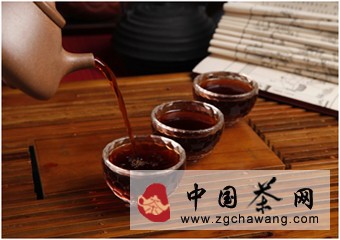
6 things not to rely on: 1. Using the wrong era as a benchmark (Note: In fact, teas from the 1950s and 60s can only be found in museums. Just think, would any tea factory/merchant store tea for 50 years before selling it?); 2. Not using fake packaging as a basis; 3. Not using the depth of tea color as an excuse; 4. Not being guided by added flavors (Note: The true camphor and jujube aromas of Pu-erh are naturally formed; how could they be so strong as to be pungent?); 5. Not taking musty storage as a selling point; 6. Not considering tree age and leaf type as key factors.
4 things to check (Clarity, Purity, Correctness, Qi): Clarity — the aroma should be clear, without mustiness. Purity — the liquor should be pure, like jujube red or dark red, bright, not black as lacquer. Correctness — stored in the correct environment, in a dry warehouse, not a damp warehouse. Qi — tasting the liquor should make one feel happy and refreshed.
The above identification of inferior Pu-erh tea, 4 things to check and 6 things not to rely on, hopes to be helpful to you. If you like Pu-erh, you need to learn more about where Pu-erh tea is produced, the quality of Pu-erh tea, and other related knowledge. Only then can you learn to distinguish authenticity in the mixed-quality market and avoid being deceived.