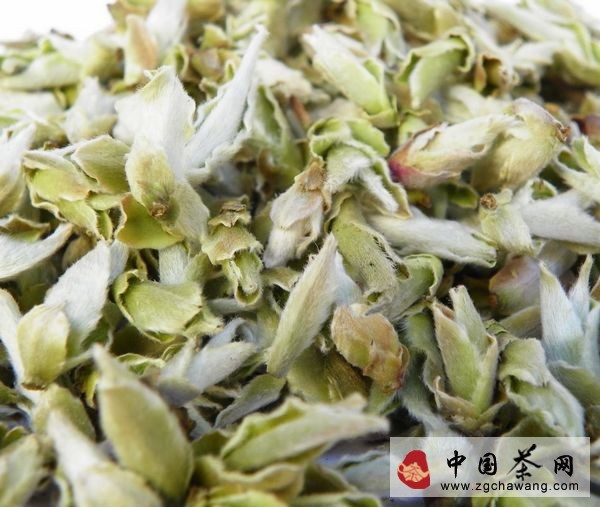
 Wild tea refers to tea plant varieties naturally evolved in nature, serving as the ancestors of cultivated tea varieties. Currently, many people blindly pursue wild tea and ancient tree tea when buying Pu'er tea. However, most products marketed as wild tea come with high prices, often exceeding their actual value. I believe it's necessary for everyone to learn about health tea knowledge and correctly understand wild tea, which can save you a considerable amount of money.
Wild tea and cultivated tea are definitions describing the characteristics of tea plant species and their different growing environments. Therefore, from the perspective of tea plant taxonomy, "wild tea" is not the "tea" that humans have been drinking for thousands of years. It hasn't undergone artificial domestication and isn't suitable for consumption, with some varieties even containing mild toxins. According to records, in 1973, Yunnan province produced a batch of compressed tea for Tibet, but after consumption, Tibetans reported adverse symptoms including unstable blood pressure, dizziness, and diarrhea because the blend contained wild tea, indicating that wild tea contains components unfavorable to the human body. In ancient tea areas like Xishuangbanna, local tea farmers have no history of drinking wild tea and still avoid it today. Thus, we shouldn't assume all wild teas are drinkable just because a small portion might be consumable.
Wild tea has two important values:
1. It serves as crucial feasible evidence proving Yunnan is the origin of world tea.
2. Its genetic factors can be utilized for research in tea breeding. As a valuable germplasm resource, wild tea should be protected. Currently, some tea merchants hype wild tea for profit, leading to excessive harvesting by farmers, which actually damages wild tea germplasm resources.
Zhang Shungao, former director of Yunnan Tea Research Institute, stated: So-called wild tea refers to tea group plants existing in natural forests and developed natural forests that have genetic relationships with cultivated tea species. These are tea plants that haven't been domesticated or widely utilized by humans. The "tea" consumed by human society for thousands of years belongs to the plant taxonomy classification: Plantae, Angiospermae, Dicotyledoneae, Archichlamydeae, Theales, Theaceae, Camellia, Tea subgenus, Tea section, Tea series. The tea section is uniformly named "Camellia sinensis (L) O. Ktze," adopted worldwide. Among the 37 tea species in the tea section, the "tea" cultivated and utilized globally is one "species" within the tea section, mostly diploid (2n=30). Scientifically defined "wild tea" refers to close relatives of tea plants outside the "tea series" in agriculture that haven't undergone artificial domestication. They are not the "tea" widely used and consumed by humans. Their drinkability requires further scientific verification.
Only artificially domesticated tea is safe for consumption, while true wild tea isn't suitable for drinking due to potential toxicity. Therefore, everyone should step out of the misconception that "wild" means better - not all wild foods are good. In fact, ecological teas from the Xishuangbanna tea region generally have excellent quality. The various tribute teas from the ancient six famous tea mountains that became popular throughout the Qing dynasty were essentially terrace teas at that time (since they had only been planted for a few years). The key factor is that Xishuangbanna's unique climate, soil, altitude and other comprehensive conditions determine the quality of Banna tea, rather than other factors.
Only artificially domesticated tea is safe for consumption, while true wild tea isn't suitable for drinking. Correctly understanding wild tea in Pu'er tea can not only prevent unnecessary waste but also avoid potential harm to your health.