
Tea aroma composition is complex, and its formation is influenced by many factors, including variety, region, cultivation conditions, fresh leaf quality, and processing methods, all of which affect the tea's aroma. Famous tea expert Shi Zhaopeng, in his book "Tea Evaluation and Inspection," summarizes the aroma of finished tea into the following nine types. Let's savor carefully: what aroma type is the tea in your cup?
1. Rice Fragrance Type
The distinctive aroma emitted when dry tea with visible white hairs is brewed is called rice fragrance. Any fresh leaves with white hairs, tenderness above one bud and one leaf, undergoing normal tea processing, may have rice fragrance.

Above image: Baihao Yinzhen (White Hair Silver Needle)
Tea examples: For instance, Silver Needle tea typically has a characteristic rice fragrance. Additionally, some Maojian and Maofeng teas have a tender aroma with rice fragrance. Examples include Baihao Yinzhen, Junshan Silver Needle, and Huangshan Maofeng.
2. Tender Fragrance Type
A fresh and tender aroma of tea leaves. Any fresh, soft leaves at the initial stage of one bud and two leaves, processed promptly, will have a tender fragrance.
Tea examples: Such as various Maojian and Maofeng teas, like Duyun Maojian, Ziyang Maojian, Emei E Rui, and Yandang Maofeng.
3. Floral Fragrance Type
Tea emits aromas similar to various flowers. Depending on the freshness or sweetness of the floral scent, it can be divided into two types: green floral and sweet floral. Green floral aromas can include orchid, gardenia, chloranthus, milan, and honeysuckle. Sweet floral aromas include magnolia, osmanthus, rose, and crimson glory vine. There are many varieties. Generally, when fresh leaves are tender at one bud and two leaves and processed properly, they can exhibit some floral characteristics.

Above image: Fenghuang Dancong
Tea examples: Teas with floral aromas include oolong tea, scented tea, and some green teas and black teas. Oolong teas like Tieguanyin, Baozhong, Fenghuang Dancong, Shuixian, Langcai, and Taiwanese oolong have distinct floral aromas. Scented teas have their respective floral aromas, with jasmine being predominant. Among green teas, Tongcheng, Shucheng Xiaolanhua, Yongxi Huoqing, and high-grade Shulu have an elegant orchid fragrance. As one of the world's three major high-aroma black teas, Qimen Black Tea has a delightful unique floral and fruity aroma, specifically named "Qimen Xiang."
4. Fruity Fragrance Type
Tea emits aromas similar to various fruits, such as wild peach, honey peach, snow pear, Buddha's hand, orange, plum, citron, pineapple, longan, apple, etc.
Tea examples: Minbei oolong tea and some variety teas belong to this aroma type. Black tea often has an apple aroma, such as Bailin Gongfu and Dianhong Gongfu.
5. Fresh Fragrance Type
This aroma type includes fresh, clear and high, pure, upright, and brisk notes. Generally found in green teas where fresh leaves are tender at one bud, two or three leaves, and processed normally and promptly. Additionally, a few yellow teas with lighter pile-fermentation and insufficient drying fire, as well as oolong teas with lighter rolling and roasting, also belong to this aroma type.
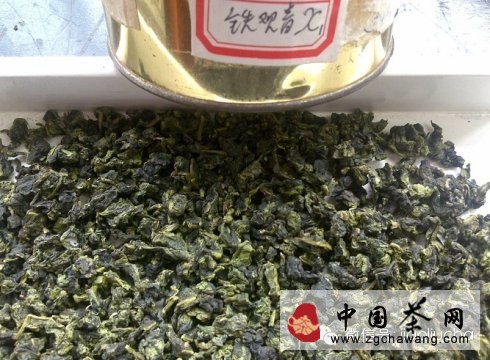
Above image: Tieguanyin
Tea examples: Fresh fragrance is typical of green tea, such as Zhuyeqing, Enshi Yulu, Mengding Huangya, and the fresh fragrance type of Tieguanyin.
6. Sweet Fragrance Type:
This aroma type includes clear sweet, sweet floral, dried fruit, sweet date, orange, honey, and longan aromas. When fresh leaves are tender at one bud, two or three leaves and processed as black tea, these characteristics may appear.
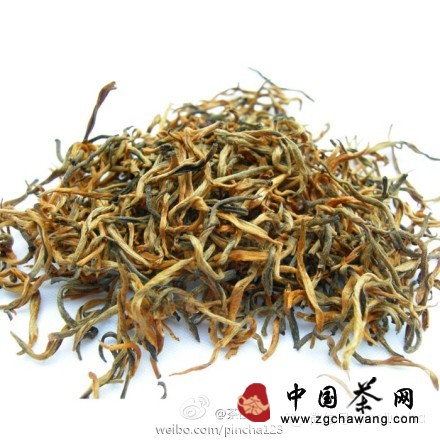
Above image: Golden Thread Dianhong
Tea examples: Sweet fragrance is the typical aroma of Gongfu black tea, such as Yihong Gongfu, Dianhong Gongfu, and Minhong Gongfu.
7. Fire Fragrance Type
When fresh leaves are relatively old, contain more stems, and undergo high-temperature baking during manufacturing, causing sugar caramelization. This aroma type includes rice cake, high fire, old fire, and rice crust aromas.
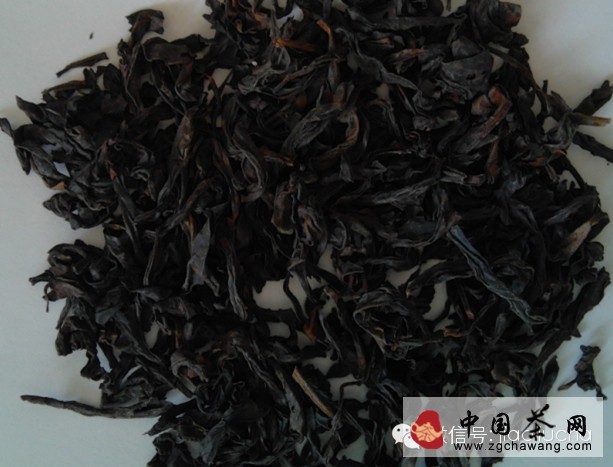
Above image: Rock Tea Rougui
Tea examples: Those belonging to this type include Huang Da Cha and Wuyi Rock Tea.
8. Aged Mellow Fragrance Type
Like Yunnan Pu'er Tea, Guangxi Liupao Tea, and Hunan Dark Tea, during long-term storage, accompanied by continuous post-fermentation and other changes, they gradually develop an aged mellow aroma over time. The "Aged Aroma" and "Chen Yun" highly regarded by many Pu'er tea enthusiasts mainly refer to this type of aroma.
Tea examples: Teas of this type include aged Pu'er tea and Liupao tea.
9. Pine Smoke Fragrance Type
Any tea that undergoes a drying process using pine, cypress, maple balls, or yellow vine for smoking generally has a pine smoke aroma.
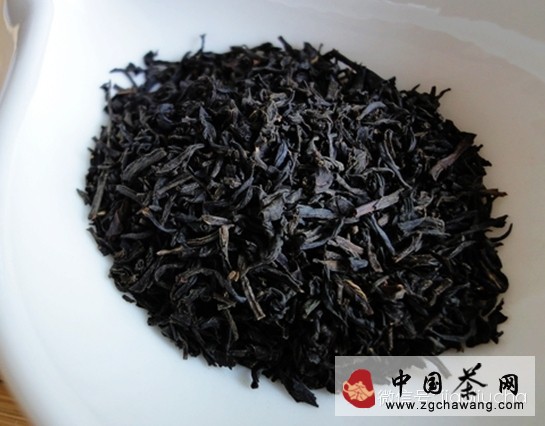
Above image: Lapsang Souchong
Tea examples: Teas of this aroma type include Lapsang Souchong, Weishan Maojian, Liupao tea, and dark rough tea.
Often, it is a comprehensive presentation of various aroma types, possibly dominated by one or several. The various aroma types listed in the teas above are the results of evaluation and scientific inspection by tea evaluation experts on hundreds of finished teas, serving as one of the important standards for assessing tea quality. Overall, generally, green tea should be fresh and brisk, black tea strong and pure, scented tea fragrantly pungent, and oolong tea rich and subtle.
When tasting tea, you might as well carefully savor what aroma type the cup of tea you are holding belongs to; it will add elegance and fun to your daily tea drinking and appreciation.