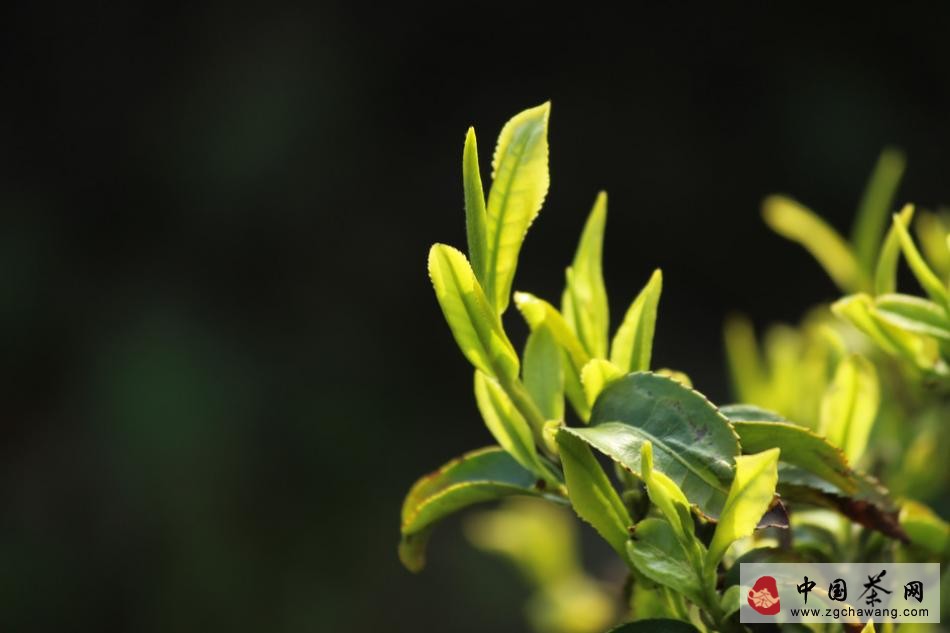
Differences between Anxi Tieguanyin spring tea and autumn tea
For oolong tea in general, the overall quality of spring tea is better than that of autumn tea! Spring tea contains more beneficial substances than autumn tea. However, the aroma of autumn tea is higher than that of spring tea, commonly known as "autumn fragrance"!
Good Tieguanyin usually comes from both spring and autumn seasons. Spring tea has better liquor quality, while autumn tea has a better aroma, so it cannot be generally said which season is better. The summer tea season is relatively short, and it tends to have a bitter taste when drunk. Winter tea does not seem to be harvested in Fujian. Additionally, Taiwanese tea is different from Tieguanyin; its best quality is in winter and spring, with winter tea being the best, followed by spring tea. Summer and autumn teas are generally not harvested.
For the same quality, spring tea has better endurance and is more resistant to brewing, while autumn tea has a better aroma and sufficient charm. If comparing "spring water and autumn fragrance," it must be done with teas from the same place.
Spring tea has the longest growth period and the richest content of substances. From this perspective, spring tea is the best, which is one of the reasons why many people previously mentioned that spring tea is the best. However, the spring tea harvesting season is often most affected by weather, especially in recent years, where adverse weather conditions have differed significantly from the past. For example, this year, good spring tea is particularly scarce. Even with more intrinsic substances, it doesn't play a fundamental role. The production of oolong tea is greatly influenced by weather. Additionally, the interval between summer tea and spring tea is very short, generally just over a month. After spring tea comes summer, with high temperatures posing strong challenges to tea storage. Therefore, many people believe that spring tea is more prone to deterioration and is not the best.
Autumn tea is generally harvested under the best weather conditions—clear and crisp autumn skies. Therefore, good teas are abundant. With the same processing steps, it is much easier to produce good tea from autumn tea compared to spring tea. Moreover, after autumn tea, winter follows, and the temperature is more suitable for tea, making it less prone to deterioration. Hence, many people consider autumn tea the best.
"Spring water and autumn fragrance" means that spring tea has a strong liquor taste, rich charm, excellent mouthfeel, and long aftertaste, while autumn tea has a high aroma and long-lasting charm.... It is indeed difficult to say clearly which is the best. Considering the growth patterns of tea trees, the biochemistry of tea, the principles of processing technology, geographical environment, and the general patterns of climate change in different seasons, the conclusion might not be so simple. Good tea depends on favorable weather, geographical conditions, and human effort; good spring tea is not easy to obtain.
Autumn tea has the best quality, with the best tea aroma and taste; spring oolong tea is somewhat bitter by nature. Although tea is not afraid of bitterness, most consumers find it unpalatable; summer and early autumn teas have too short a growth period, with inherent quality defects. Even with air conditioning assistance, it is difficult to produce good tea, at most medium-grade products.
For oolong tea in general, the overall quality of spring tea is better than that of autumn tea! Spring tea contains more beneficial substances than autumn tea. However, the aroma of autumn tea is higher than that of spring tea, commonly known as "autumn fragrance"!
Good Tieguanyin usually comes from both spring and autumn seasons. Spring tea has better liquor quality, while autumn tea has a better aroma, so it cannot be generally said which season is better. The summer tea season is relatively short, and it tends to have a bitter taste when drunk. Winter tea does not seem to be harvested in Fujian. Additionally, Taiwanese tea is different from Tieguanyin; its best quality is in winter and spring, with winter tea being the best, followed by spring tea. Summer and autumn teas are generally not harvested.
For the same quality, spring tea has better endurance and is more resistant to brewing, while autumn tea has a better aroma and sufficient charm. If comparing "spring water and autumn fragrance," it must be done with teas from the same place.
Spring tea has the longest growth period and the richest content of substances. From this perspective, spring tea is the best, which is one of the reasons why many people previously mentioned that spring tea is the best. However, the spring tea harvesting season is often most affected by weather, especially in recent years, where adverse weather conditions have differed significantly from the past. For example, this year, good spring tea is particularly scarce. Even with more intrinsic substances, it doesn't play a fundamental role. The production of oolong tea is greatly influenced by weather. Additionally, the interval between summer tea and spring tea is very short, generally just over a month. After spring tea comes summer, with high temperatures posing strong challenges to tea storage. Therefore, many people believe that spring tea is more prone to deterioration and is not the best.
Autumn tea is generally harvested under the best weather conditions—clear and crisp autumn skies. Therefore, good teas are abundant. With the same processing steps, it is much easier to produce good tea from autumn tea compared to spring tea. Moreover, after autumn tea, winter follows, and the temperature is more suitable for tea, making it less prone to deterioration. Hence, many people consider autumn tea the best.
"Spring water and autumn fragrance" means that spring tea has a strong liquor taste, rich charm, excellent mouthfeel, and long aftertaste, while autumn tea has a high aroma and long-lasting charm.... It is indeed difficult to say clearly which is the best.
If considering the growth patterns of tea trees, the biochemistry of tea, the principles of processing technology, geographical environment, and the general patterns of climate change in different seasons, the conclusion might not be so simple. Good tea depends on favorable weather, geographical conditions, and human effort; good spring tea is not easy to obtain.
Autumn tea has the best quality, with the best tea aroma and taste; spring oolong tea is somewhat bitter by nature. Although tea is not afraid of bitterness, most consumers find it unpalatable; summer and early autumn teas have too short a growth period, with inherent quality defects. Even with air conditioning assistance, it is difficult to produce good tea, at most medium-grade products.