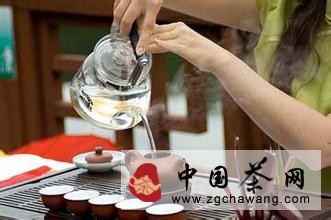
Tea that has been stored for a period, whether vacuum-packed or not, will undergo some changes. The combination of chlorophyll and polyphenol derivatives in the tea leaves can cause them to yellow or redden over time. If the tea was initially insufficiently dried or poorly processed, the tea soup may become bitter and astringent. If stored improperly, it might even develop mold. Therefore, when reopening tea that hasn't been consumed for a while, certain precautions should be taken.
First, check if the tea has mold. Place the leaves in your hand and inspect them under good light or give them a light sniff. If there's a moldy smell, do not drink it; it can be used as plant fertilizer.
If the dry leaves have a grassy or miscellaneous odor, you can ask a professional tea roaster or tea shop to handle it. If there's only a slight stale or old flavor, you can adjust the brewing method to mitigate it.
Method 1: Use higher temperature water, ideally boiling. The first infusion should be longer than usual, then discard it. From the second infusion onwards, reduce the brewing time by half, brew quickly, and try to drink it while hot.
Method 2: Lower the water temperature by a few degrees and brew for the normal duration. This can help avoid bitterness and astringency in the tea soup.
Method 3: It's better to switch to brewing in a larger pot. You can use a tea cozy and reduce the tea leaf ratio to improve the taste.