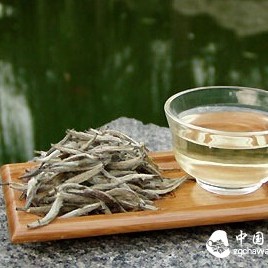
Precautions for Storing White Tea in Different Places
White tea is the most valuable tea for collection. Made with traditional techniques, it requires storage methods similar to ancient herbal medicine: sealed, dry, odor-free, and at room temperature. Storage precautions vary by location, such as at home or in a tea factory....
Tea News · Jun 17, 2026
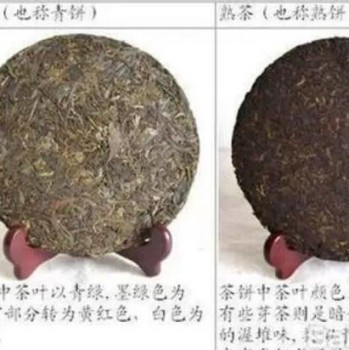
Can Raw Pu-erh Tea and Ripe Pu-erh Tea Be Stored Together?
Raw Pu-erh tea and ripe Pu-erh tea, although both belonging to the Pu-erh category, are two distinct types of tea with different processing methods and characteristics. Raw tea is naturally aged without artificial fermentation, resulting in a more astringent and stimulating taste with lighter, yello...
Tea News · Apr 22, 2026
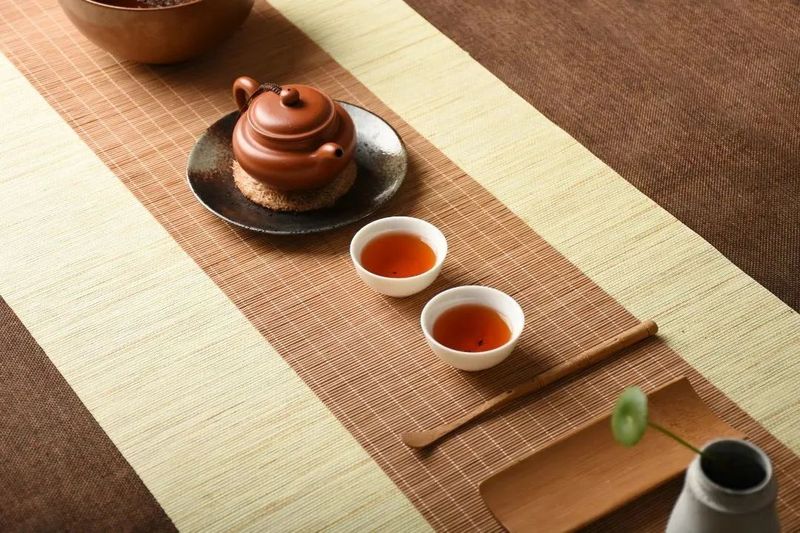
Why Should Old Tea Be Separated and Awakened Before Drinking?
Before brewing aged Pu-erh tea, it is essential to perform 'awakening tea'—a process that involves separating the tea cake into smaller pieces, airing it to remove storage odors, and then storing it in a suitable container like a purple clay or ceramic jar. This procedure helps to revitalize the tea...
Tea News · Apr 12, 2026
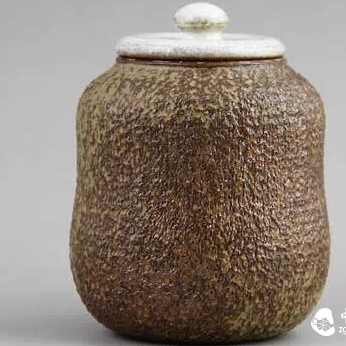
How to Store Tea to Retain Its Fragrance
Proper storage is crucial to prevent tea from losing its delicate fragrance. For those who enjoy tea, it's advisable to buy and consume it promptly. When storing tea at home, four key principles should be followed: avoid moisture, keep it in a cool and dark place, store it separately from strong-sme...
Tea News · Apr 10, 2026
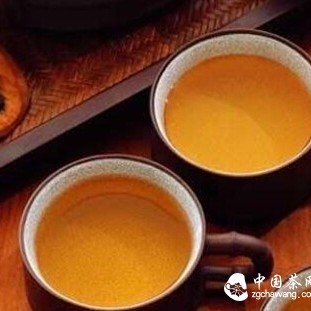
Do You Know the Shelf Life of the Six Major Tea Categories?
Tea is an integral part of Chinese culture, and drinking a few cups daily offers health benefits. Proper storage is crucial for maintaining tea quality and safety. Different types of tea have varying shelf lives. For example, black tea like Pu'er can improve with age when stored correctly, while gre...
Tea News · Feb 28, 2026
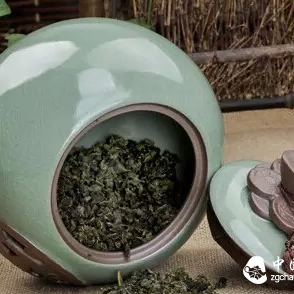
Clever Tea Storage for Longer Preservation
Tea is highly susceptible to moisture and odors, and under conditions of high temperature, humidity, sunlight, and ample oxygen, its internal components deteriorate rapidly, lowering quality and accelerating spoilage. Proper storage is crucial, especially for valuable new-harvest green teas and aged...
Tea News · Feb 03, 2026
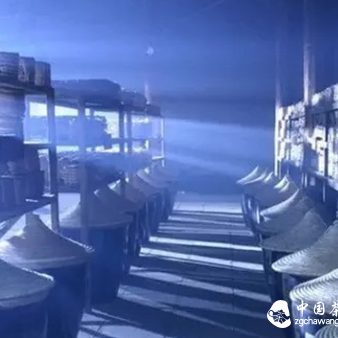
Pu'er "Storage"
The term "storage" (or "cang" originally referred to the warehouse where tea is kept, but has evolved to denote the environment and methods of tea storage. Good storage for Pu'er tea is determined by factors such as the quality of the tea leaves, the degree of compression, humidity, temperature, be...
Tea News · Jan 26, 2026
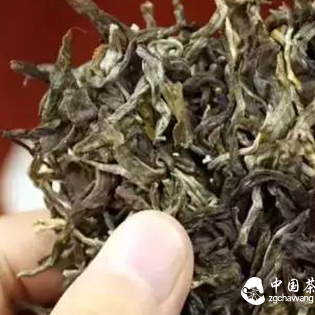
Proper Storage of Spring Ancient Tea
Spring Ancient Tea, harvested from century-old tea trees, requires specific storage conditions to preserve and enhance its quality during aging. Key factors include maintaining a natural, clean, and odor-free environment with stable temperature (ideally 20-30°C and controlled humidity (around 70% ....
Tea News · Jan 17, 2026
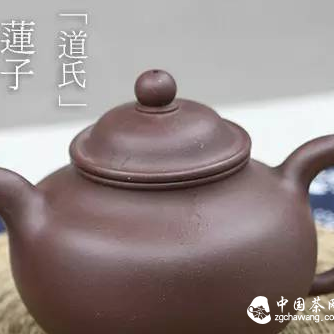
The Perfect Match of Tea and Canisters
For tea enthusiasts who enjoy purchasing and collecting various forms of tea such as tuo tea, loose-leaf tea, cake tea, and brick tea, proper storage is crucial to prevent spoilage and mold. This article introduces several types of tea canisters made from different materials, each with unique proper...
Tea News · Jan 13, 2026
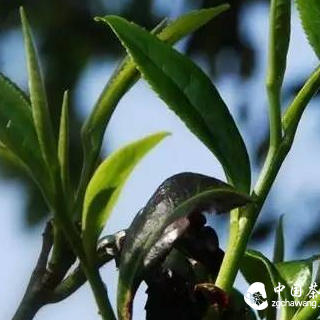
Can Raw Pu-erh Tea and Ripe Pu-erh Tea Be Stored Together?
Raw Pu-erh tea and ripe Pu-erh tea are two types of tea with distinctly different quality characteristics and should never be stored together. The primary reasons are their differing aroma profiles and leaf residue colors. Raw Pu-erh typically develops fragrances like delicate, lotus, fresh, chestnu...
Tea News · Jan 09, 2026