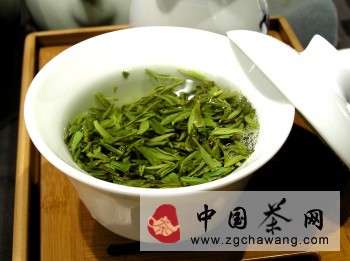
When often tasting tea, the first things to test are the taste of the tea leaves, how the aroma is, and whether it is resistant to brewing? These are all key points in selecting and drinking tea. Some tea friends have this question when drinking new tea: "The tea is very fragrant, the taste is good, but the drawback is that it is not resistant to brewing."
This issue, I believe, is encountered by both tea merchants and tea drinkers. Clearly, when selecting tea, the tea soup can still withstand brewing even after ten infusions. But after being compressed into cake tea, the taste changes. At first, I was also puzzled by this; there can be significant differences and disparities between loose tea and tea pressed into cakes.
If we were to explain this problem from the perspective of the internal substances of tea leaves or processing principles, it might take a thousand and one nights.
First, from the plucking of fresh leaves to the completion of processing, and then to sun-drying, high temperatures cause the aromatic substances in the fresh leaves to volatilize, and the enzyme activity in the fresh leaves stops changing. At this point, with sunlight, the entire process takes at most 10 hours. From fresh leaves to the slow drying after fixation, the tea's character is at its strongest, whether in terms of taste or aroma, both are very good. Therefore, most people, upon tasting loose tea and finding it good, will purchase in large quantities, only to be greatly disappointed after finding it steamed and compressed into cakes.
Why exactly is this?
To form dried tea into cakes, it first requires steaming under high-pressure steam. The steam needs to be high temperature to quickly soften the tea leaves for pressing. The high-temperature steam first increases the moisture content of the tea leaves, and secondly, causes the substances in the tea leaves to undergo transformation once again. At this stage, the tea's character is unstable.
After shaping, whether air-dried naturally or moderately dried in a baking room, the compressed tea needs to be dried in a short time. This period is actually very short, while tea, by nature, requires sedimentation and should be taken slowly. Tea drinkers all know that after buying new tea, most will choose to open and brew it only after six months, at which point the tea's taste will be more moderate and balanced.
Many tea friends buy new tea, want to taste it fresh, open the new tea, pry it apart and drink. At this time, perhaps the tea cake has just been wrapped in face paper, having undergone high-temperature steaming or moderate drying, and the tea's character is not mild. Usually, the first four brews will show strong aroma and intense flavor. Tea friends can recall this. After the 7th brew, the tea taste begins to weaken.
At this point, most people feel somewhat disappointed with the tea. Therefore, they might miss out on good tea that they should have stored.
Through communication, some tea friends and new tea drinkers will increase the number of brews, regardless of the strength of the tea's taste, to see if there is still flavor in the tea soup after ten brews.
During the several processing stages of Pu'er tea, the effect of high temperature has both advantages and disadvantages for the tea. It is not necessarily due to the internal substances of the tea leaves or problems with the tea processing technology; to a large extent, it is because the secondary high temperature causes the tea's character to be unstable.