In December 2006, as the domestic tea market prospered, the Anhua County Party Committee and County Government approved the establishment of the County Tea Industry and Tea Culture Development Leading Group, the County Tea Association, and the Tea Industry Bureau to coordinate the development of the county's tea industry. The county also issued documents such as "Opinions on Expanding and Strengthening the Tea Industry" and its "Implementation Rules," as well as "Notice on Uniformly Building the 'Anhua Dark Tea' Brand in the County." Medium and long-term development plans for the tea industry were formulated, incorporating the dark tea industry as a key component of the "3+2" county economic development strategy. With the "Top 100 Teahouses" award ceremony and summit forum, Anhua Dark Tea once again sparked a wave of enthusiasm.
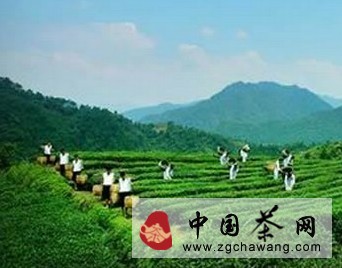
Anhua is located in a subtropical monsoon climate zone with diverse topography, abundant resources, and fertile soil, providing excellent ecological conditions for tea tree growth and tea processing. As a unique geographical indication product, Anhua Dark Tea refers to various finished dark tea products made from raw materials in specific regions, following specific processing techniques, and possessing unique quality characteristics. The main series of products include "Three Tips, Three Bricks, and One Thousand Taels." Within a certain aging period, the quality of Anhua Dark Tea improves over time, becoming increasingly perfect and more valuable.
At the same time, dark tea has significant effects in supplementing dietary nutrition, aiding digestion, reducing lipids, and regulating gastrointestinal functions, earning recognition and preference from a growing number of consumers. This forms the consumption base for dark tea. Tea enterprises continue to introduce various convenient premium dark teas, dark tea beverages, and deep-processed products, enabling Anhua Dark Tea to meet the needs of different markets and consumer types. Currently, Anhua Dark Tea is gradually shifting from traditional border markets to domestic and international markets, creating consumption trends in coastal cities of the Pearl River Delta and Yangtze River Delta regions.
In terms of policy, Anhua County is a nationally advantageous tea-producing area, a key tea-producing county, and a national key county for poverty alleviation and development. It is also a main battlefield for regional development and poverty alleviation in the Wuling Mountain area. The "Wuling Mountain Area Regional Development and Poverty Alleviation Plan (2011-2020)" formulated by the State Council Poverty Alleviation Office and the National Development and Reform Commission has included the Anhua Dark Tea industry as a characteristic agriculture sector to be supported. Hunan Province is fully committed to building a trillion-yuan Hunan tea industry. The provincial government has issued the "Opinions on Comprehensively Promoting the Quality Upgrade of the Tea Industry" (Xiang Zheng Fa [2013] No. 26). As a characteristic advantageous industry with significant driving and growth potential, the Anhua Dark Tea industry has received high attention and support from the provincial party committee, provincial government, and all sectors of society.
Currently, the Anhua Dark Tea industry holds 119 patents and more than three provincial or ministerial-level scientific research achievements. Anhua County has established close ties with research institutions such as the Hangzhou Tea Research Institute of the All-China Federation of Supply and Marketing Cooperatives and Hunan Agricultural University. By constructing corresponding technical standard systems, the county has established fully clean, standardized, and modern production lines as well as pollution-free raw dark tea material demonstration bases.