When purchasing Yunnan large-leaf sun-dried tea, while paying attention to the "normal" internal and external quality of the tea leaves, the following issues should also be noted:
(1) Pay attention to the seasonal changes in tea quality: The quality of tea changes with the seasons throughout the year. Spring tea is the best, autumn tea is second best, and summer tea is poorer. Regarding spring tea, an agricultural proverb says: "Tea leaves before Qingming are a treasure, tea leaves after Lixia turn into grass, tea leaves around Grain Rain are just right." Therefore, tea leaves before Grain Rain should be the focus of procurement.
(2) Pay attention to the influence of the tea's growing conditions on its quality: Different growing environments have different effects on tea quality. An ancient saying goes: "Tea fields facing south are best, those in shade are inferior. Thus, on one mountain, the quality can vary greatly." This means tea produced from southeastern or southern slopes is of better quality than that from northern or northwestern slopes. Also, "High mountains and clouds produce good tea," meaning tea grown at higher altitudes in cloudy, misty environments is generally better. However, "high mountain" tea does not mean the higher the altitude, the better. Compared to inland tea regions, most tea regions in Yunnan are already considered very "high mountains."
If the altitude is too high, tea leaves accumulate less chlorophyll, amino acid content decreases, while the content of bitter and astringent substances like tea polyphenols and anthocyanins increases. This causes the tender leaves to appear yellowish, or even show white, smooth leaves similar to symptoms of "zinc" deficiency. Tea leaves from such origins are more suitable for processing into "black tea" categories. When processed into sun-dried green tea, they lack freshness and are excessively bitter and astringent. In Yunnan, sun-dried green tea processed from leaves grown at altitudes between 1,200 and 1,800 meters generally has better overall quality.
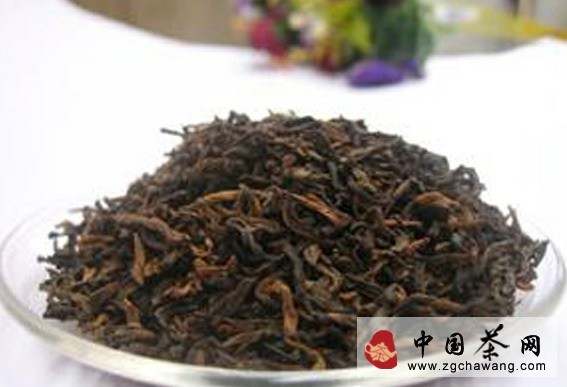
(3) Pay attention to the rolling quality of the tea strips: The rolling quality of the tea strips mainly refers to two aspects: rounded shape and dark, glossy appearance. "Rounded tea strips" indicate good rolling quality. Flat, broken, or loose strips are signs of rough processing or coarse, old tea leaves. "Dark and glossy tea strips" show that after rolling, some leaf cells have ruptured, releasing "cell sap." This is the foundation for obtaining sufficient "tea aroma" and ensuring the water extract content reaches or exceeds 38%. Insufficient rolling leads to low cell breakage rate, resulting in tea with a weak taste, low aroma, slow release of tea juice during brewing, and significant waste of effective nutrients.