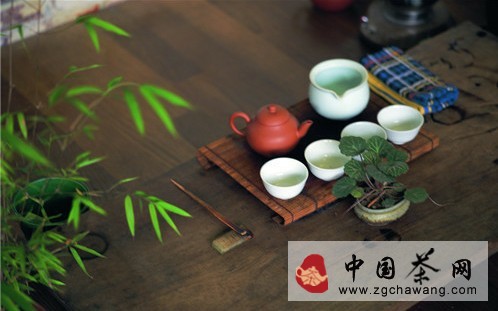
Chinese people have a long history of drinking tea in tea houses, and the term "Four Major Tea Hubs" refers to cities where tea house culture is most prevalent. If we were to identify the cities with the most abundant tea house culture in China today, Hangzhou lies in the east, Chengdu in the west, Chaozhou-Shantou in the south, and Beijing in the north. Major brands like Taiji Tea Ceremony, Lao She Teahouse, Sentosa, and Wufu Tea Art Gallery all originate from these cities with an extremely strong "tea atmosphere".
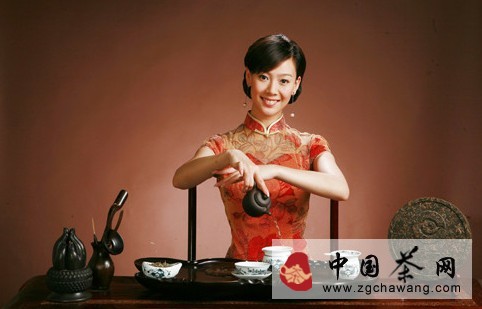
In Hangzhou, tea drinking is about refined culture. "The elegant landscape of lakes and hills pleases the discerning eye, while conversations over tea and rattan vines resonate with a meditative heart." The Qingteng Tea House by West Lake has become a representative of Hangzhou's thousands of tea houses. Designed with the architectural style of the China Academy of Art, it features wooden circle chairs, red satin cushions, and spider plants cascading down gracefully. The most stunning aspect is the omnipresent wood carvings, all from Dongyang, renowned as the "best under heaven," pushing "quaint charm" to the extreme. Sitting by the West Lake, having a tea master from "Taiji Tea Ceremony," dressed in a grey-blue robe, brew a pot of tea, while the calls from Hefang Street harmonize with the rising and falling of the waiter's long-spouted pot—in such a scene, one is intoxicated by the atmosphere even before the tea.
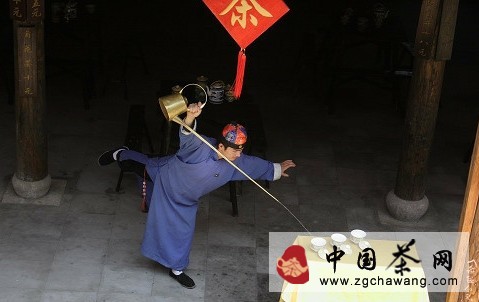
In Chengdu, tea drinking embodies平民文化. Chengdu people's earnestness in enjoying life surpasses even that of Yangzhou residents. When Chengdu people drink tea, it's truly "Longmenzhen (lively chat), big bowl tea"—they don't fuss over the quality of the tea or the environment. Under the shade of a large tree or beneath a simple awning, casually setting up tables and stools is enough to enjoy tea, seeking the life experience beyond the act of drinking itself. The only aspect with great讲究 is the technique of pouring tea with long-spouted pots, which has many styles and schools, such as "Emei" and "Qingcheng," and it has always been difficult to determine which is superior.
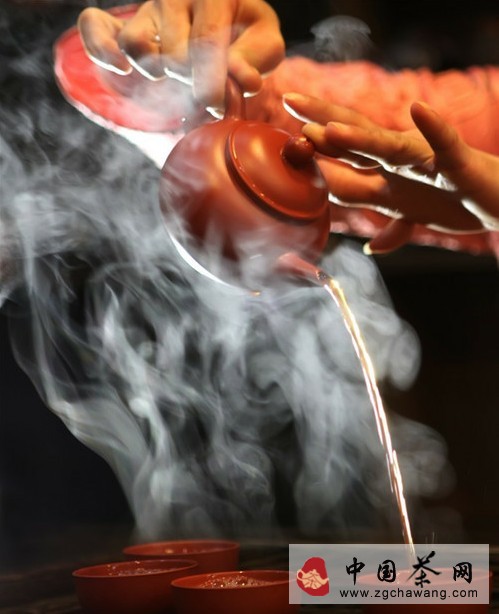
In Chaozhou-Shantou, tea drinking is about the culture of the tea ceremony. Chaozhou "Gongfu Tea" is famous both domestically and internationally. Gongfu Tea is highly particular about everything from tea selection and brewing skill to tea sets. Water is drawn from mountain springs, olive pits are used as charcoal fuel, and water boiled with a small fan is sweet, mellow, and pure in taste. Tea leaves, such as Oolong and Tieguanyin, are considered superior. The tea set is a collection of exquisite handicrafts: a tea boat, a "Mengchen Pot," and three small, delicate cups as thin as paper and sounding like a chime, accompanied by a tea caddy and a water jar, hence the local saying, "Three for tea, four for wine." The "routine" of pouring tea is even more particular, summarized elegantly as: "Pour high, strain low; rinse the lid, skim the foam; Guan Gong tours the city; Han Xin points the soldiers." Tea brewed this way has an amber color and a rich, lasting fragrance.
In Beijing, tea drinking reflects a贵气文化. At the foot of the Imperial City, everything carries an air of grandeur, with a sense of nobility embedded within. The tea soup brewed for over a decade at Lao She Teahouse appears more majestic and luxurious compared to tea houses in other provinces. Strings of big red lanterns hang, drums and gongs resound loudly on stage—Peking opera finishes and crosstalk takes over, all very direct. When drinking tea here, the waitstaff are eager to educate, recounting tea culture knowledge in great detail: glass cups should be used for green tea, lidded bowls for scented tea, and Gongfu tea sets for Tieguanyin—no ambiguity is allowed. As tea drinkers, one gladly listens to these fascinating explanations. Drinking tea can reveal the culture of various places; a single cup of tea in hand brews the local folk customs and practices.
According to statistics from relevant departments, there are currently over 125,000 tea houses nationwide, employing more than 2.5 million people, already forming a significant force in China's leisure and cultural industry. The tea house industry has made positive contributions to the economic development and the enrichment of spiritual and cultural life across various regions.