[Main Text] China is the homeland of tea and the cradle of tea culture. The discovery and utilization of tea in China have a history of nearly five thousand years, enduring and spreading worldwide. In Beijing, the tea market has grown from small to large, with tea malls and individual shops developing rapidly, leading to an increased demand for talent in the tea market. So, where do these talents come from? What skills and qualities should they possess? Fu Guangli, Secretary-General of the Beijing Tea Association, explains the trends in talent development within the tea market.
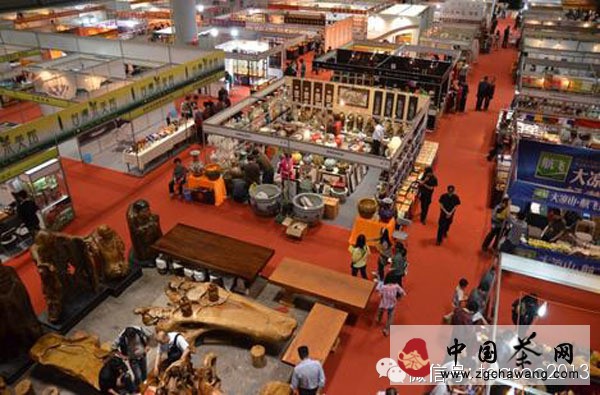
Diversification of Talents in the Tea Market
In ancient times, tea merchants typically grew, processed, and sold tea themselves. As tea became a commodity in the market, some merchants stopped growing tea and began trading and selling it. These were considered the talents in the tea market at that time. With the passage of time, increasing demand for tea, and the continuous expansion of the tea market, especially in modern society where tea is used as a gift and gradually enters the international market, the talent in the tea market has become more diverse. Roles such as tea evaluators, tea distributors, tea farmers, and tea sales personnel have emerged—some grow tea but do not sell it, some sell tea but do not grow it, some only taste tea without growing or selling it, and some help tea merchants sell tea without growing, selling, or tasting it. There are also those who grow, taste, and sell tea, forming a tea industry chain and expanding their tea business.
Multiple Channels for Sourcing Talent in the Tea Market
These talents primarily come from tea farmers, tea operators, and tea shop sales personnel. Through their marketing experiences, they gradually develop unique insights and combine them with theoretical knowledge of tea, eventually becoming tea experts or leaders in the tea industry. Such examples are increasing year by year.
However, elite talents in the tea market are still scarce, as most rely solely on accumulated sales experience without systematic professional training. To address this, some universities and colleges have begun offering tea-related majors, enrolling students to provide them with theoretical knowledge and nationally recognized higher education qualifications. After graduation, these students can combine their theoretical knowledge with practical operations in tea factories, tea markets, or related departments.
Some tea-related organizations also conduct regular or irregular business training for operators, sales personnel, and producers in the tea market. For example, the Beijing Tea Association holds annual training sessions or skill competitions to enhance their skills and broaden their horizons.
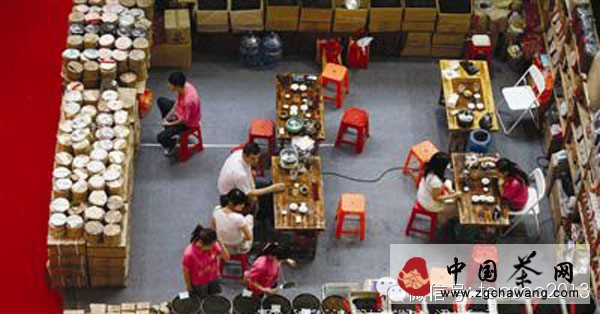
Talents in the Tea Market Should First Possess Good Qualities
To become qualified talents in the tea market, individuals must not only master specific skills but also demonstrate dedication, love for their work, and a spirit of contributing to society. These are basic qualities required in every industry, and the tea market is no exception.
Currently, as a major tea consumption area, Beijing's tea consumers have continuously rising demands for the tea market. However, comprehensive talents in the tea market are in short supply. To address this situation, comprehensive talents should be nurtured through a combination of learning and practice.
Yu Guanting, Vice President of the International Tea Science and Culture Research Association, once advised young tea professionals: "Qualified talents in the tea market are not those who merely master one or two tea processing skills or achieve top sales records. Instead, they should continuously learn new knowledge and skills using scientific methods to meet the demands of the tea market, striving to become versatile and comprehensive talents. Therefore, one must embrace lifelong learning."
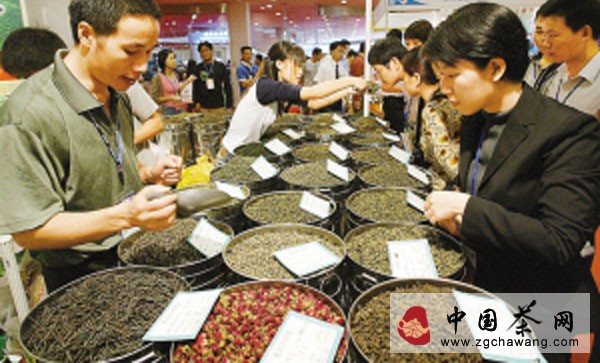
Skills Required for Talents in the Tea Market
Chinese tea can be classified in various ways based on differences in processing methods, quality variations, and the unique effects of each type of tea. As talents in the tea market, after acquiring the necessary qualities and basic skills, they must further enhance their professional knowledge and experience beyond their immediate roles.
Additionally, talents in various positions within the tea market can learn from one another. For example, tea sales personnel can study marketing psychology and accumulate sales experience while also learning about tea processing techniques and understanding the tea-making process. Tea processors, aside from studying tea processing techniques, can explore skills such as tea cultivation.
By focusing on their roles while learning and practicing skills, single-skilled talents can gradually transform into comprehensive talents, thereby continuously improving the overall quality of the talent pool in the tea market.