Chinese tea drinking has a long history, deeply ingrained in daily life and forming a unique tea culture. Throughout the development of tea culture, various tea utensils have emerged, among which Yixing teapots are particularly closely associated. When brewing tea with a Yixing teapot, the longer it is used, the more glossy and antique the pot becomes, and the tea soup brewed becomes more mellow and fragrant. Even pouring boiling water into an empty pot releases a light tea aroma. Scientific analysis shows that Yixing teapots preserve the original flavor of tea, allowing us to enjoy its pure taste. Thus, tea and teapots have formed an inseparable bond.
Yixing teapots vary in shape, clay, and capacity. Different teas paired with different pots yield distinct tastes.
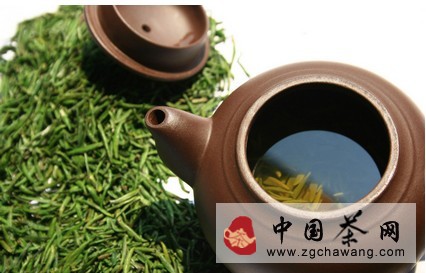
Green Tea Pairing with Yixing Teapot
Green tea is a non-fermented tea and the most produced tea in China, accounting for about 70% of total tea production. It also has the longest history among tea types. Green tea is widely produced in China, with key provinces including Zhejiang, Henan, Anhui, Jiangxi, Jiangsu, Sichuan, Hunan, Hubei, Guangxi, Fujian, and Guizhou. Made from tender tea shoots through processes like fixation, rolling, and drying, green tea is named for its green hue in dry leaves, tea soup, and brewed leaves. It retains most natural compounds from fresh leaves, such as tea polyphenols (over 85%) and caffeine, with about 50% chlorophyll preserved and minimal vitamin loss. This results in a clear, green soup with a strong, astringent taste. Recent studies indicate that green tea's natural components offer unique benefits like anti-aging, cancer prevention, anti-bacterial, and anti-inflammatory effects, surpassing other teas.
Major varieties include: West Lake Longjing Tea, Biluochun, Huangshan Maofeng, Lushan Yunwu, Liuan Guapian, Taiping Houkui, Guzhu Zisun Tea, Xinyang Maojian, Zhuyeqing, Enshi Yulu, and Putuo Fo Tea.
Green tea has a tender, green soup and is sensitive to overheating, so choose a teapot with:
Clay: All types, including purple clay, green clay, and red clay.
Shape: Large lid, short and stout body rather than tall.
Capacity: 250cc and above.
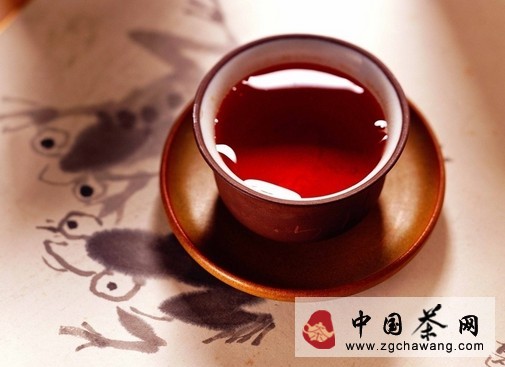
Black Tea Pairing with Yixing Teapot
Black tea is the opposite of green tea—a fully fermented tea (fermentation degree over 80%). Its name comes from the red hue of the tea soup. During processing, chemical reactions occur: tea polyphenols decrease by over 90%, producing theaflavins and thearubigins. Aromatic compounds increase from 50 to over 300, while caffeine, catechins, and theaflavins form complexes that create black tea's rich, sweet, and mellow character. Black tea aids digestion, boosts appetite, diuresis, reduces edema, and strengthens heart function. It has strong antibacterial properties, helping prevent colds, tooth decay, food poisoning, and lowering blood sugar and hypertension. Long-term consumption reduces cardiovascular risks.
Main Chinese varieties: Keemun (from Anhui and Jiangxi), Dianhong (Yunnan), Huohong (Anhui), Suhong (Jiangsu), Yuehong (Hunan), Chuanhong (Sichuan), and Yinghong (Guangdong). Keemun Black Tea is especially famous. Globally, India and Sri Lanka also produce black teas. Gongfu black tea is a unique Chinese variety and traditional export. The world's four major black teas are: Keemun, Assam, Darjeeling, and Ceylon.
Black tea has a long-lasting aroma, sweet nature, and red, dense soup. Choose a teapot with:
Clay: Purple clay, red clay, Jiangpo clay, etc.
Shape: Tall, deep, and narrow body.
Capacity: 200cc and above.
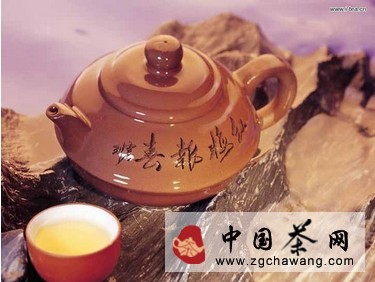
Oolong Tea Pairing with Yixing Teapot
Oolong tea, also known as blue tea, is semi-fermented and named after its creator. It comes from the same plant as green tea but differs in fermentation. During fermentation, catechins combine, darkening the tea and reducing astringency, forming oolong tea polyphenols. These compounds, along with antioxidants, impact enzyme activity in the body. About half of catechins convert to oolong tea polyphenols, giving oolong unique benefits like cavity prevention, antioxidant effects, skin allergy relief, weight loss, anti-tumor properties, and anti-aging.
Mainly produced in Fujian, Guangdong, and Taiwan. Best varieties include Wuyi Rock Tea (Fujian), Tieguanyin (Fujian), Guangdong Dancong, and Taiwan Dongding Oolong. Oolong is also called Kung Fu Tea due to its precise brewing methods, requiring specific teapots:
Clay: Purple, green, red, or Jiangpo clay; red clay is ideal, especially Zhuni, which has high density and minimal aroma loss, enhancing oolong's fragrance.
Capacity: 80cc to 200cc, depending on tea amount.
Shape: For Tieguanyin, short bodies are better to release floral notes smoothly.
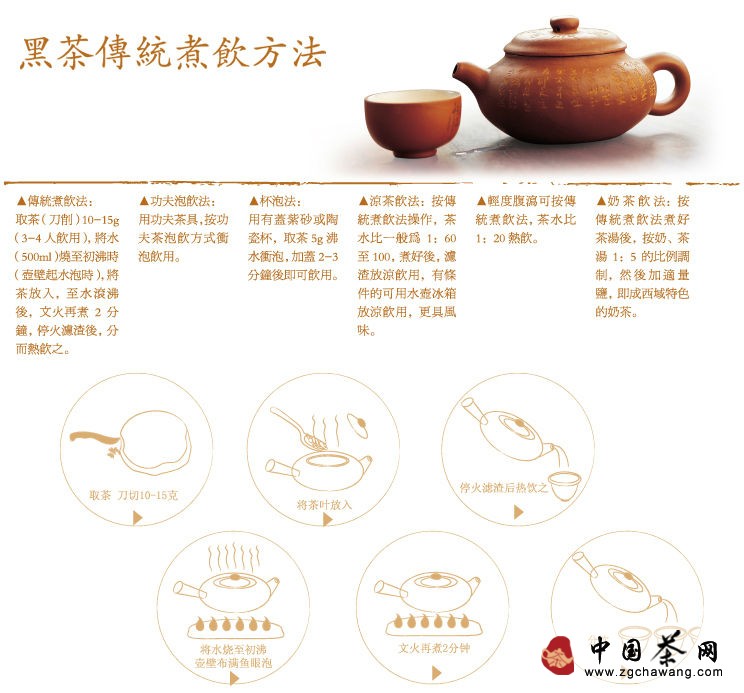
Dark Tea Pairing with Yixing Teapot
Dark tea is a post-fermented tea, unique to China with a long history, often compressed. It involves microbial fermentation and has over 400 years of history. Made from coarse leaves piled for extended fermentation, it develops a dark brown color, hence the name. Dark tea offers benefits like supplementing nutrients, aiding digestion, reducing grease, improving gut health, lowering lipids, weight loss, softening blood vessels, preventing cardiovascular diseases, anti-aging, cancer prevention, blood pressure reduction, blood sugar control, anti-bacterial effects, and detoxification.
Mainly produced in Hunan (Anhua), Hubei, Sichuan, Yunnan, and Guangxi. Key varieties: Anhua Dark Tea, Hubei Lao Bian Tea, Sichuan Border Tea, Guangxi Liubao Tea, and Yunnan Pu-erh Tea. Yunnan Pu-erh is especially renowned.
Dark tea has a strong, dark soup. Consider:
Clay: Purple clay (for raw and ripe Pu-erh), green clay (for raw Pu-erh).
Shape: Pots with large bellies to avoid overly strong tea soup.
Capacity: 200cc and above.
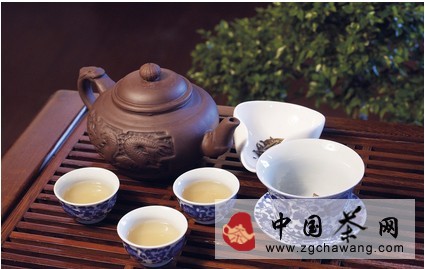
Yellow Tea Pairing with Yixing Teapot
Yellow tea features tender, hairy buds and a fresh, mellow aroma. Its process is similar to green tea but includes a yellowing step, resulting in yellow soup and leaves due to pile fermentation. Methods vary by variety, such as Junshan Yinzhen from Hunan, made from fat buds through ten steps including fixation, spreading, and drying, yielding golden, hairy needles.
Main production areas: Anhui, Guangdong, Guizhou, Hunan, Hubei, Sichuan, Zhejiang. Classified by bud size: yellow bud, yellow small leaf, and yellow large leaf. Key varieties: Junshan Yinzhen, Weishan Maojian, Huoshan Huangya, Huoshan Large Yellow Tea.
For yellow tea:
1. Clay: All types, including purple, green, and red clay.
2. Shape: Large lid.
3. Capacity: 200cc and above.
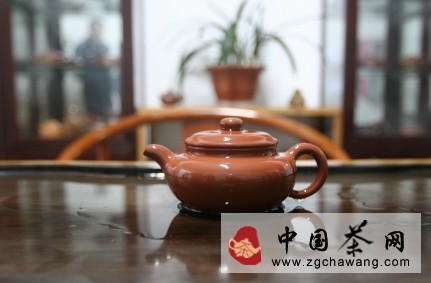
White Tea Pairing with Yixing Teapot
White tea is characterized by silvery-white hairs, giving a "green dressed in white" appearance, with plump buds, yellow soup, fresh taste, and tender brewed leaves. It offers medicinal benefits like reducing heat, detoxifying, cancer prevention, and toothache relief, especially aged varieties.
Processing involves withering and drying, crucial for preserving enzyme activity without oxidation, maintaining aroma and freshness. Mainly from Fujian (Fuding, Zhenghe, etc.), varieties include Silver Needle, White Peony, Gongmei, and Shoumei. Silver Needle, with straight, hairy buds, is among the most beautiful teas.
White tea needs a cooling brewing environment:
Clay: Purple or green clay.
Shape: Large lid, narrow belly, tall body.
Capacity: 300cc and above.
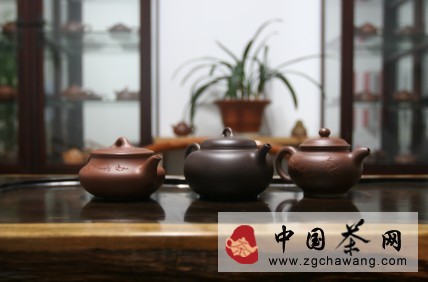
Other Teas Pairing with Yixing Teapot
Beyond the six basic types, there are reprocessed teas like scented tea, compressed tea, concentrated tea, instant tea, liquid tea drinks, flavored tea, and health tea. Scented tea blends flowers with green, black, or oolong tea. Compressed tea is steamed and pressed from various teas.
For scented tea, choose:
Clay: Purple, green, or Jiangpo clay.
Shape: Large lid, moderate belly.
Capacity: 250cc and above.