The Chinese word 'black' translates to 黑, and 'red' translates to 红, so why is Chinese red tea translated into English as 'black tea' instead of 'red tea'?
As is well known, China is the birthplace of tea. In early times, China was the world's only tea-producing country. At that time, all tea circulating worldwide was produced in China. According to Chinese thinking, the English translation of red tea should be 'red tea,' so why is black tea the English name for red tea?
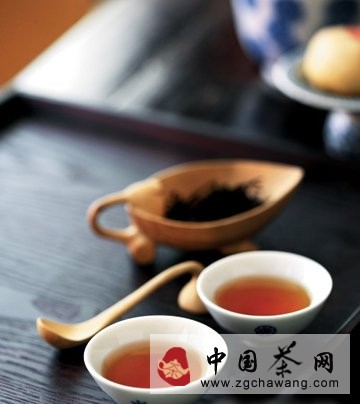
To understand the true background of that time, we must start with a piece of history.
The Dutch East India Company (established in 1610) was the first to introduce tea to Western Europe, but the tea at that time was not black tea; it was green tea. Since the Dutch controlled the world's tea trade at that time, Britain could only import tea from the Netherlands.
In 1669, Britain enacted a law prohibiting the import of tea from the Netherlands. During the same period, the Anglo-Dutch Wars broke out (1652-1674). Britain defeated the Netherlands and seized the tea trade rights. From then on, Britain's domestic tea needs were met by direct imports from China.
In 1689, Britain established a base in Xiamen, Fujian Province, China, to purchase large quantities of Chinese tea. Britain's higher consumption of black tea compared to green tea, and the development of its unique black tea culture, are both related to the above historical events. Because the tea purchased in Xiamen was semi-fermented tea of the black tea category—Wuyi tea. Large quantities of Wuyi tea flowed into Britain, replacing the original green tea market and quickly becoming the mainstream tea in Western Europe. Wuyi tea is dark in color, so it was called 'Black tea'.
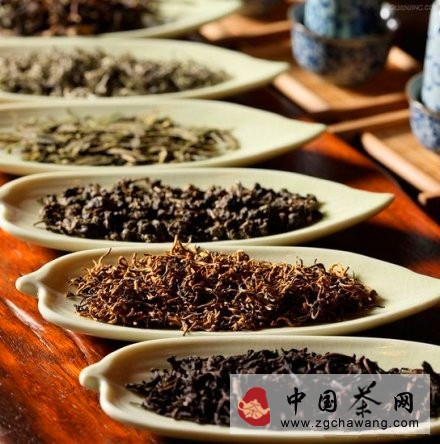
Later, tea scholars classified tea based on its production methods and characteristics. Wuyi tea, when brewed, has a red liquid and red leaves, and according to its properties, it belongs to the black tea category. However, the British customary term 'Black tea' has continued to be used to refer to red tea.