Deng Shihai's "Pu-erh Tea" states that Pu-erh tea aromas fall into four major categories: green fragrance, lotus fragrance, camphor fragrance, and orchid fragrance. He believes orchid fragrance comes from the mixed aging of camphor and green fragrances, and that camphor and orchid fragrances must come from old Yunnan garden arbor tea trees growing intermingled with camphor trees, their roots intertwined. Current "shrub" teas lack camphor and orchid fragrances because they don't grow with camphor trees, so modern Pu-erh tea only has lotus and green fragrances. Furthermore, ordinary people often confuse green leaf fragrance with fragrant orchid fragrance. I was half-convinced and half-doubting about this claim until I visited those old tea gardens and even saw primitive wild tea trees, then I knew he was wrong.
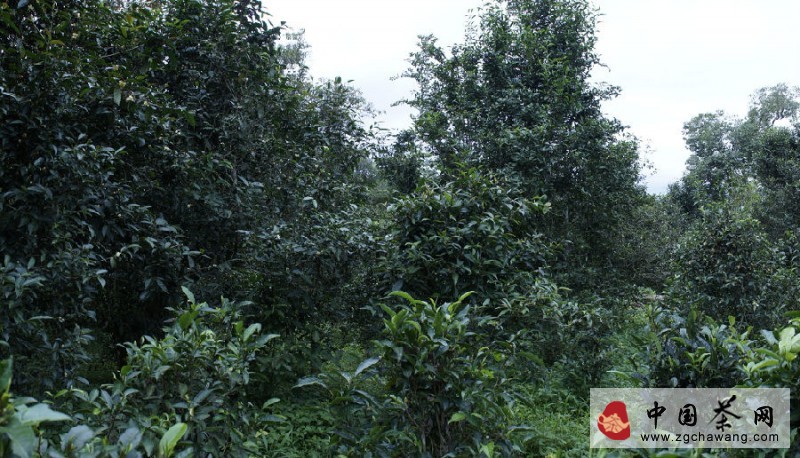
First, the tea varieties suitable for making Pu-erh in Yunnan are all of the arbor type. Precisely, the tea trees in new, densely planted, clonally propagated gardens (terrace plantations) are all standard, uniform arbor varieties. Second, many fine Chinese teas have orchid aromas, and they are precisely shrub varieties. If Pu-erh tea must grow in old gardens, intermingled with camphor trees, and be stored for many years to transform into orchid fragrance, then can Pu-erh still be called the "tea among teas" (Deng Shihai's words)?
Perhaps Deng's error stems from misinterpretation. On page 44 of "Pu-erh Tea," I saw the reference material he cited stating that mixed growth of camphor and tea results in excellent quality. He further extrapolated and deduced that "Yunnan has many camphor forests, and they grow together with 'arbor' Pu-erh tea trees, their roots intertwined. The tea trees absorb the aroma and potency of the camphor trees through their roots. Not only that, but because camphor tree branches and leaves also emit camphor aroma, the fresh leaves of the tea trees directly absorb and store the camphor aroma."
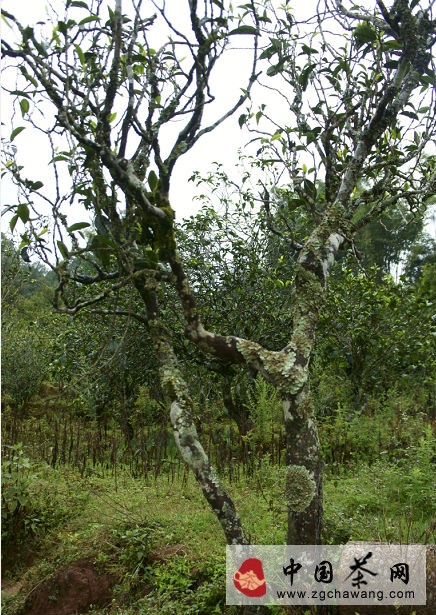
Not only Deng Shihai, but even some authoritative books share this misunderstanding. For example, the "China Famous Tea Records" cited in "Pu-erh Tea" also has this misconception, saying famous tea aromas are absorbed from mixed-growth plants. For instance, introducing Biluochun: "Because tea gardens and orchards are planted together, their root systems connect, and the floral and fruity aromas cultivate Biluochun, giving it the natural quality of floral and fruity fragrance." I wonder if the White Hair Tea, one of the "Three Treasures of Renhua"—"orchid, white hair tea, and mushroom"—I drank as a child, now claims its orchid fragrance comes from Renhua's wild orchids?
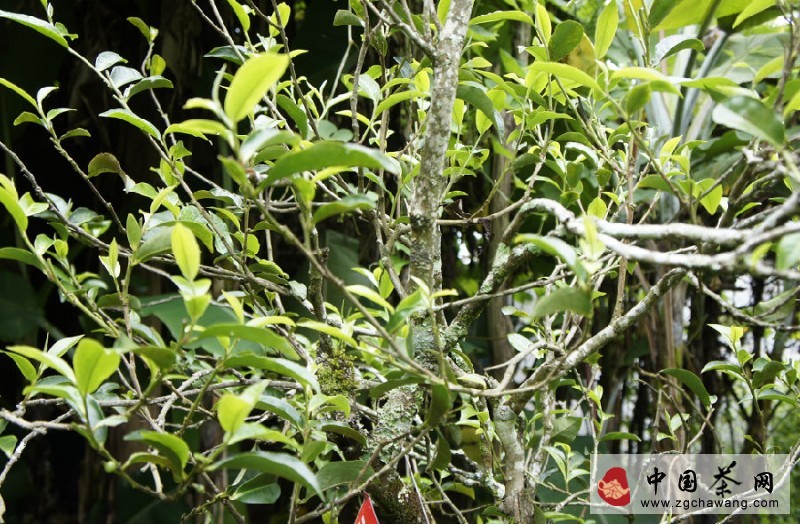
Such a viewpoint is acceptable for promoting eco-friendly tea gardens, but using it to explain tea aroma is not only far-fetched but fundamentally wrong from multiple aspects. First, if growing with camphor trees can produce camphor aroma, then future garden teas could easily have camphor aroma. Just plant camphor trees. In reality, the Menghai area is now developing intercropping of camphor and tea! In newly planted, dense gardens, one can often see camphor trees, with several in a small tea plot. In contrast, old tea gardens with various mixed plants have very few camphor trees. Large camphor trees are often seen in primitive forests, but judging by their distance from wild large tea trees, their roots likely do not intertwine. So, in the future, should new gardens have camphor aroma, while old gardens and wild large tea trees lack the so-called "camphor aroma"? Camphor in Xishuangbanna is mainly produced in Menghai County. The distribution of camphor trees centers on the Menghai basin where the county seat is located, radiating to the edges of the Mengsong, Mengzhe, and Menghun basins and Menggang. According to a survey by the Menghai County Science and Technology Commission in the late 1980s, there were 323,499 camphor trees locally, 70% distributed around the Menghai basin. It wasn't until modern times that Menghai began establishing pure camphor forests. The tribute teas of the Qing dynasty, and even the "Haoji" and "Yinji" grade teas, are said to have used tea leaves from the ancient Six Great Tea Mountains in Simao as raw material.
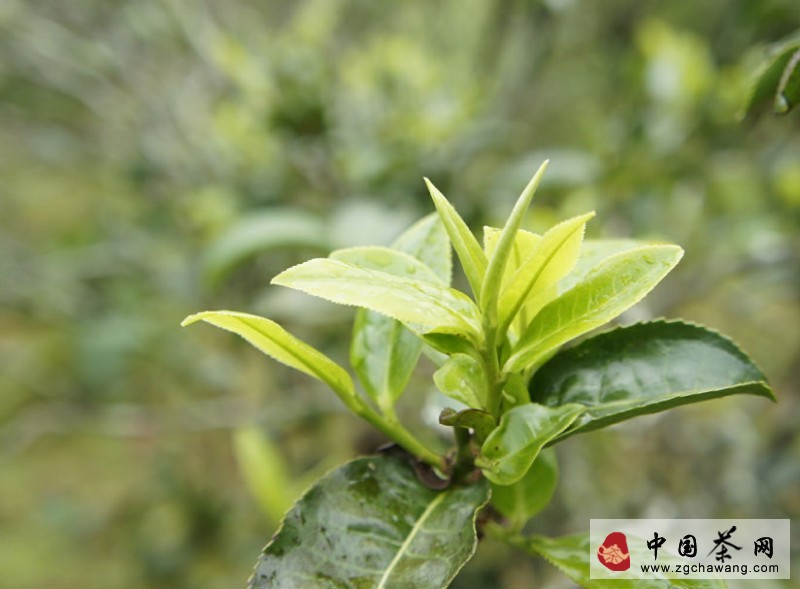
Second, good aroma results from high-quality fresh leaves, plus appropriate processing techniques, especially proper water loss and withering as well as roasting. Intercropping crops with tea trees is an effective method to improve the yield and quality of fresh tea leaves (except in some areas of Africa). Planting crops beside tea trees mainly involves cash crops. For example, planting camphor trees in Menghai, bananas or rubber in Mengla and Hainan, osmanthus, plum blossoms, magnolias, peach trees, and apricot trees in Jiangsu. This primarily considers economic value, preventing soil erosion, providing shade, controlling pests and diseases, and preventing autotoxicity of single crops. Additionally, it has been known since ancient times that the best growing environment for tea trees is sunny yet shaded. The aroma profiles of tea products vary widely; even products from a single garden can have various aromas. For example, in terms of tea production, as the degree of withering and different processes vary, aromas will sequentially include raw green odor, fresh fragrance, floral fragrance, floral-fruity fragrance, ripe fruit fragrance, etc. Now that Menghai is planting many camphor trees in tea gardens, will all future garden teas (terrace teas) have camphor aroma? Will teas from Mengla and Hainan all have a rubbery taste? It seems our future choices will be too limited! Moreover, mixed-growth environments have numerous tree species. According to expert authority, wouldn't tea trees in such mixed environments have a jumble of flavors, making them inferior and hard to sell? What value would the antique teas recommended by Professor Deng have then?
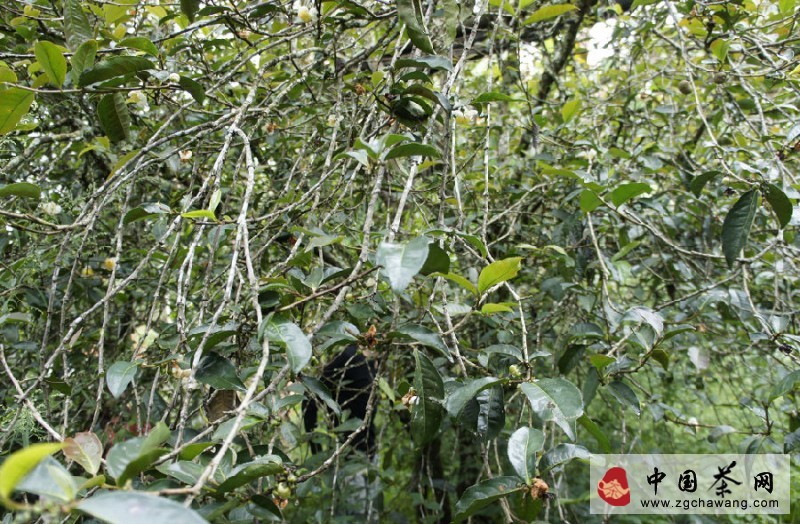
Third, if camphor and tea grow together with intertwined roots, allowing camphor aroma to be tasted in Pu-erh, then since the mixed plants and tea trees are root-connected, causing the tea to have unusual aromas, these plants should also have tea aroma. Therefore, when we drink jasmine or roses grown with tea trees, or even eat peaches or plums grown with tea trees, we should taste tea aroma and flavor. In the future, we wouldn't need scented tea or tea-flavored plums. Is that possible? Camphor trees are common in Banna, and some people boil their water for medicinal purposes. Has anyone ever drunk camphor wood water with a tea aroma? I can assure everyone that among the many types of camphor-scented teas I've tasted on the market, their aroma is completely different from the boiled water of fragrant camphor wood I've drunk.
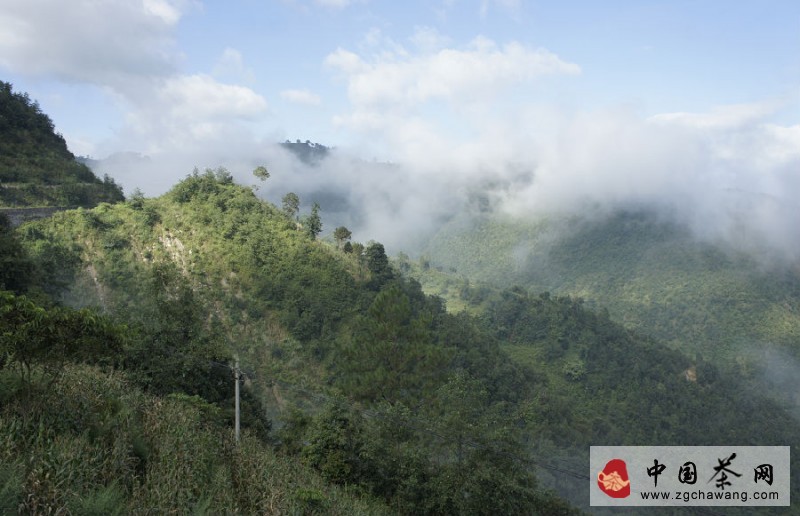
Fourth, the aromatic substance content in fresh tea leaves is about 0.02%~0.05%, comprising 100~200 types of aromatic substances. After various processing steps, green tea contains over 300 types, and black tea has about 500 types. Generally, tea aroma decreases from the first to the third leaf (the main vein of tender leaves is relatively higher), with the tender stem having the highest content. The various aromas of tea are determined by different types of aromatic substances, a comprehensive manifestation of multiple biochemical components. Moreover, only components exceeding the human sensory threshold can be smelled. Isn't it best to drink tea for its pure tea aroma? Why bring up camphor, peach, or osmanthus trees! According to research by Japanese tea expert Professor Yamanishi Tadashi and others, grouped by aroma properties, tea aromas can be broadly categorized into 10 types. Classification of tea aromas:1. The fresh fragrance of tender buds and young leaves comes from: cis-3-hexenol and its esters.2. The light, refreshing lily-of-the-valley fragrance comes from: linalool.3. The warm, harmonious rose fragrance comes from: 2-phenylethanol, geraniol.4. The sweet, rich jasmine fragrance comes from: β-ionone, cis-jasmone, methyl jasmonate.5. Fruit and dried fruit aromas come from: jasmine lactone and other lactones, ionones.6. Woody aroma comes from: nerolidol and other sesquiterpenes, 4-vinylphenol.7. Green, bitter, dull odors come from: indoles.8. Sugary and roasted aromas come from: pyrazines, pyrroles, and furan compounds.9. Aged tea aroma comes from: trans-2, cis-4-heptadienal, 1-penten-3-ol, etc.10. Grassy and coarse green odors come from: n-hexanal, isoamyl alcohol, cis-3-hexenal, etc.
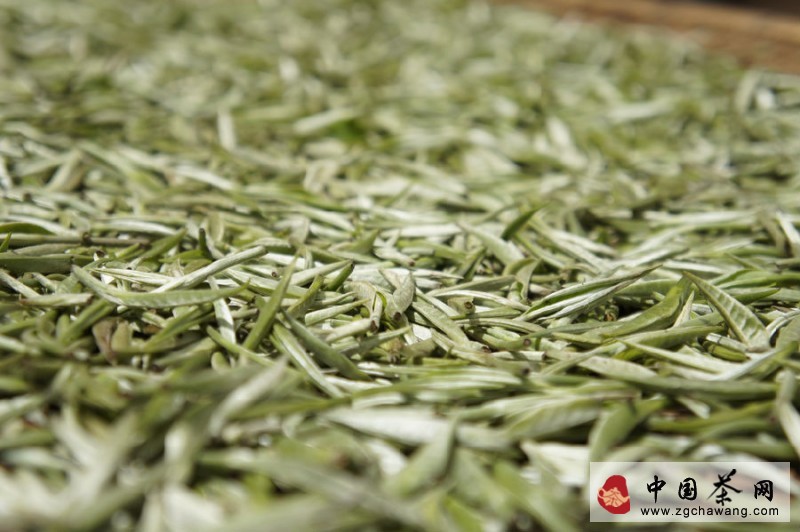
Fifth, from a biological evolution perspective, different species have characteristics of mutual exclusion. And the more advanced the organism, the more pronounced this is. For example, in humans, even organ transplants between non-identical individuals have strong rejection. Plants, over hundreds of millions of years of evolution, also have self-protection instincts and reject foreign bodies. This is one basis for plant classification. Plants of different families and genera are difficult to crossbreed. Certainly, parasitic plants exist in this world, but at the cost of harming the host's interests or life. Symbiosis generally involves fungi, which can provide nitrogenous nutrients to plants. I have never seen any scientific research stating that the intertwined roots of two higher plants are beneficial for growth or even exchange nutrients and potency. In summary, it is possible to taste teas with various aromas, but they are not directly related to camphor trees or other plants.